
Top 10 Benefits of Fire Resistant Polyurethane for Buyers?

Fire Resistant Polyurethane is gaining attention in various industries for its exceptional performance. According to a recent report by MarketsandMarkets, the global fire-resistant materials market is expected to reach $53.2 billion by 2025, driven by advancements in technology and increasing safety regulations. This growing demand highlights the critical nature of innovative materials like Fire Resistant Polyurethane.

One major advantage includes its ability to withstand high temperatures without compromising structural integrity. This material is essential in sectors like construction and automotive. Additionally, its lightweight characteristics enhance fuel efficiency in vehicles, while its durability extends lifespan in construction applications. Despite these benefits, buyers should remain cautious and consider manufacturers' certifications and industry standards.

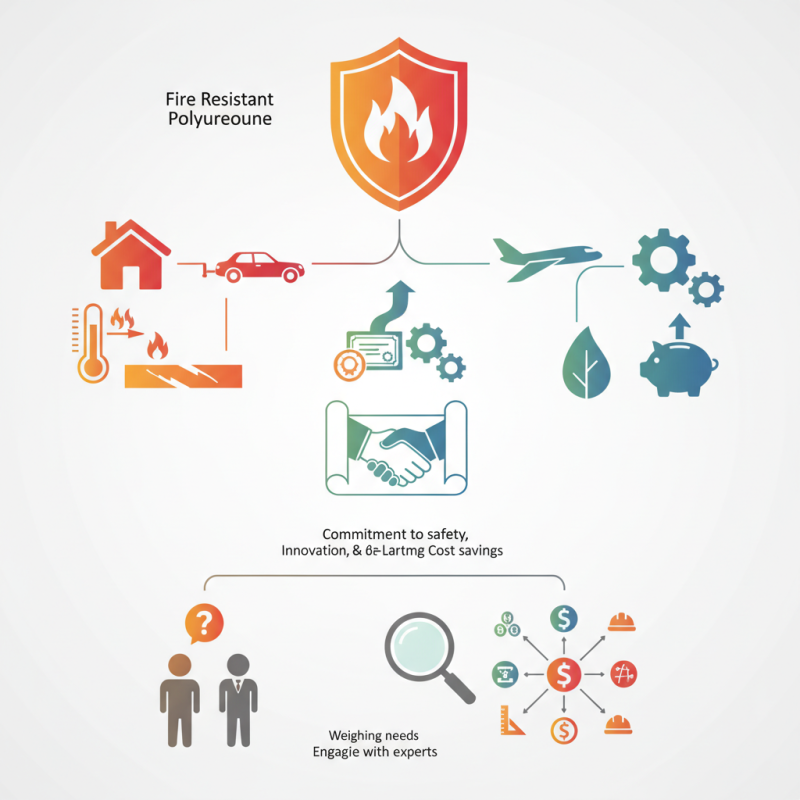
Ultimately, investing in Fire Resistant Polyurethane is not just about compliance. It represents a commitment to safety, innovation, and long-term cost savings. Buyers must weigh these benefits against their specific needs and expectations. Engaging with experts can help navigate these complex choices, ensuring a reliable solution that aligns with both safety standards and budget constraints.
Top 10 Benefits of Fire Resistant Polyurethane for Buyers?

Key Characteristics of Fire Resistant Polyurethane

Fire resistant polyurethane (FRPU) is gaining traction in various industries due to its crucial characteristics. This material can withstand high temperatures, reducing fire risk. Reports indicate that FRPU can maintain integrity even at temperatures reaching 200°C. This is essential for applications in construction, automotive, and aerospace sectors.

In addition to heat resistance, FRPU exhibits excellent chemical stability. It does not easily degrade in harsh environments, ensuring longevity. This durability translates to reduced maintenance costs over time. Buyers can expect products made from FRPU to have a longer lifespan. However, some manufacturers may not fully test fire resistance, leading to inconsistencies in performance.

Tips: Always request compliance certifications when considering FRPU products. This ensures they meet the necessary fire safety standards. Also, consider the end-use application of FRPU. Some formulations may perform better in specific environments.

Another key characteristic of FRPU is its lightweight nature. This can enhance energy efficiency in various applications, especially in transportation. However, while FRPU provides benefits, not all variations are created equal. It’s essential to consult experts for guidance on the most suitable type for your needs.

Top 10 Benefits of Fire Resistant Polyurethane for Buyers

Benefit Description Applications
Fire Resistance Retards flames and reduces fire hazards, enhancing safety. Building materials, insulation, automotive components.
Thermal Insulation Offers exceptional thermal resistance, minimizing heat transfer. HVAC, walls, roofs, and industrial applications.
Durability Highly durable with resistance to wear and tear over time. Construction, furniture, and outdoor applications.
Sound Insulation Effective at dampening sound, improving acoustic performance. Residential and commercial buildings.
Lightweight Reduces the overall weight of applications without compromising quality. Automotive, aerospace, and portable equipment.
Chemical Resistance Resistant to a variety of chemicals, maintaining integrity in harsh environments. Industrial applications, flooring, and coatings.
Versatility Can be used in various forms including foams, coatings, and rigid panels. Substitute in many construction and manufacturing processes.
Eco-Friendly Options Available formulations that are more environmentally friendly. Sustainable building, insulation materials.
Cost-Effectiveness Offers long-term savings through durability and efficiency. Construction, manufacturing, and maintenance applications.

Enhanced Safety Features for Home and Business Use

Fire resistant polyurethane is an innovative material that greatly enhances safety features for homes and businesses. It provides a robust barrier against flames and heat, reducing the risk of fire damage. Many professionals emphasize that its unique chemical properties make it an effective insulation option. This material can withstand higher temperatures, helping to protect structures in case of an emergency.

In addition to its fire-resistant benefits, polyurethane offers added thermal insulation. A properly insulated building can retain heat in winter and stay cooler in summer. This creates a safer environment indoors. However, some may overlook the importance of proper installation. Without expert application, the material might not perform as intended. Understanding this aspect is crucial for maximizing its benefits.

Using fire resistant polyurethane can also yield cost savings over time. Insurance premiums may decrease because the property is less at risk. Creating a secure living or working space is essential for long-term investment. Yet, not all fire-resistant materials perform equally. Researching options can lead to better choices. In an era of increasing fire hazards, prioritizing safety is an investment worth considering.

Cost-Effectiveness Over Traditional Fire Safety Materials

Fire resistant polyurethane offers exceptional cost-effectiveness compared to traditional fire safety materials. These innovative materials not only enhance safety but also reduce long-term expenses. A recent study by the National Fire Protection Association (NFPA) indicates that structures using fire resistant polyurethane can lower fire remodeling costs by up to 25%. This is a game changer for buyers focusing on budget and safety.

Moreover, fire resistant polyurethane is lightweight, simplifying installation procedures. This leads to lower labor costs while maintaining safety standards. According to industry reports, the overall installation time can be reduced by 30%. Additionally, these materials tend to have a longer lifespan than conventional options, further contributing to their cost-effectiveness.

**Tip:** When selecting fire resistant materials, always consider the total cost of ownership. Sometimes, initial savings can lead to higher expenses long-term.

However, it's important to note that not all fire resistant polyurethanes are created equal. Variability in quality can affect performance. Always prioritize products that meet established safety standards and certifications to ensure reliability and effectiveness.

**Tip:** Research and consult with experts to understand the specific requirements for your project. This can help you avoid potential pitfalls and make informed decisions.

Versatility in Applications Across Various Industries

Fire resistant polyurethane is emerging as a pivotal material across multiple industries. Its versatile applications range from construction to automotive and even electronics. According to a recent report from the National Fire Protection Association, fire incidents in buildings contribute to major economic losses each year. The use of fire resistant materials can significantly mitigate these risks.

In construction, fire resistant polyurethane is utilized in insulation materials. Its effectiveness is recognized for providing thermal insulation while reducing fire spread. A study by the International Association of Fire Safety Science highlights that the right insulation can delay fire development by up to 30%. This means better safety for building occupants and reducing property damage. Such properties are essential for meeting stringent building codes.

The automotive industry benefits as well. Vehicle manufacturers are increasingly integrating fire resistant polyurethane for components like seats and interior panels. This enhances safety features and meets regulatory standards for fire resistance. More than 60% of automotive brands are exploring new materials that enhance safety without compromising design. However, the integration process can be challenging. Balancing weight, cost, and fire resistance requires careful consideration and innovation. Each application demands specific adjustments to maximize the material's potential.

Environmental Impact and Sustainability Considerations

Fire resistant polyurethane, recognized for its durability, also plays a crucial role in sustainability. The production process is often energy-intensive, which raises environmental concerns. However, advancements in manufacturing techniques are fostering more eco-friendly alternatives. In fact, reports indicate that the development of low-VOC formulations can reduce harmful emissions by up to 70%. This shift not only helps the atmosphere but also improves indoor air quality.

Recycling options for polyurethane have been expanding, yet challenges remain. Around 80% of polyurethane waste is still not recycled. This statistic emphasizes the need for better solutions in waste management. Some companies are exploring innovative methods to recycle foam, aiming to reintroduce it into the production line. This closed-loop system could decrease the demand for raw materials and lower ecological impact significantly.

Sustainability is not only about reducing waste. It also involves creating products that last longer. Fire resistant polyurethane often exceeds standard lifespan expectations, mitigating the need for frequent replacements. Fewer replacements can lead to lower resource consumption over time. Thus, while fire resistant polyurethane has a complex environmental footprint, ongoing innovations and awareness can guide the industry towards more sustainable practices.

Top 10 Benefits of Fire Resistant Polyurethane

This chart illustrates the top 10 benefits of fire resistant polyurethane based on user ratings. Each benefit is rated out of 10, representing its perceived value in terms of safety, efficiency, and sustainability considerations.