Top 10 Benefits of Plastic Molding for Global Buyers?
Plastic molding has become a cornerstone of modern manufacturing. According to a report by Grand View Research, the global plastic molding market was valued at $67.2 billion in 2022 and is projected to grow at a compound annual growth rate (CAGR) of 5.4% from 2023 to 2030. This growth underscores the method's vital role in various industries, from automotive to consumer goods.
The benefits of plastic molding extend beyond cost-effectiveness. This method enhances design flexibility, allowing for complex shapes and lightweight components. It's worth noting that 3D printing technology, while innovative, often cannot match the mass production efficiency of traditional plastic molding techniques. Manufacturers can produce thousands of identical parts quickly, meeting global demand.
However, plastic molding is not without its challenges. Issues like material waste and energy consumption should prompt companies to assess their sustainability practices. Despite these considerations, the advantages of plastic molding remain compelling, driving both productivity and innovation in product design. Understanding these benefits can help global buyers make informed decisions in their sourcing processes.
Benefits of Plastic Molding: Understanding Cost Efficiency for Buyers
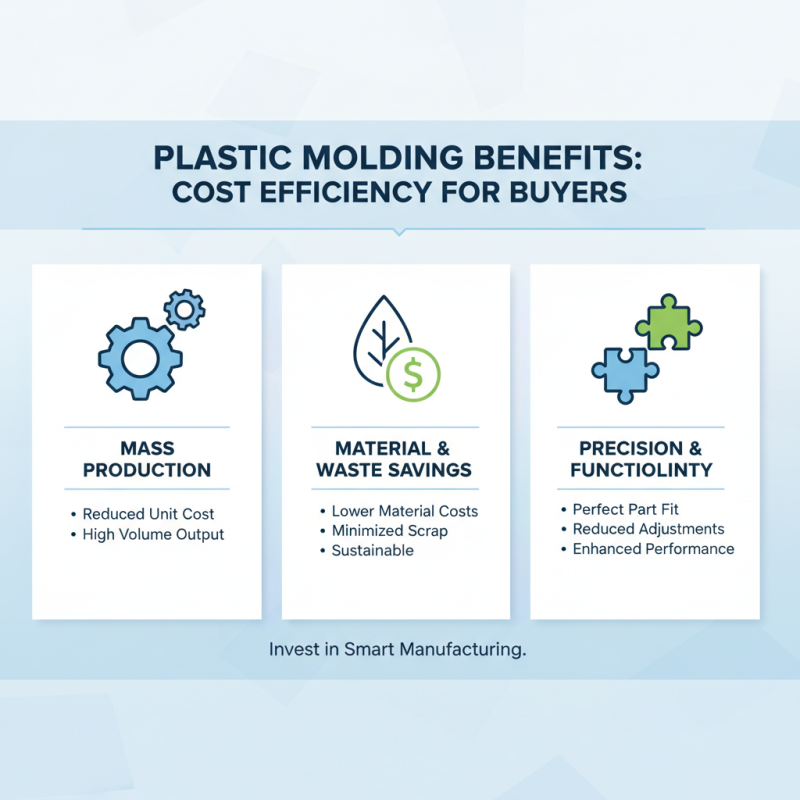
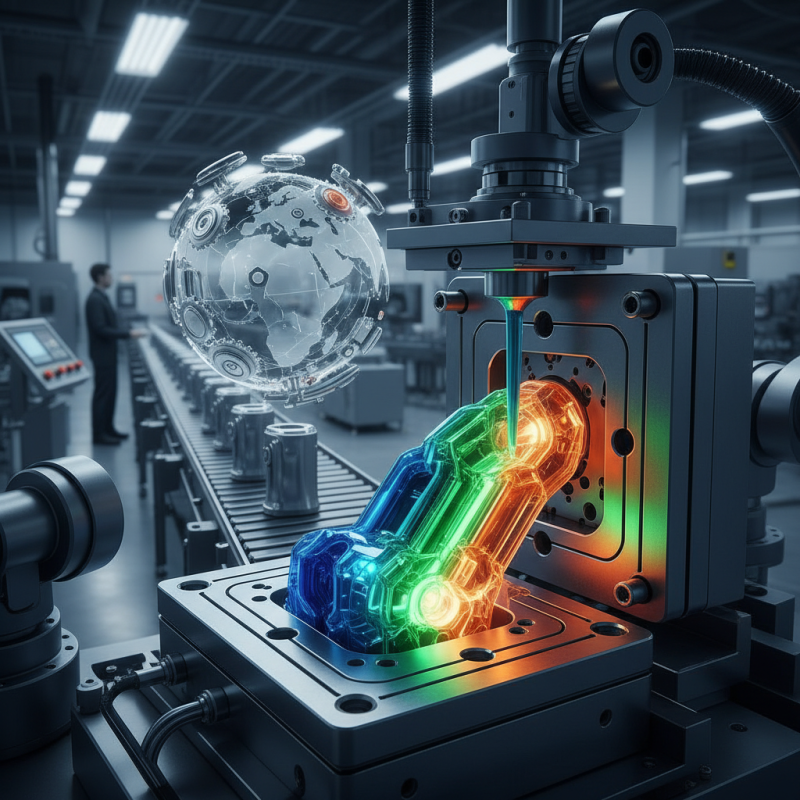
Plastic molding offers significant cost efficiency for buyers in various industries. This method allows for mass production of parts, reducing unit costs. When companies invest in plastic molding, they benefit from lower material costs and minimized waste. The precision of this process ensures that parts fit perfectly, enhancing functionality and reducing the need for costly adjustments.
Another advantage lies in the versatility of plastic materials. They can be molded into various shapes, ensuring design flexibility. Manufacturers can explore different colors, textures, and finishes that meet the specific needs of their projects. However, plastic molding is not a one-size-fits-all solution. It's essential to evaluate the long-term implications of material choices.
Buyers should also consider production timelines. While plastic molding can speed up the manufacturing process, it's crucial to ensure quality and durability. It's easy to overlook the importance of having a well-planned production schedule. Ensuring consistent quality control can also be challenging, especially in high-volume production. These factors are worth reflecting on when considering the overall benefits of plastic molding.
Durability and Versatility: Key Advantages of Plastic Molding Processes
Plastic molding offers significant advantages, particularly regarding durability and versatility. This process allows manufacturers to create complex shapes with a high degree of precision. One industry report by the National Association of Plastics Manufacturers indicates that the global plastic molding market is projected to reach $500 billion by 2025. This growth means more companies are recognizing the benefits of using plastic over traditional materials.
The durability of molded plastics makes them suitable for various applications. For instance, products made from high-density polyethylene (HDPE) can withstand harsh environmental conditions. This resilience enables businesses to reduce replacement costs and increase product lifespan. However, it's crucial to evaluate the type of plastic used. Not all plastics perform equally across diverse scenarios. Continuous improvement in material science is essential.
**Tips:** Always select materials based on specific project needs. Consult industry professionals when in doubt. Understanding the end use will lead to smarter choices. Versatility also allows for customization. Techniques such as injection molding enable intricate designs that can meet aesthetic and functional requirements simultaneously. Still, reliance on such processes can lead to over-engineering. Evaluate whether complex designs are necessary for the application.
Top 10 Benefits of Plastic Molding for Global Buyers
Reducing Waste: The Environmental Benefits of Plastic Molding Techniques
Plastic molding techniques have transformed the manufacturing landscape, offering significant environmental benefits. These processes minimize material waste, with some studies indicating that up to 40% of raw materials can be saved. This reduction is achieved through precision engineering, which allows manufacturers to create parts with minimal excess material. This efficiency not only lowers production costs but also lessens the environmental burden associated with plastic waste.
In addition, modern plastic molding technologies enable the recycling of materials. According to a report by the Environmental Protection Agency (EPA), nearly 30% of plastic waste can be recycled when molded correctly. This figure is encouraging but also raises questions. Are producers truly committed to recycling? Many companies still struggle to integrate recycled plastics into their supply chains. The challenge remains to improve the industry's ability to utilize recycled materials effectively.
Moreover, using eco-friendly materials in plastic molding can lead to more sustainable outcomes. Bioplastics, derived from renewable resources, are one such alternative. They can significantly reduce the carbon footprint of plastic products. Yet, the transition to bioplastics poses challenges for scalability and cost-effectiveness. The industry must navigate these hurdles to achieve meaningful change in environmental impact.
Aesthetic Flexibility: Custom Design Opportunities in Plastic Molding
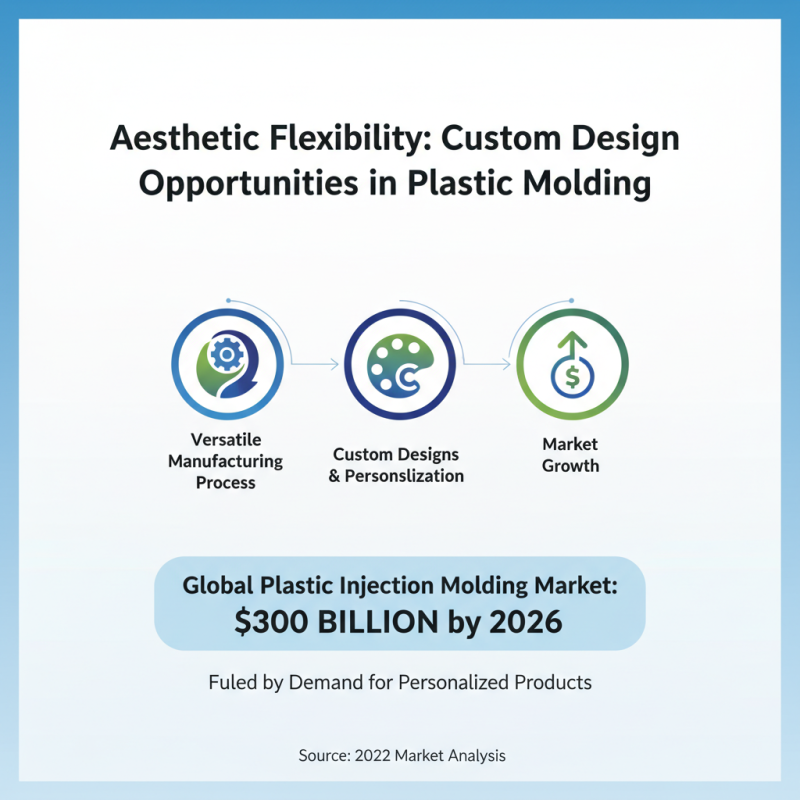
Plastic molding is a versatile manufacturing process that provides numerous design opportunities for global buyers. Its aesthetic flexibility allows for custom designs that fit various consumer demands. According to a 2022 market analysis, the global plastic injection molding market is projected to reach $300 billion by 2026. This growth is fueled by the increasing demand for personalized products.
The technology behind plastic molding supports intricate designs. Manufacturers can create detailed textures, colors, and shapes to meet specific consumer preferences. For instance, foamed plastic molds can add depth and complexity to a product’s appearance. Additionally, reports indicate that over 75% of consumers consider visual design as a key factor in their purchasing decisions. This emphasizes the importance of aesthetic flexibility in product development.
Despite its benefits, challenges remain. Not every design translates well into production. Plastic can be unpredictable in cooling, leading to defects. Moreover, the environmental impact of plastic production raises concerns. Developing a sustainable approach in design and material choice is increasingly vital for manufacturers. Balancing aesthetic appeal with cost and sustainability remains an ongoing challenge in the industry.
Global Accessibility: How Plastic Molding Supports International Trade Dynamics
Plastic molding is a vital process in global trade. It enables manufacturers to create diverse products efficiently. According to a report by Grand View Research, the global plastic molding market was valued at approximately $400 billion in 2022. This growth reflects the increasing demand for durable and lightweight materials in various industries.
Global accessibility benefits from plastic molding's versatility. It caters to numerous sectors, including automotive, consumer goods, and electronics. The International Trade Administration noted that plastics contributed $223 billion to the U.S. economy in 2021. This illustrates how plastic molding supports international commerce by providing essential components that are easily shipped worldwide.
While the advantages are clear, challenges exist. The reliance on fossil fuels for production raises concerns about sustainability. Additionally, the complexity of supply chains can lead to delays. These issues highlight the need for innovation in the industry. Moving forward, sustainable practices and efficient logistics will be crucial for enhancing the positive impact of plastic molding on global trade dynamics.