What are the Benefits of Using Nylon Insulated Terminals?
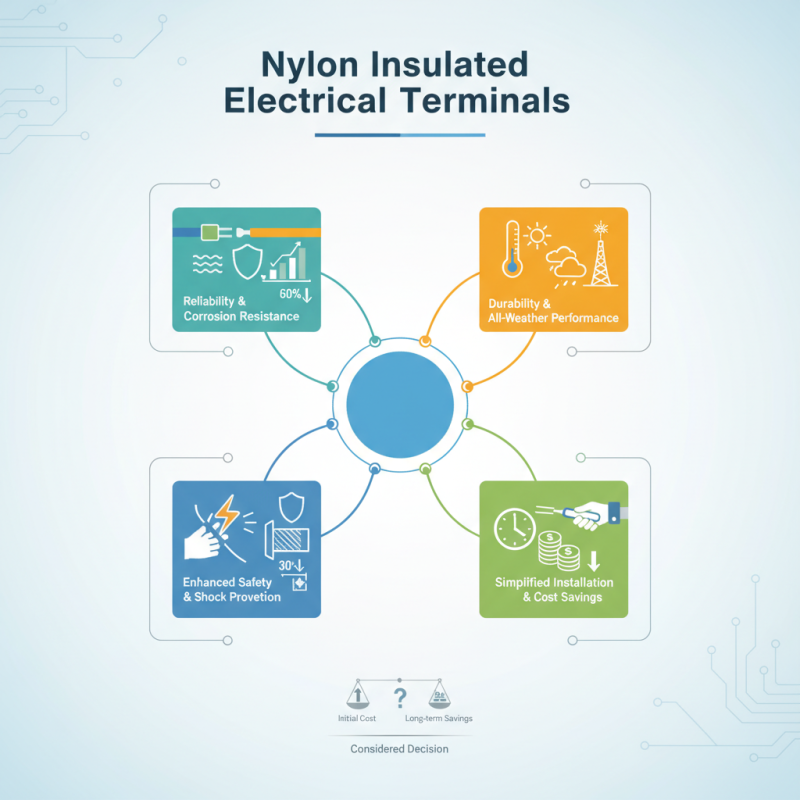
Nylon Insulated Terminals have gained popularity in various industries for their unique advantages. According to a report by the National Electrical Manufacturers Association (NEMA), these terminals enhance electrical connections’ reliability by reducing the risk of corrosion and wear. In fact, over 60% of electrical failures are attributed to poor connections. The durability offered by Nylon Insulated Terminals makes them suitable for both indoor and outdoor applications. Researchers have found that these terminals can withstand harsh environments, maintaining performance under extreme temperatures.
Safety is another significant benefit. Nylon is a strong insulator, and it prevents the risk of electrical shock. The Electrical Safety Foundation International (ESFI) states that proper insulation can lower accidents by 30%. Moreover, using Nylon Insulated Terminals can simplify installation. They are easy to use and often require fewer tools, saving time and reducing labor costs. However, while their advantages are clear, one must reflect on potential drawbacks. For example, improper installation can still lead to failures. Additionally, the initial cost might be higher than alternatives, although the long-term savings are substantial. Thus, the decision to use Nylon Insulated Terminals should be well-considered.
Benefits of Nylon Insulated Terminals in Electrical Applications
Nylon insulated terminals play a crucial role in enhancing electrical applications. Their durability is noteworthy. According to a report by the Institute of Electrical and Electronics Engineers (IEEE), nylon insulation can withstand temperatures ranging from -40°C to 105°C. This wide range is essential for various environments. From home wiring to automotive circuits, the flexibility of nylon is critical.
Another significant benefit is their resistance to moisture and chemicals. Moisture ingress can lead to corrosion, reducing connection reliability. The Nylon insulating material prevents this issue effectively. A study by the National Electrical Contractors Association (NECA) showed that moisture-related failures drop by over 30% with nylon insulated terminals compared to bare terminals.
However, it's not all perfect. While nylon terminals provide excellent insulation, they can be prone to mechanical stress. Over-tightening can damage the insulation, leading to potential failures. Therefore, proper installation is paramount. Users must be aware of the torque specifications to prevent compromises. Investing in good quality terminals can mitigate these concerns, as highlighted in various industry reports.
Benefits of Using Nylon Insulated Terminals in Electrical Applications
Enhanced Durability and Resistance to Environmental Factors
Nylon insulated terminals offer exceptional durability. They resist many environmental factors, including moisture and extreme temperatures. This resistance extends the lifespan of connections in various applications. In industries like automotive and marine, these terminals are invaluable. They maintain a secure electrical connection even in challenging conditions.
Exposure to humidity and chemicals can degrade other materials. Nylon, however, retains its integrity. It does not become brittle or corrode easily. This quality makes it a reliable choice for long-term use. Yet, we must acknowledge that not all nylon is created equal. Some types may wear out under specific stresses, requiring careful selection.
In addition to the practical benefits, nylon insulated terminals simplify installation. They reduce the risk of shorts and promote safer connections. However, improper handling or installation can still lead to failures. It’s crucial to follow best practices when using these terminals. Regular inspections can help identify issues early, ensuring continued reliability.
Improved Electrical Insulation and Safety Features
Nylon insulated terminals provide excellent electrical insulation. This insulation helps prevent shorts and reduces the risk of electrical fires. With nylon, the terminals withstand heat better than plastic. This feature is crucial in high-temperature environments.
The design of these terminals enhances safety. They grip the wire tightly, minimizing the chance of accidental disconnection. This can be important in automotive applications. A loose connection might lead to system failures, which can be dangerous. The robustness of nylon also means fewer replacements, thus saving costs in the long run.
Not all nylon terminals are created equal. Some might have poor insulation during manufacturing. Users should check for quality certifications. It’s essential to choose reliable sources for these products. The safety benefits are clear, but diligence in selection is needed for optimal results.
Ease of Installation and Reduced Maintenance Requirements
Nylon insulated terminals offer significant advantages, particularly in ease of installation. Their design often allows for quicker connections, reducing the time needed for electrical projects. The flexible material adapts well to various wire sizes. This versatility is a game-changer in tight spaces. Installers can focus on efficiency, speeding up the overall process.
Maintenance requirements are notably lower with nylon insulated terminals. These terminals resist corrosion and wear over time. This durability means fewer replacements are needed, saving both time and money. However, it’s worth mentioning that some users may overlook proper installation techniques. Mistakes can lead to issues down the line, highlighting the need for careful practices. Shortcuts should never replace thoroughness. Regular checks are still essential, even with durable materials.
Cost-Effectiveness Compared to Other Terminal Materials
Nylon insulated terminals are gaining popularity in various industries. They are known for their reliability and durability. However, one of the standout features is their cost-effectiveness compared to other materials. A recent industry report highlighted that nylon terminals can reduce installation costs by up to 30%. This is significant for both large-scale manufacturers and small projects.
The initial price of nylon insulated terminals might seem higher than alternatives. Yet, their longevity often offsets this cost. Reports indicate that these terminals can last five times longer than traditional metal ones. This longevity leads to fewer replacements and lower maintenance costs, providing real savings over time. Additionally, they offer enhanced resistance to impact and chemicals, making them viable in harsher environments.
Despite their advantages, some challenges exist. For example, improper installation can lead to performance issues. Users must ensure they are well-informed about best practices. The potential for misuse highlights a learning curve that some may find daunting. However, proper training and resources can help mitigate these concerns, making nylon insulated terminals an excellent investment in the long run.