Bent-axis Motor Tips for Optimal Performance and Efficiency
In the realm of hydraulic technology, the Bent-axis Motor stands out for its unique design and operational capabilities. This motor type offers flexible usage in various applications, maximizing performance and efficiency. However, achieving optimal performance requires careful consideration of several factors.
Understanding the mechanics of a Bent-axis Motor is essential. Its angled design enhances efficiency but also presents challenges. Proper alignment and maintenance are critical. Even minor adjustments can lead to significant performance differences. Failing to address these nuances may result in reduced output or premature wear.
Attention to detail distinguishes successful implementations. Regular inspections and fluid quality can impact motor longevity. Operators must balance speed and torque for ideal results. With all these factors at play, a strategic approach is vital to unlock the full potential of the Bent-axis Motor. Embracing these tips can lead to improved reliability and performance in applications ranging from manufacturing to renewable energy.
Understanding the Basics of Bent-Axis Motors
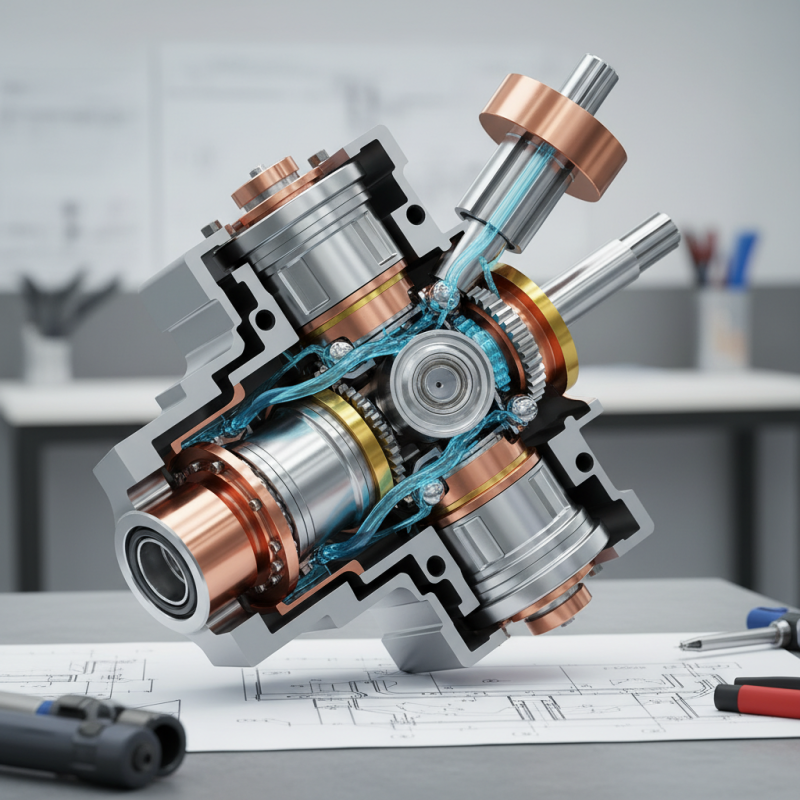
Bent-axis motors are essential in various applications, such as machinery and automotive systems. These motors operate on a unique design that allows for efficient power transmission and compactness. Understanding their mechanics helps in optimizing performance, leading to better energy savings.
The bent-axis configuration creates a direct connection between the rotor and the drive shaft. This design contributes to increased torque and higher operational efficiency. However, achieving the ideal balance between power output and size is tricky. Too much focus on power density may lead to overheating issues. It’s crucial to monitor temperature closely during operation.
Another aspect to consider is the installation and alignment. Misalignment can lead to excessive wear and tear. Precision is key. Regular maintenance checks are often overlooked, but they can prevent significant failures. Users often underestimate the importance of routine inspections, which can save time and costs in the long run.
Key Factors Influencing Bent-Axis Motor Performance
When exploring bent-axis motors, several key factors significantly influence their performance. One crucial aspect is the design of the motor's geometry. Proper alignment of the components ensures efficient power transfer and minimizes energy losses. According to industry reports, improper alignment can lead to a drop in efficiency by 10-15%. This loss can be critical in high-demand operations, where every percentage of efficiency counts.
Another important factor is the quality of the materials used in construction. High-grade materials significantly enhance durability and performance. Reports indicate that using superior materials can improve overall motor lifespan by up to 20%. In contrast, subpar materials can lead to premature failures, necessitating costly repairs or replacements. This point reflects a common oversight in motor design, where cost-cutting can yield longer-term inefficiencies.
Operating conditions also play a vital role. High temperatures or extreme environmental factors can lead to performance degradation. Industry data suggest that operating outside recommended temperature ranges can reduce efficiency by as much as 25%. Even with the right design and materials, external conditions can impede optimal function. A thorough understanding of these variables is necessary for achieving peak performance in bent-axis motors.
Maintenance Tips for Enhancing Motor Efficiency
Maintenance is crucial for enhancing the efficiency of bent-axis motors. Regular checks can prevent issues that lead to inefficiencies. Start by monitoring fluid levels and cleanliness. Contaminated fluid can hinder performance. Ensure that the hydraulic fluid is replaced as needed. This simple task can have a big impact.
Additionally, inspect the seals for wear and tear. Worn seals can introduce leaks, leading to energy loss. Check for unusual noises during operation. Strange sounds may indicate underlying problems. Addressing these issues early can save time and money in the long run.
Remember, environment matters. Dust and debris can accumulate around the motor. Keep the area clean for optimal airflow. A tidy work environment contributes to overall performance. Regular maintenance isn't just best practice; it’s vital for longevity and efficiency. Neglecting these tasks can lead to increased wear and unexpected repairs.
Common Issues and Troubleshooting in Bent-Axis Motors
Bent-axis motors operate efficiently but can face common issues. One common problem is leakage from the seals. This can lead to decreased performance and increased wear. Inspect seals regularly for any signs of damage or wear. It’s vital to replace them promptly to avoid further complications.
Another issue is a decrease in power output. This could stem from improper alignment or malfunctioning components. Check the motor's alignment to ensure it is within the specified limits. Even minor misalignments can lead to significant performance issues. Additionally, listen for unusual noises, which may indicate a problem. Addressing these concerns early can save time and money.
Overheating can also become a concern. Ensure that the cooling system is functioning properly. Monitor the temperature regularly during operation. Use thermal imaging to identify hot spots. Ignoring these can lead to catastrophic failure. Keeping an eye on these common issues will enhance the efficiency of your bent-axis motor.
Future Trends and Innovations in Bent-Axis Motor Technology
The future of bent-axis motor technology is bright and promising. Advances in materials science are driving innovation. Lighter yet stronger materials can improve efficiency. This leads to better performance in various applications, especially in renewable energy.
One important tip is to regularly maintain your motor. Ensure all components are aligned correctly. Misalignment can dramatically reduce efficiency. Also, consider your operating conditions. Temperature fluctuations affect performance. Monitoring these conditions can prevent unexpected failures.
Emerging trends include the integration of smart sensors. These sensors provide real-time data on motor performance. However, not all industries are ready for such changes. The adoption rate varies significantly. Companies should assess their readiness for these technologies. This ensures they don’t miss out on potential benefits.
Bent-axis Motor Performance Analysis