
Global buyers choosing a Cast Iron Butterfly Valve need more than a competitive quotation. They must compare pressure ratings, disc and seat materials, coating systems, end connections, and documented test procedures. A valve that looks robust on a warehouse shelf can still be wrong for corrosive water, frequent cycling, or a tight installation space. Details matter.
Grand View Research estimated the global industrial valves market at USD 77.8 billion in 2023 and projected continued growth through 2030. That broad market figure does not isolate cast iron butterfly valves, so it should not be mistaken for a product-specific forecast. It does show why buyers face a crowded supplier field. A useful shortlist checks manufacturing capability, traceable material records, export experience, spare-part access, and clarity around lead times. Fit comes first.
This guide compares seven suppliers for international buyers, with attention to product range, quality evidence, and practical sourcing considerations. No supplier should be selected on catalog claims alone. Request current drawings, applicable test documentation, and written confirmation of the intended service conditions. The source material provided for this introduction contains no verifiable named expert quotation on cast iron butterfly valves. Rather than invent a quotation or attribute one without evidence, it is better to add a direct expert statement only after confirming its original source.
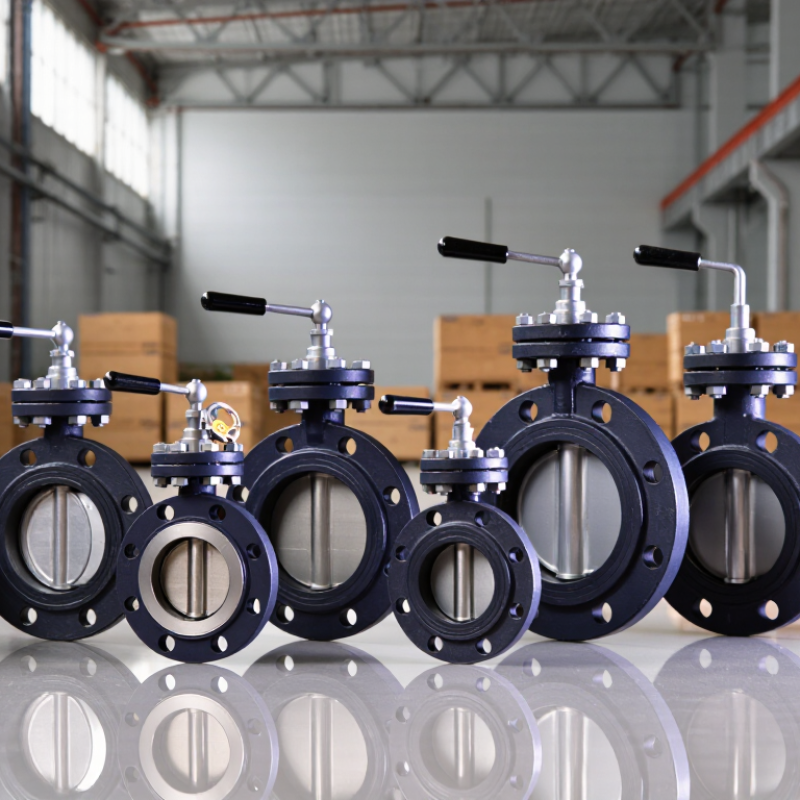
Cast iron butterfly valves use a rotating disc to open, throttle, or shut off flow. A quarter-turn moves the disc across the pipe, making these valves compact and quick to operate. They are common in water and HVAC systems, where large pipe sizes and frequent operation matter. The cast iron body provides a rigid housing, but the disc, stem, and seat materials also affect performance. Not every combination suits every fluid.
The U.S. Geological Survey’s 2018 national water-use assessment estimated that withdrawals in the United States reached about 322 billion gallons per day in 2015. That figure shows the scale of water infrastructure, not the performance of any particular valve. In service, pressure, temperature, solids, and corrosion can all influence valve life. A valve that looks suitable on paper may still be a poor match for the actual flow conditions.
Tips: Check the pressure and temperature limits, face-to-face dimensions, and seat compatibility before choosing a valve. Confirm whether the disc can obstruct flow when open. Ask for material and test documentation, too. Small details matter. And selection is not always perfect; operating conditions can change, so review the specification against the real system.
For global buyers, supplier evaluation should start with application fit, not a low unit price. Confirm the valve’s pressure rating, temperature range, seat material, and connection dimensions against the actual line data. A cast iron body may suit many water and HVAC duties, but service conditions vary. Ask whether the supplier can provide material certificates, dimensional drawings, and inspection records for the exact model offered. Check how they test seat leakage and body strength, and request the applicable test standard and acceptance limits. Clear answers matter.
Tips: Request a sample document pack before placing an order. Compare the nameplate, drawing, and quotation line by line. Ask about production lead time, spare-part availability, packaging, and export experience to your destination. Small mismatches can delay installation.
Also assess communication and quality consistency. Ask who handles technical questions, how design changes are approved, and what happens when an inspection finds a defect. A factory visit or independent pre-shipment inspection can add confidence, especially for large or repeat orders. Verify that packaging protects flange faces and the lever or gearbox during long transit. References from buyers with similar flow media and operating cycles are more useful than general testimonials. Still, paperwork is not the same as field performance. A supplier may look strong on paper and miss a detail. Keep a written record of agreed specifications and unresolved questions before approval.
For global buyers, “leading” should describe measurable capability, not a glossy catalogue. A useful shortlist can include foundry-integrated manufacturers, waterworks specialists, HVAC suppliers, project-focused valve makers, OEM producers, regional exporters, and engineering-led distributors. Each serves different needs. Details matter.
Compare suppliers against the same duty conditions: fluid, operating pressure, temperature, pipe size, and installation environment. Ask for drawings, material specifications, pressure-test records, and traceable inspection documents. Check whether the body is cast iron or ductile iron; the distinction can affect strength and suitability. Confirm disc, shaft, seat, and coating materials too. A valve for treated water may not suit a corrosive process. Ask for evidence.
Experienced suppliers will clarify limits instead of promising universal compatibility. They should explain face-to-face dimensions, flange standards, actuator options, and spare-part availability. For overseas orders, verify packaging, lead times, export documentation, and how technical questions are handled across time zones. References from similar applications can help, but they are not a substitute for current test records.
Price still matters, of course. Yet the cheapest quotation may omit testing, suitable lining, or clear documentation. I would compare landed cost and service support, then challenge any vague specification. Even a careful shortlist has gaps; one supplier may look excellent on paper and still communicate poorly during a real project.
Comparing cast iron butterfly valve suppliers requires more than checking catalog prices. Ask each supplier for the valve’s pressure rating, temperature range, and compatible media. A wafer body may suit a compact water line, while a lug body can simplify maintenance on some installations. Check disc material and seat options, too. EPDM often serves water applications; NBR may fit certain oil services. Confirm suitability against actual operating conditions.
Certifications need careful reading. ISO 9001 describes quality management, not proof that every valve meets a particular design standard. Request applicable design or test documentation, such as records referencing EN 593 or API 609, and verify the documents cover the model offered. Ask for material traceability and pressure-test reports. Paperwork matters.
Service can distinguish otherwise similar suppliers. Compare response times, spare-seat availability, drawing support, and stated production lead times. For a replacement order, check face-to-face dimensions before approving the purchase; a small mismatch can delay installation. Ask how defects are handled and who pays for return shipping. One weakness in many comparisons: published data may omit test conditions. Request written clarification, even if it slows the quote.
A reliable shortlist starts with a clear duty profile. Record the line size, pressure rating, media, temperature, connection type, and operating frequency before requesting quotations. These details help suppliers recommend a suitable cast iron body, disc, seat, and shaft arrangement. A low price means little if the valve does not fit the service conditions.
Ask each supplier for current drawings, material specifications, pressure-test records, and a sample inspection plan. Check that documents identify the offered model and match the quotation; generic certificates are not enough. For a practical check, compare flange dimensions and face-to-face measurements against your project drawings. Request traceability details for the body and other pressure-retaining parts. If evidence is incomplete, ask for clarification in writing. Do not assume.
Then assess production capability and communication. Ask how suppliers control casting defects, machining tolerances, coating thickness, and final assembly. A video call or factory visit can help confirm equipment and inspection routines, but it cannot replace records. Request references for comparable valve sizes or applications, and verify delivery capacity with a realistic production schedule. Compare warranty terms, spare-part availability, packaging, and after-sales response alongside price. Some suppliers may be strong technically but slow to answer; that is worth weighing, not ignoring. Shortlist only those able to explain their limits as clearly as their strengths.
A practical comparison framework, not a ranking of named companies. Supplier categories below are starting points; verify each supplier’s actual capabilities and documentation.
| Supplier type to shortlist | Potential fit | Evidence to request | Standards to check for relevance | Key verification question |
|---|---|---|---|---|
| Waterworks-focused manufacturer | Water distribution and treatment applications where the specified valve design and pressure rating are suitable. | Material certificates, pressure-test records, dimensional drawings, and documentation for any required potable-water approvals. | AWWA C504 may be relevant to rubber-seated butterfly valves for waterworks; confirm scope and project requirements. | Does the offered design, size range, pressure class, and approval status match the project specification? |
| Industrial-valve manufacturer | General industrial service when the body material, disc, seat, and operating limits suit the medium and conditions. | Product data sheets, pressure-temperature limits, construction details, inspection plans, and test reports traceable to the order. | EN 593 or API 609 may apply to industrial butterfly valves; confirm the required design category and edition. | Are the stated service limits supported by documentation for the exact valve configuration? |
| Export-oriented manufacturer | International projects requiring export packing, shipping documentation, and coordination across time zones. | Recent export references that can be checked, packing specifications, document samples, and a written delivery schedule. | Use the project’s specified design, testing, and marking standards; export capability alone does not establish compliance. | Can the supplier provide verifiable records for comparable shipments and the required destination-market documents? |
| OEM or private-label producer | Buyers needing controlled product specifications, repeat orders, or production under an agreed private label. | Approved drawings, change-control procedures, sample inspection results, and written confirmation of manufacturing responsibility. | Check the standards specified in the purchase documents and verify that test records identify the supplied model and configuration. | Who controls design changes, production quality, traceability, and warranty obligations? |
| Regional stockist or distributor | Urgent replacement needs, local inventory, and access to nearby technical or after-sales support. | Proof of authorized supply where applicable, current stock confirmation, product traceability, and warranty terms. | Confirm that the stocked valve’s design, face-to-face dimensions, materials, and tests meet the project specification. | Can the distributor trace the offered item to its manufacturer and provide the original product documentation? |
| Project and engineering-led supplier | Projects with detailed technical schedules, inspection points, or document-submission requirements. | Completed technical submissions, inspection and test plans, deviation lists, and a named document-control contact. | ISO 5208 or EN 12266-1 may be relevant to valve pressure testing; confirm the specified test and acceptance criteria. | Will the supplier identify and obtain approval for every deviation before manufacture? |
| Replacement and service-oriented supplier | Maintenance or retrofit work where compatibility with existing piping, actuation, and installation dimensions is essential. | Dimensional comparison, shaft and actuator interface details, material options, and written confirmation of interchangeability assumptions. | ISO 5752 or EN 558 may be relevant to face-to-face dimensions; verify the required series and actual dimensions. | Has compatibility been checked against the installed valve and site measurements, rather than inferred from nominal size alone? |
Material checks: EN 1561 covers grey cast iron, EN 1563 covers spheroidal graphite cast iron, ASTM A126 covers grey iron castings for valves, and ASTM A536 covers ductile iron castings. Confirm the exact grade required and request traceable material documentation. Standards’ applicability depends on valve design, service, jurisdiction, and contract specification.