10 Best Rubber Injection Molding Techniques for Efficient Production?
Rubber injection molding is a pivotal technology in the manufacturing sector. With a projected market growth of 4.9% annually, it’s crucial for efficient production. Industry reports indicate that rubber parts account for about 50% of the total rubber market.
The efficiency of rubber injection molding lies in its ability to produce complex shapes with high precision. This technique minimizes waste compared to traditional methods. However, achieving optimal results requires a deep understanding of material properties and machine settings.
While the advantages are evident, challenges remain. Variations in temperature and pressure can lead to defects. Proper training and calibration are essential for quality assurance. Companies must reflect on their processes to ensure consistency and efficiency in production. Ignoring these aspects may lead to increased costs and reduced competitiveness.
Overview of Rubber Injection Molding: A Key Manufacturing Process
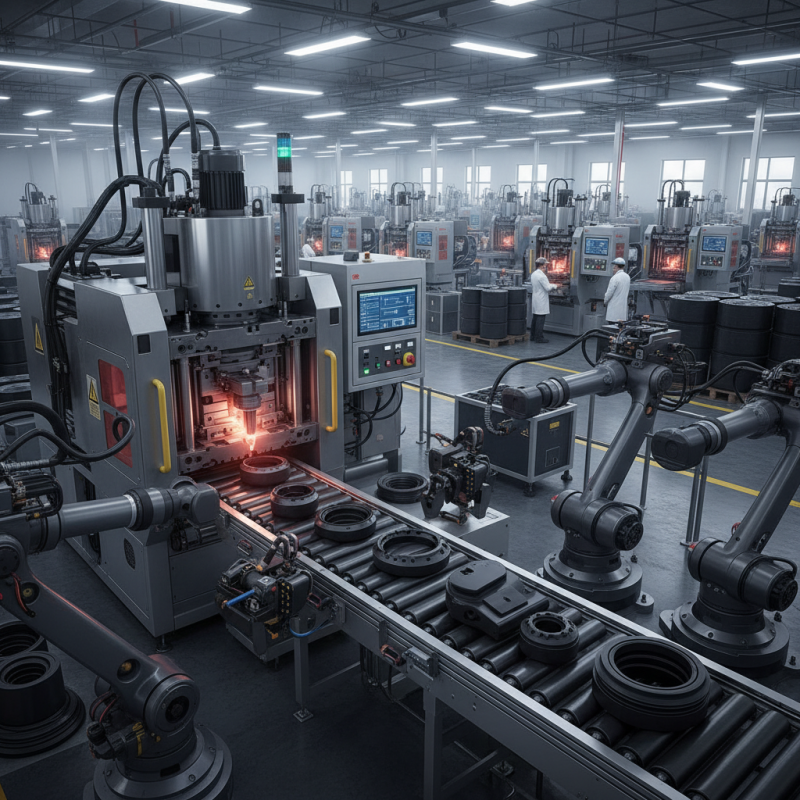
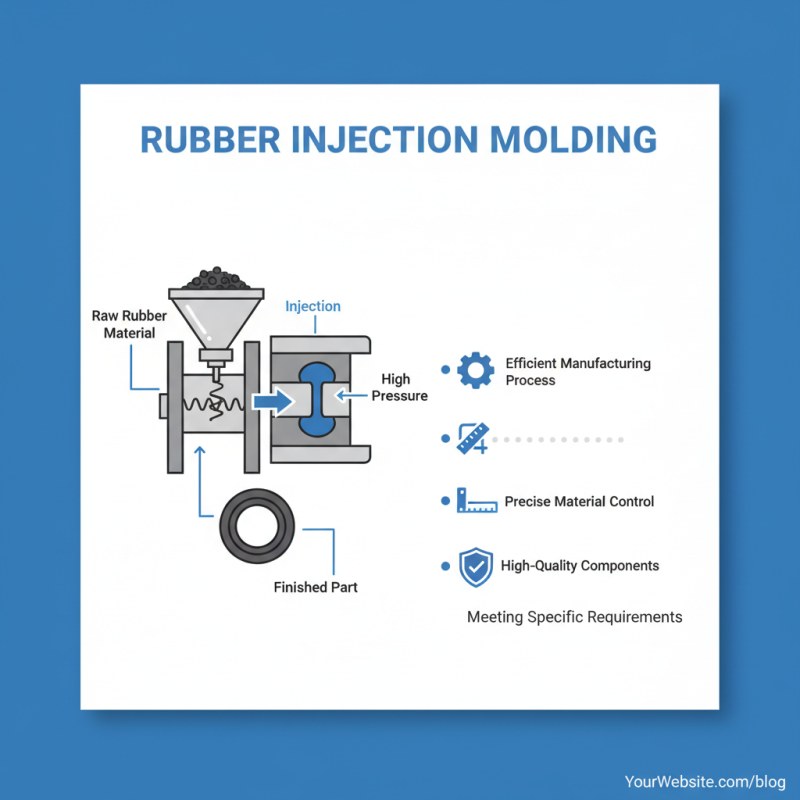
Rubber injection molding is an essential manufacturing process. It creates parts from rubber by injecting it into molds under high pressure. This method is efficient and allows for precise control of material use. The result is high-quality components that meet specific requirements.
For efficient production, consider the temperature of the rubber. Too hot or too cold can affect the final product. Adjusting the temperature can help maintain consistency. Ensure your molds are clean and well-maintained. This can prevent defects and improve production speed. A small oversight here can lead to larger problems later.
Tips: Always monitor the injection speed. A slow speed might lead to incomplete molding, while too fast can create air pockets. Regularly reviewing your process can help identify areas for improvement. Don’t hesitate to adjust your techniques based on observed outcomes. Small changes can make a significant difference in production efficiency.
Key Advantages of Rubber Injection Molding Techniques in Industry
Rubber injection molding techniques offer numerous advantages to industries seeking efficient production methods. One key benefit is the precision these techniques provide. Parts produced through rubber injection molding are often consistent in dimension and quality, which reduces waste. Additionally, this method allows for intricate designs that would be difficult to achieve with older production techniques.
Speed is another major advantage. The cycle time of rubber injection molding is typically shorter than other methods, leading to faster production rates. This is crucial in industries where time to market is a competitive edge. However, there are challenges, such as the initial setup cost. Companies must evaluate whether the long-term savings justify these upfront expenses. Despite this, many businesses find that the efficiency gained can outweigh potential drawbacks.
Moreover, rubber injection molding is versatile, accommodating various rubber compounds. This flexibility is a significant advantage. Nevertheless, not all designs are suited for this method, and sometimes compromises are necessary. Balancing design complexity with production efficiency is an ongoing consideration for many manufacturers.
10 Best Rubber Injection Molding Techniques
This chart illustrates the efficiency of the top 10 rubber injection molding techniques based on production speed and product quality. The techniques are scored in terms of their effectiveness for industrial applications.
Comparative Analysis of Injection Molding Methods: Efficiency and Quality
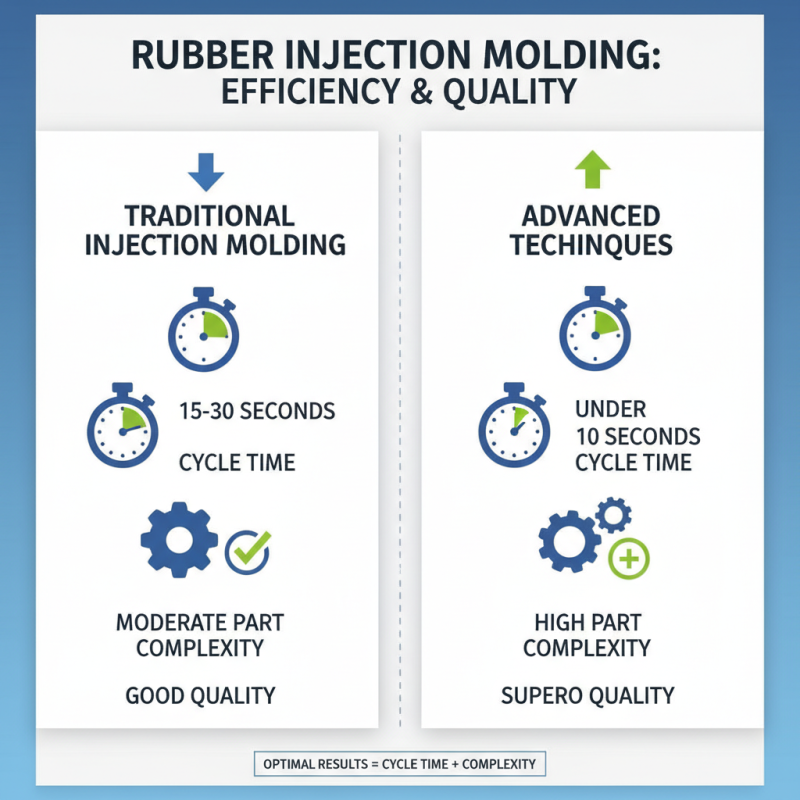
The efficiency and quality of rubber injection molding vary significantly across techniques. Each method has its strengths and weaknesses. According to industry reports, achieving optimal results depends on factors like cycle time and part complexity. For example, traditional injection molding has a cycle time of 15-30 seconds, while more advanced techniques can reduce this to under 10 seconds.
A comparative analysis revealed that techniques like gas-assisted injection molding often enhance product finish. This method reduces defects and improves overall durability. In contrast, the standard method may lead to inconsistencies, especially in intricate designs. Recent studies show that up to 15% of products could fail quality checks due to poor molding choices.
Tip: Choose the right method based on your product's requirements. Evaluate the trade-offs between speed and quality to avoid costly errors. Another critical aspect is mold maintenance. Regular checks can prevent mold degradation, which directly impacts production efficiency. Quality molds are essential for consistent output and minimizing waste.
Innovations in Rubber Injection Molding Technology and Their Impact
In recent years, rubber injection molding has seen significant advancements. Innovations focus on improving energy efficiency and production speed. According to a report from Grand View Research, the rubber injection molding market is projected to reach $6.11 billion by 2025. This growth highlights the importance of technology in enhancing production capabilities.
New techniques, such as multi-material injection molding, allow manufacturers to combine different rubber compounds in a single process. This method increases design flexibility but presents challenges in material compatibility. Studies show that approximately 15% of produced components fail quality tests. These failures indicate room for improvement in process consistency.
Other innovations include automated quality control systems. Such systems can reduce human error and improve production rates. However, integrating these technologies can be costly. A survey by the Society of Plastics Engineers reveals that nearly 30% of companies struggle with the initial investment needed to transition. Reflection is necessary on how to balance innovation with economic practicality.
Best Practices for Optimizing Production in Rubber Injection Molding
Rubber injection molding is essential for many industries. Optimizing production techniques can yield significant benefits. According to a recent report by TechSci Research, the global rubber injection molding market is projected to grow at a CAGR of 4.5% between 2022 and 2026. Effective practices can streamline workflow and reduce waste.
One critical technique involves precise temperature control during the injection process. Studies show that maintaining optimal temperatures can enhance material flow and minimize defects. In some cases, variations in temperature can cause up to a 30% increase in reject rates. Regular monitoring and adjustments are vital. Additionally, integrating real-time data analytics can provide insights that help identify inefficiencies. This continuous feedback loop promotes better decision-making.
Material selection also plays a significant role. Using compatible rubber compounds can improve product quality. However, this comes with challenges. Some materials may not adhere well, leading to bonding failures. Understanding the chemistry behind rubber types is crucial. Nonetheless, there is a need for firms to experiment and learn from trial and error. Evaluating the trade-offs of different materials can lead to long-term gains but also presents risks. Flexibility in adapting to these challenges is necessary for success in this industry.