Best Plastic Mold Maker Tips for Quality and Efficiency?
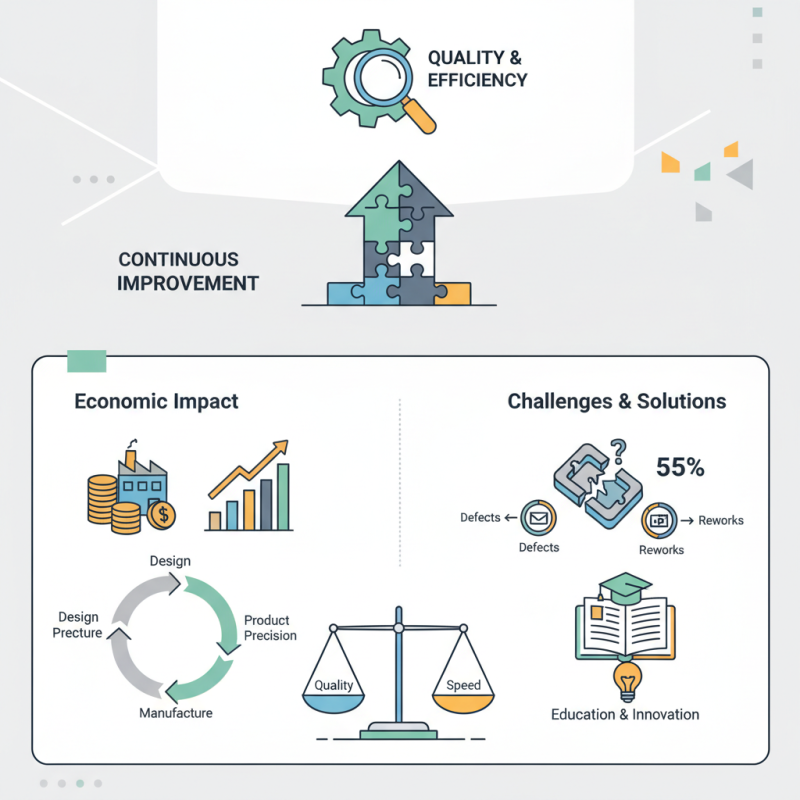
In the competitive landscape of manufacturing, a skilled plastic mold maker plays a critical role. According to recent reports by the Plastics Industry Association, the U.S. plastics industry contributes over $400 billion to the economy. Within this sector, quality molds ensure product precision and efficiency, which are vital for maintaining market competitiveness.
The process of mold making requires not only technical expertise but also innovative approaches. Data from the International Plastics Design and Manufacturing conference highlights that 55% of manufacturers report challenges in achieving optimal mold quality. This reinforces the need for continuous improvement in techniques and materials. A proficient plastic mold maker must embrace these complexities, balancing quality with production speed.
Despite advancements, flaws still emerge. Some mold makers overlook essential details, leading to costly reworks. To mitigate these issues, ongoing education and training are necessary. By reflecting on these challenges, plastic mold makers can enhance their craft, driving better results and sustaining industry growth.
Understanding the Basics of Plastic Mold Making
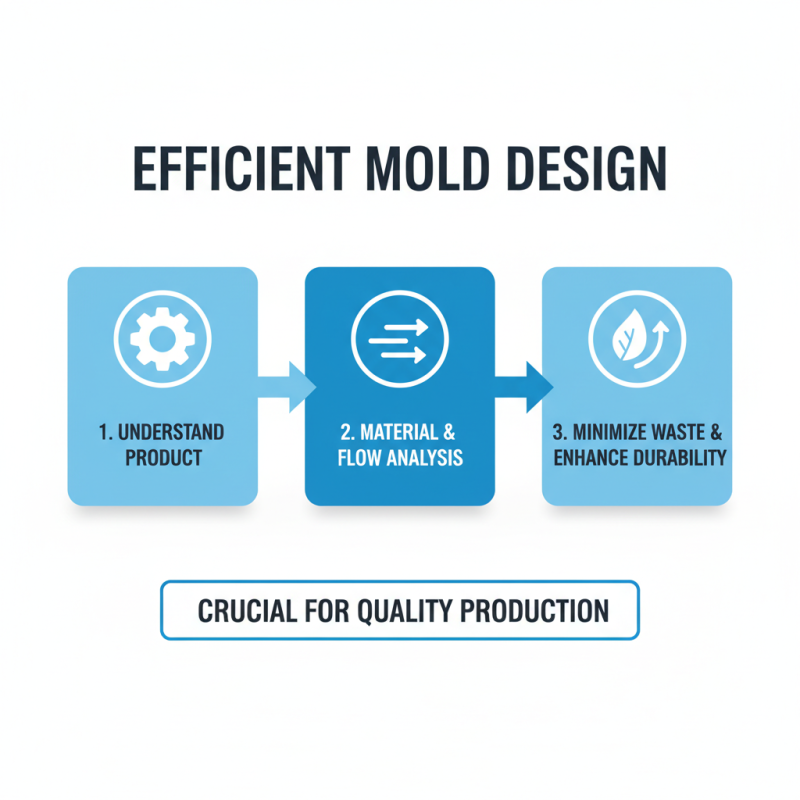
Understanding the basics of plastic mold making is crucial for achieving quality and efficiency. The process begins with designing the mold. A precise design ensures the right features are produced. This stage connects creativity with technical skills. Still, mistakes can happen. Overlooking details can lead to defects in the final product.
Materials used play a significant role too. Different plastics behave uniquely when molded. Knowing their properties helps in selecting the right kind. However, choosing the wrong material can result in failures. Experimentation is part of the learning curve in this industry.
Machine settings affect the molding process as well. Incorrect temperatures or pressures can create issues. Monitoring these settings is vital, yet it can be easy to overlook them during busy production runs. Reflection on past projects often reveals areas for improvement. Learning from mistakes is key to enhancing techniques and ensuring quality outcomes.
Key Materials Used in High-Quality Mold Production
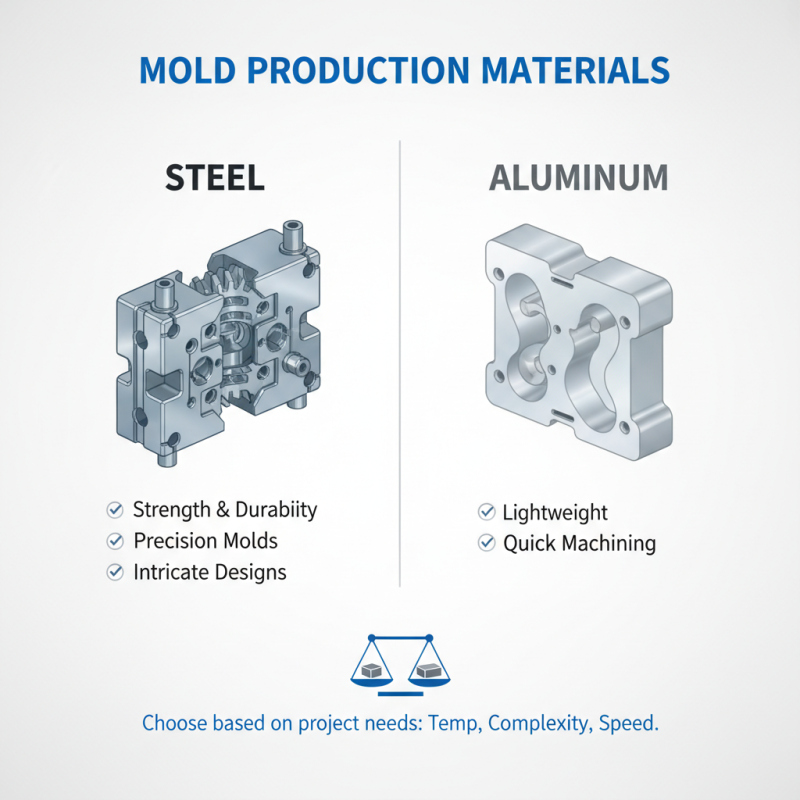
In high-quality mold production, choosing the right materials is essential. Steel is a popular choice due to its strength and durability. It's often used for precision molds that require intricate designs. Aluminum is another option. It is lightweight and offers quick machining time, but it may not withstand high-temperature processes as well. Each material has its pros and cons, and it’s vital to consider the project requirements.
Additives are also important in mold-making. They can enhance the performance of materials. For example, using certain coatings can improve heat resistance and reduce wear. However, balancing cost and quality is a challenge. Sometimes, the cheapest option can lead to higher expenses in the long run due to frequent repairs.
Using recycled materials can be tempting for sustainability. While they may offer cost savings, the quality might not match that of virgin materials. There is a risk of defects. It’s essential to evaluate the specifications carefully before making a decision. This approach can lead to a need for revisions and adjustments later. Investing in quality materials often pays off, but it may require careful consideration and planning.
Best Practices for Mold Maintenance and Care
Mold maintenance is critical for quality and efficiency in production. According to industry reports, improper care can lead to a 30% increase in downtime. Regular cleaning keeps molds in optimal condition. Dirt and debris can affect the final product. Simple cleaning routines can prevent costly repairs.
Inspecting molds frequently is essential. Look for wear and tear. A small crack can grow if overlooked. Scheduled maintenance reduces unexpected failures. Studies show that 70% of mold issues arise from neglected care. Keep detailed records of maintenance activities. These logs help identify patterns over time.
Training staff on mold care is often underestimated. Awareness can reduce errors significantly. Use checklists for everyday maintenance tasks. This approach improves consistency. Mistakes can happen, but reflection on processes can lead to better practices. Regular training sessions can bolster knowledge sharing. It creates a culture of quality that benefits everyone.
Best Practices for Mold Maintenance and Care - Efficiency vs Quality
Advanced Techniques to Enhance Mold Efficiency and Longevity
Enhancing mold efficiency and longevity is crucial in today's competitive landscape. According to a study by the Society of Plastics Engineers, about 80% of manufacturing costs can be attributed to inefficiencies in mold design and maintenance. Regular maintenance can be an overlooked aspect. Without it, molds wear out faster, leading to increased downtime. Operators should invest time in routine inspections. This simple practice can prevent costly repairs down the road.
Advanced techniques are changing the game. Using conformal cooling channels, as highlighted in a recent industry report, can reduce cycle times by up to 50%. This innovation allows for better temperature control, which enhances material quality and reduces warping. However, not all mold makers adopt such technologies due to cost concerns. Experimentation is necessary. Embracing new technologies often involves trial and error. Molds can perform differently based on design. Testing prototypes can highlight weaknesses early.
Training staff effectively is essential. A skilled workforce can identify potential issues before they escalate. However, many companies fail to invest in continuous education. This oversight can lead to increased errors and wasted resources. Emphasizing the importance of both technique and training can significantly boost efficiency. Ultimately, focusing on these aspects can yield impressive results, but it requires commitment and a willingness to learn from failures.