
China Best Premium Baseball Cap Supplier for Bulk Orders?
Choosing a China-based supplier for bulk orders requires more than comparing prices. A Premium Baseball Cap must look consistent across samples and production runs. Buyers should examine fabric weight, stitching, crown shape, closure quality, and embroidery detail. Even a small color shift can stand out across hundreds of caps. Ask for a physical sample before approving a large order. Details matter.
Reliable suppliers should explain their manufacturing process clearly. Confirm minimum order quantities, sample fees, production timelines, packaging options, and inspection procedures in writing. Request close-up photos of seams and embroidery, but treat photos as supporting evidence, not proof of production quality. A factory visit or independent inspection may provide stronger reassurance when order size justifies the cost. Not always practical.
For bulk buyers, communication is part of product quality. A supplier should respond clearly to design files, logo placement, sizing, and revision requests. Ask how defects are recorded and handled, and whether replacement terms are stated before payment. Experience with caps can help, but it does not guarantee every order will meet expectations. That deserves a closer look. This guide explores how to assess potential suppliers in China, compare their capabilities, and reduce avoidable sourcing risks. It focuses on practical checks that buyers can use before committing to a production run. No single supplier suits every brand, budget, or launch schedule. Careful questions make the shortlist stronger.
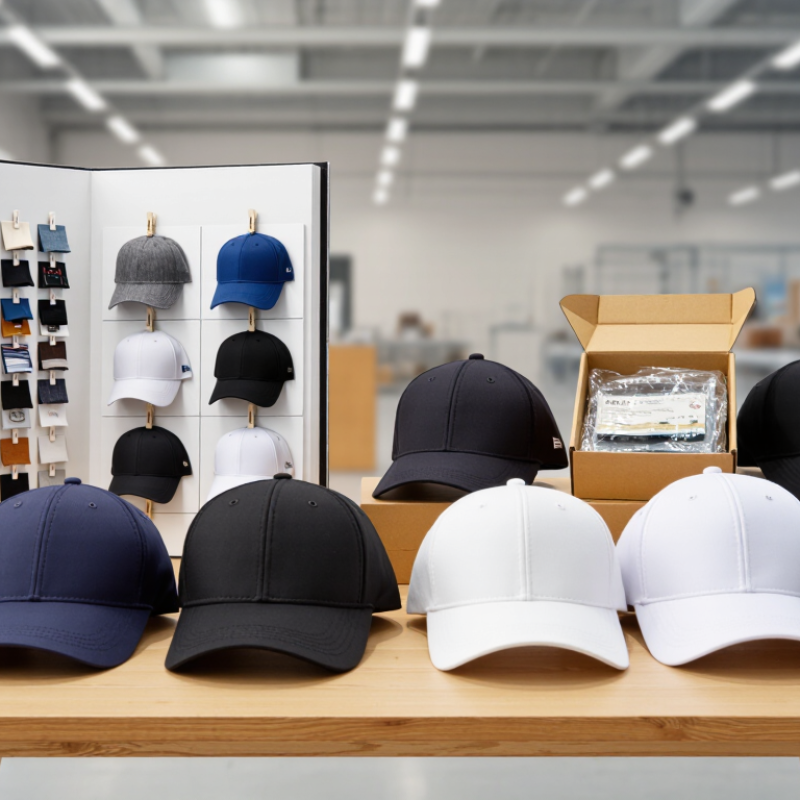
Defining Premium Baseball Caps for Bulk Orders
Defining Premium Baseball Caps for Bulk Orders
A premium baseball cap is more than a heavy crown or a polished product photo. For bulk orders, it means repeatable fit, clean stitching, dependable materials, and consistent color across every carton. The Textile Exchange Materials Market Report 2024 estimates that global fiber production reached 124 million tonnes in 2023, with polyester accounting for 57%. That scale makes clear material specifications important: name the fiber, fabric weight, and finish rather than relying on vague terms like “high quality.” Check panel alignment, sweatband comfort, brim shape, and closure adjustment on samples. Small differences show quickly when a team wears the same cap.
Premium still needs proof. Ask suppliers how they inspect measurements and manage color variation between production batches. Request test results for colorfastness or abrasion where those qualities matter, and confirm the test method and sample conditions. A cap can feel soft in hand yet lose shape after repeated wear. That is easy to overlook. Set acceptance limits before production, then inspect a sample from the finished bulk run—not only the pre-production sample.
Tips: Specify crown height, brim curve, fabric composition, size tolerance, and logo placement in writing. Approve a physical sample under ordinary lighting, and keep one reference cap for comparison. Don’t assume “premium” means identical from one supplier to another. Define what it means for your order.
China Best Premium Baseball Cap Supplier for Bulk Orders? - Defining Premium Baseball Caps for Bulk Orders
A practical specification guide for evaluating premium baseball caps in bulk production. Specifications are typical options, not universal standards; confirm the final details with an approved sample and written order specification.
| Specification | Typical Premium Options | What to Check Before a Bulk Order |
|---|---|---|
| Shell fabric | Cotton twill, cotton-polyester blends, polyester, or performance fabrics. Fabric weight is commonly specified in GSM or ounces per square yard. | Request the exact fiber composition, fabric weight, weave, color, and finish. Compare the bulk fabric with the approved sample. |
| Panel construction | Six-panel construction is common; five-panel designs are also available. Structured caps use front panels with added support, while unstructured styles have a softer crown. | Confirm panel count, crown height, front-panel structure, seam placement, and whether the silhouette matches the approved sample. |
| Fit and sizing | Adjustable one-size styles and fitted sizes are both available. Adult cap sizing varies by pattern and manufacturer. | Request measurements for head circumference, crown depth, and brim length. Check fit on intended users rather than relying on the “one size” description alone. |
| Closure | Common options include a fabric strap with metal buckle, hook-and-loop strap, snap closure, or fitted construction. | Specify closure material, color, adjustment range, attachment method, and any required hardware finish. |
| Brim and visor | Brims may be pre-curved or flat and typically contain a stiffening insert to maintain shape. | Approve the brim profile, length, curve, edge stitching, and shape retention. Check that caps in the shipment are consistent. |
| Sweatband and interior | A sewn-in sweatband and finished interior seams are common features. Sweatbands can use different fabric blends and constructions. | Check comfort, seam finishing, sweatband attachment, and any care or composition labels required for the destination market. |
| Decoration | Options include embroidery, woven labels, printed artwork, and patches. Embroidery placement and stitch coverage affect appearance and production time. | Approve artwork size, placement, thread colors, stitch file, patch dimensions, and a decorated sample before mass production. |
| Color and consistency | Shell fabric, thread, closures, and trim can be matched to specified color references where available. | Set color approval requirements before production. Check shade consistency across panels, components, and separate production lots. |
| Bulk quality checks | Inspection can cover measurements, sewing, decoration, appearance, closure function, and packing condition. | Agree on inspection criteria, acceptable defect levels, sampling method, and corrective-action process in writing before production. |
| Order planning | Minimum order quantities, sample charges, production schedules, and packing options vary by supplier, materials, and customization. | Obtain a written quotation covering quantity, size and color breakdown, approved sample, production timeline, packaging, shipping terms, and any extra charges. |
Bulk-order tip: Treat “premium” as a set of measurable, approved specifications—not as a label. Keep the final sample, measurement sheet, artwork approval, and quality requirements with the purchase order.