Why Choose a Plastic Extruder for Your Manufacturing Needs?

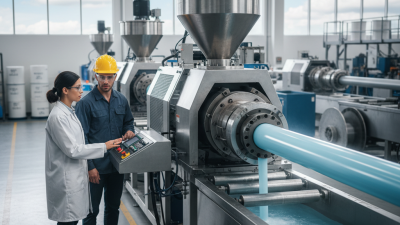
In the world of manufacturing, the choice of equipment is crucial. Experts emphasize the importance of precision and efficiency. Dr. Emily Carter, a leading authority in extrusion technology, once stated, "A reliable plastic extruder can revolutionize production processes." This highlights the significance of selecting the right machinery for your needs.

Plastic extruders offer unique advantages. They allow for continuous production and superior quality. These machines can create complex shapes with minimal waste. However, not every plastic extruder is suitable for every application. Understanding your specific requirements is vital for success.

Investing in a specialized plastic extruder can lead to substantial gains. Yet, businesses must evaluate their long-term needs carefully. It is essential to balance immediate demands with future growth potential. Choosing the right equipment is not just about making a purchase; it’s about strategic planning.
Why Choose a Plastic Extruder for Your Manufacturing Needs?

Benefits of Using Plastic Extruders in Manufacturing Processes

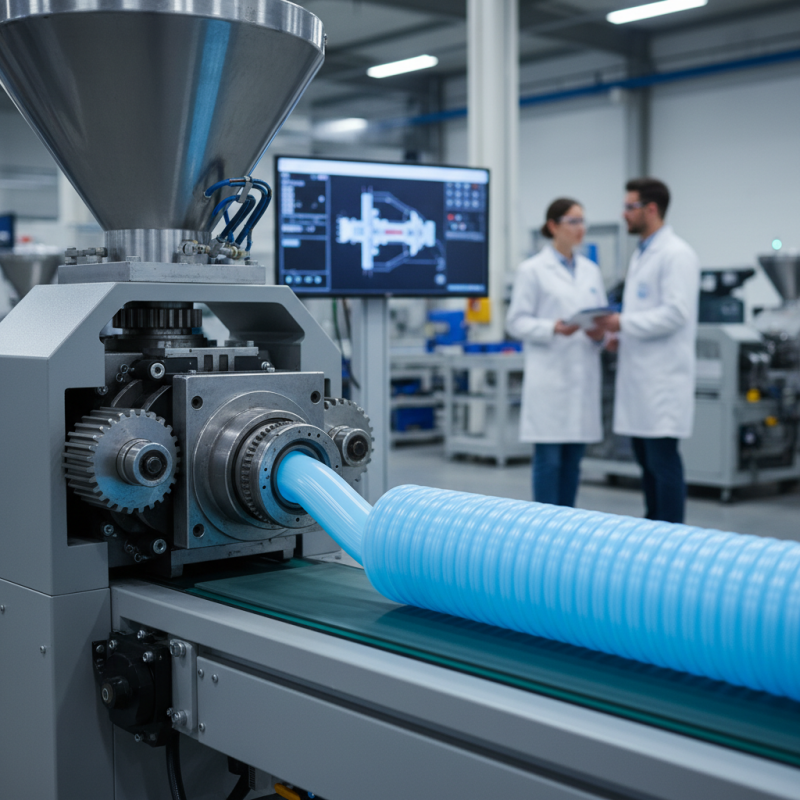
Plastic extruders play a crucial role in modern manufacturing. They provide a streamlined process for creating a wide range of plastic products. One key benefit is their efficiency. They allow for continuous production, which saves both time and labor costs. Additionally, plastic extruders can produce consistent shapes and sizes. This consistency is vital for quality control in manufacturing.

Another advantage is the versatility of materials. Plastic extruders can process various types of plastics, such as PVC, ABS, and more. This flexibility enables manufacturers to adapt to changing market demands quickly. However, choosing the right material for a specific application is essential. Not all plastics offer the same properties, so understanding your needs is vital.

Maintenance is also a consideration when using a plastic extruder. Regular checks and servicing can prolong the equipment's life. Neglecting maintenance may lead to downtime and costly repairs. Manufacturers should train staff adequately to operate and maintain these machines. Building expertise in this area can enhance production efficiency and product quality.
Types of Plastic Extruders and Their Applications

When it comes to selecting a plastic extruder, understanding the different types and their applications is crucial for manufacturers. There are several types of extruders, each designed for specific materials and processes. Single-screw extruders are common for general-purpose applications. They efficiently process thermoplastics into various shapes. This type is often employed in making plastic films, sheets, and pipes.


On the other hand, twin-screw extruders offer versatility for complex materials. Their co-rotating design enhances mixing and compounding. This is especially beneficial in producing specialty polymers and biodegradable materials. The precise control offered by twin-screw extruders results in high-quality finished products. However, they may require more investment, both in equipment and operation.


Many manufacturers now explore the benefits of other types like multi-screw extruders. These systems excel in producing high-reactivity thermoplastics. Yet, they come with a steeper learning curve. Operators must gain experience to harness their full potential.


With so many options available, manufacturers should weigh their needs and resources wisely. Each extruder type has its strengths and limitations. Choosing the right one is essential for efficiency and product quality.

Key Factors to Consider When Selecting a Plastic Extruder

Why Choose a Plastic Extruder for Your Manufacturing Needs?

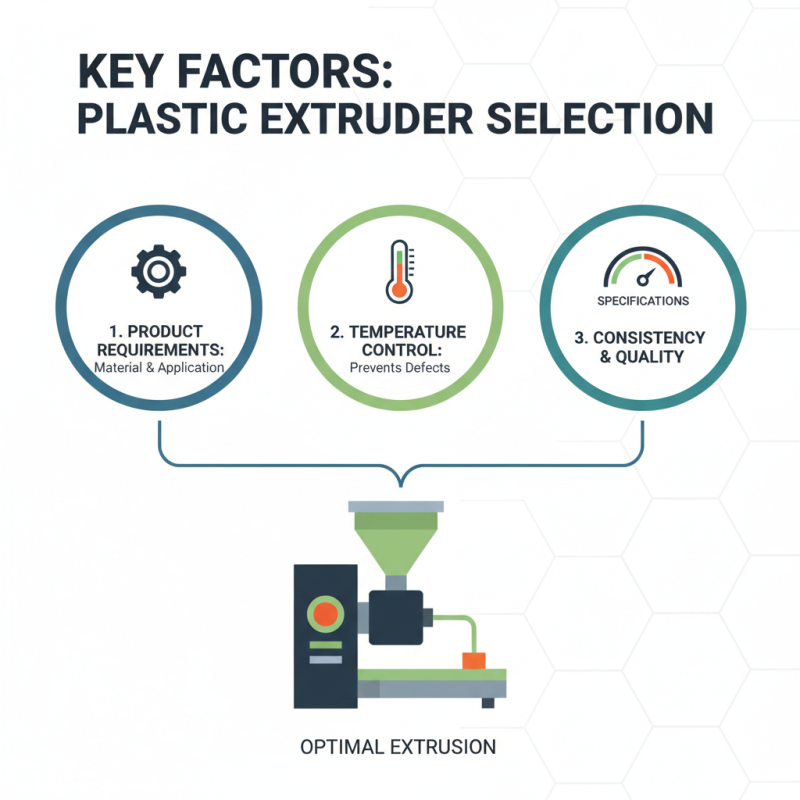
When selecting a plastic extruder, various factors come into play. Understanding your product requirements is crucial. Different applications demand specific extrusion processes. For example, temperature control is vital for some materials. Inadequate temperature settings can lead to product defects. You need to ensure that the extruder can consistently meet the required specifications.

Material compatibility is another significant consideration. Not all extruders work well with every type of plastic. You might find that some machines perform better with certain polymers. Recognize that choosing the wrong extruder can lead to material waste. This can increase production costs and impact efficiency.

Additionally, think about throughput capacity. It directly affects your production rate. An extruder with insufficient capacity can slow down your operations. This might lead to missed deadlines. On the other hand, oversizing can lead to unnecessary energy consumption. Balancing capacity and energy efficiency is essential for sustainable manufacturing. Evaluating these factors thoroughly can guide you toward a more informed decision.

Maintenance and Operational Tips for Plastic Extruders

Why Choose a Plastic Extruder for Your Manufacturing Needs?

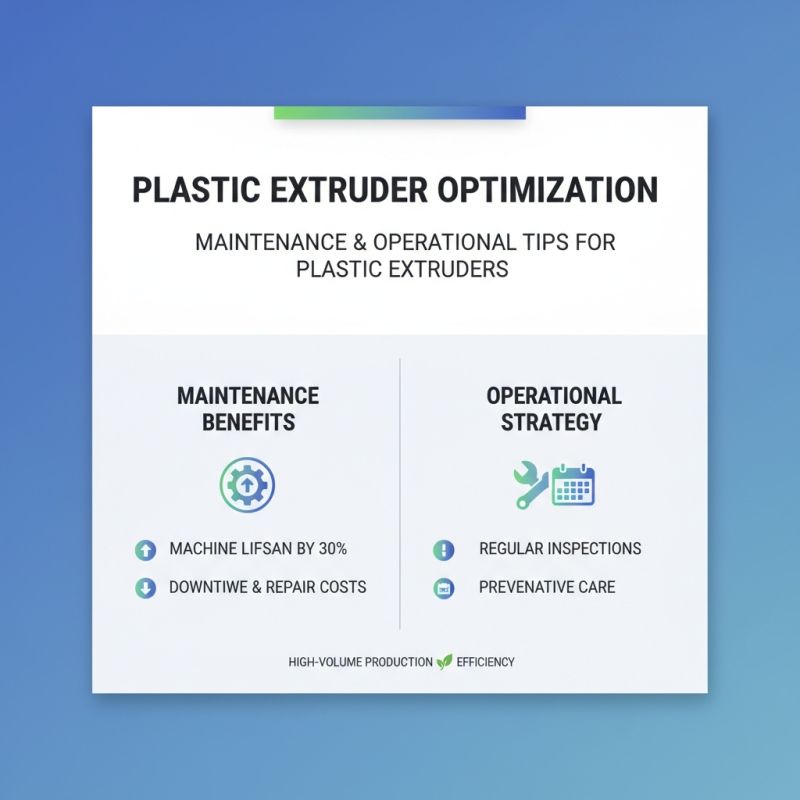
When considering the operational efficiency of plastic extruders, maintenance plays a critical role. The industry standard suggests that regular maintenance can improve a machine's lifespan by up to 30%. This is significant, especially in high-volume production settings. The investment in preventative maintenance can lead to reduced downtimes and lower overall repair costs.

Routine checks should include the alignment of components and inspection of the heating elements. Any misalignments can lead to process inefficiencies. Additionally, manufacturers often overlook the importance of cleaning the screw and barrel periodically. Accumulated material can cause inconsistencies in product quality. Reports indicate that 15% of defective products arise from inadequate cleaning protocols.

Operators should undergo proper training to recognize early signs of wear. Noticing minute changes in machine sounds or output can lead to early detection of issues. Emphasizing a culture of vigilance among staff can reduce unexpected failures. In this competitive environment, manufacturers cannot afford downtime or waste. Regular training sessions can create a knowledgeable workforce that understands the intricacies of the equipment and reinforces best practices in maintenance.

Innovations in Plastic Extrusion Technology and Their Impact on Industry

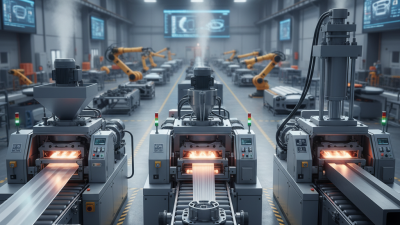
The advancement of plastic extrusion technology has transformed manufacturing processes. Modern extruders are equipped with sophisticated controls and automated systems. These innovations significantly enhance production efficiency and product quality. For example, real-time monitoring allows for immediate adjustments, minimizing waste.

Energy efficiency is another crucial aspect. Newer extrusion lines consume less energy while maintaining high output rates. This change addresses environmental concerns, making plastic manufacturing more sustainable. However, not all companies have adapted to these technologies. Some still rely on outdated methods, facing challenges in efficiency and quality.

Moreover, the materials used in extrusion have evolved. Innovative blends and recycled plastics are now often utilized. This shift offers opportunities to create more sustainable products. Nevertheless, companies must remain vigilant. Balancing costs and quality with these new materials requires careful consideration. The industry must continuously rethink its approaches to leverage these advancements effectively.

Plastic Extrusion Technologies: Adoption Rate by Industry (2023)