How to Choose the Best Nylon Cable Drag Chain for Your Needs?
Choosing the right nylon cable drag chain can significantly impact machinery performance. In the automation industry, efficient cable management is essential. Reports show that improper cable handling can lead to a 30% increase in maintenance costs. Nylon cable drag chains offer durability and flexibility, making them popular for various applications. Their lightweight nature allows for quick installation and lower energy consumption.
It's crucial to understand your specific needs when selecting a nylon cable drag chain. Factors like load capacity, speed, and environment play vital roles. Industry standards suggest that choosing the right material can enhance product lifespan by up to 50%. Moreover, failing to consider these aspects may lead to inefficient operations or equipment failure.
In a world driven by technology, informed decisions are paramount. Exploring the various types of nylon cable drag chains can reveal options that perfectly fit your machinery. Consider current trends and advancements to ensure the best choice. Balancing experience and data-driven insights will lead to more reliable investments in cable management solutions.
Understanding the Basics of Nylon Cable Drag Chains
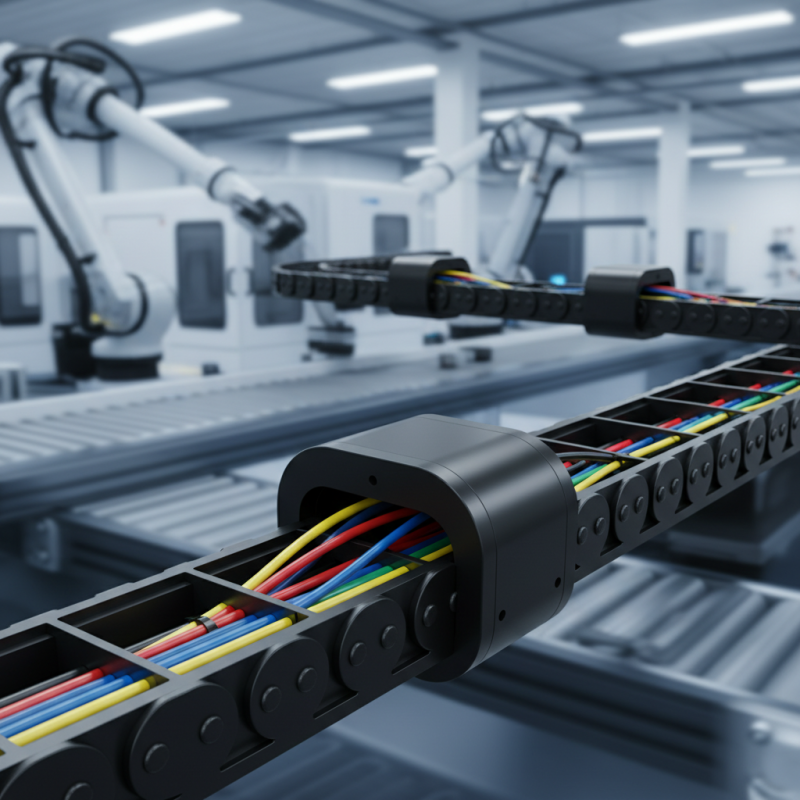
Nylon cable drag chains are essential in various mechanical applications. Understanding their structure helps in making informed choices. These chains protect cables and hoses from wear, ensuring smooth movement and reducing downtime. They are typically designed with interlocking links that provide flexibility and strength.
When selecting a nylon drag chain, consider factors like load capacity and operating environment. The material’s resistance to chemicals and temperature variations impacts its performance. Inspecting the installation space is crucial. If not done correctly, the chain may cause friction or damage. A well-chosen drag chain increases efficiency, but an incorrect one could lead to failures.
It's easy to overlook details during the selection process. Small miscalculations can result in costly repairs. Understanding the different sizes and configurations available is vital. Pay attention to compatibility with existing machinery. Even minor adjustments can enhance performance, making this an area to explore more deeply.
Identifying Your Specific Application Requirements
When selecting a nylon cable drag chain, understanding your specific application requirements is crucial. First, consider the environment where the drag chain will be used. Is it exposed to extreme temperatures, humidity, or chemicals? These factors can impact the material choice and durability of the chain. For example, certain nylon grades perform better against UV rays or temperature fluctuations.
Next, evaluate the movement dynamics of your setup. How long does the chain need to run? What are the bending radii? Calculating these specifications will help ensure smooth functionality. It's vital to avoid undersizing the chain, which can lead to premature wear. Additionally, think about cable management. Proper spacing within the chain can prevent tangling and damage.
Reflect on the weight load the drag chain will support. Incorrect calculations can cause failures. Testing different configurations helps refine your choice, revealing potential issues early on. Remember, each application is unique. Allow for adjustments as needed. This reflective process is essential for optimizing your setup.
How to Choose the Best Nylon Cable Drag Chain for Your Needs? - Identifying Your Specific Application Requirements
| Dimension | Specifications | Application | Load Capacity (kg) | Temperature Range (°C) |
| 25mm x 25mm | Standard nylon, UV resistant | Industrial robots | 10 | -40 to 100 |
| 40mm x 40mm | Reinforced nylon, flexible | CNC machines | 20 | -20 to 80 |
| 50mm x 50mm | Heavy-duty nylon, oil resistant | Automated assembly lines | 30 | -30 to 90 |
| 60mm x 60mm | Custom nylon blend, anti-static | Electronics assembly | 25 | -10 to 70 |
Evaluating Size and Compatibility Considerations
When choosing a nylon cable drag chain, size and compatibility are vital. Begin by measuring the dimensions of your cables and hoses. Consider the diameter and curvature needed for their movement. A drag chain that is too small may pinch or damage your cables. Conversely, one that is too large might allow excessive movement, leading to wear.
Compatibility with your machinery is another key factor. Examine the installation space available. Ensure that the chain can fit without obstruction. The drag chain should also adhere to the operational speed and load capacities of your equipment. Mismatches can result in failure or inefficiency.
Many users overlook the importance of environmental factors. Locations with extreme temperatures, chemicals, or dust may require specialized materials or designs for durability. It's crucial to reflect on these conditions to prevent premature wear and replacement. Ultimately, a thoughtful approach to size and compatibility ensures that your drag chain performs optimally in its intended application.
Comparison of Nylon Cable Drag Chain Sizes and Load Capacities
Comparing Different Materials and Designs
When selecting a nylon cable drag chain, material and design play crucial roles. Nylon is lightweight yet durable, making it suitable for various applications. It offers excellent resistance to chemicals and wear. When comparing different designs, consider factors like flexibility and load capacity. Some chains allow for tight bends, while others excel in straight-line applications.
Tips: Always check the specifications to ensure compatibility with your machinery. A little research can reveal hidden strengths or weaknesses in each design.
Different materials can also affect performance. Some options may be reinforced with materials like fiberglass for added strength. This can enhance durability but may come at a higher cost. Balancing your budget with performance needs is crucial. Think about the long-term use. Does a more robust chain save you money over time?
It's essential to evaluate your specific environment, too. Temperature and exposure to chemicals can significantly impact drag chain longevity. Not all nylon chains are equal. Reflect on these aspects while making your choice.
The right decision can ultimately lead to smoother operations and reduced downtime.
Assessing Cost-Effectiveness and Durability
When selecting a nylon cable drag chain, evaluating cost-effectiveness and durability is crucial. Nylon drag chains are known for their lightweight nature and resistance to abrasion. They can endure various environmental conditions. Yet, different grades of nylon may exhibit varying durability levels. It’s important to assess the specific needs of your application.
Cost-effectiveness often hinges on the lifespan of the drag chain. Cheaper options might save money upfront but could require frequent replacements. This increases costs in the long run. Consider factors such as load capacity and working environment. A durable drag chain performs well under strain, reducing the likelihood of failure.
Testing the drag chain in real-world scenarios is beneficial. Unexpected wear can reveal flaws in initial assessments. Engage with users who have experience handling similar equipment. Their insights may highlight both strengths and weaknesses. In the end, a careful analysis of durability versus initial costs will guide you toward a more informed decision.