Why Choose PVC Tarpaulin for Your Next Project?
PVC Tarpaulin has become a popular choice in numerous industries, from construction to outdoor events. John Harris, a leading expert in the PVC Tarpaulin field, once said, "The durability of PVC Tarpaulin cannot be underestimated." This statement encapsulates the value of this versatile material.
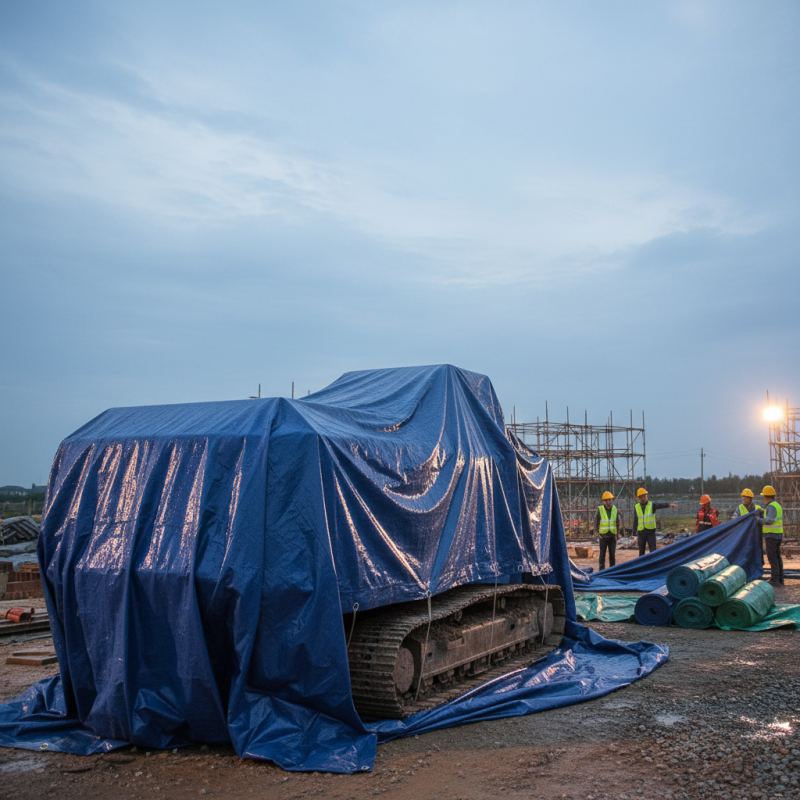
When selecting materials for a project, durability matters. PVC Tarpaulin stands out for its strength and resistance to weather conditions. It is waterproof, UV-resistant, and tear-resistant, which adds to its appeal. Imagine a construction site using PVC Tarpaulin to cover equipment. It protects valuable assets, ensuring they remain in optimal condition.
Yet, not all projects benefit equally from this material. Some users find it challenging to work with due to its weight. It's essential to weigh the pros and cons. While the advantages are significant, understanding the potential drawbacks can lead to better decision-making in your next project.
Benefits of PVC Tarpaulin in Various Industries
PVC tarpaulin is increasingly popular across multiple industries. Its durability makes it a top choice for construction, agriculture, and outdoor events. According to industry reports, PVC tarpaulin can last over a decade when properly maintained. This longevity offers cost savings that can benefit businesses significantly.
In construction, PVC tarpaulin provides excellent protection from weather elements. It resists water, UV rays, and tearing, making it suitable for covering materials or temporary structures. In agriculture, its ability to withstand harsh conditions helps in tarping silage and protecting crops. Data suggests that using tarpaulin can enhance crop yield by up to 20% by safeguarding against rain and pests.
Tips: Always check for the thickness and weight of the PVC tarpaulin. Thicker material often means better durability but can be heavier to handle. Additionally, consider the environment where it will be used. Indoor applications might not require the same specifications as outdoor ones.
Despite its advantages, there are concerns regarding environmental impact. PVC is not biodegradable and can release harmful chemicals if not disposed of correctly. Reflection on sustainable options is crucial. As industries progress, the search for eco-friendly tarpaulin solutions continues to grow, showing that even a robust choice has its challenges.
Durability and Weather Resistance of PVC Tarpaulin
When considering materials for your next project, PVC tarpaulin stands out due to its impressive durability and weather resistance. Reports indicate that PVC tarpaulin can withstand extreme temperatures ranging from -30°C to 70°C, making it suitable for diverse climates. This versatility ensures that your project will maintain integrity, whether it's exposed to intense sunlight or heavy rainfall.
One crucial aspect of PVC tarpaulin is its resistance to tearing. Studies show that it has a tensile strength of over 600N, which means it can endure significant stress without damage. This durability is particularly valuable for applications like truck covers and tents, where heavy use is expected. However, it’s essential to note that improper installation or maintenance can lead to premature wear. Regular checks for wear and tear can prolong the life of your tarpaulin.
Tips: Always store PVC tarpaulin in a cool, dry place. This prevents mold and mildew, which can shorten its lifespan. Additionally, cleaning it with mild soap and water can help maintain its appearance and functionality. Selecting high-quality materials matters, but remember that no product lasts forever; attentive care can make all the difference.
Why Choose PVC Tarpaulin for Your Next Project? - Durability and Weather Resistance of PVC Tarpaulin
| Property | Description | Benefits |
| Durability | Resistant to tears and abrasions | Long-lasting, reducing replacement costs |
| Weather Resistance | Withstands extreme temperatures, UV rays, and rain | Suitable for outdoor applications |
| Waterproof | Impermeable to liquids | Protects contents from water damage |
| Lightweight | Easy to handle and transport | Reduces shipping and handling costs |
| Versatility | Suitable for various applications (e.g., tents, cover tarps) | Adaptable to multiple project needs |
Cost-effectiveness of PVC Tarpaulin Compared to Alternatives
When considering materials for your next project, PVC tarpaulin stands out for its cost-effectiveness. Unlike many alternatives, PVC tarpaulin provides durability at a lower price. This material can withstand harsh weather and heavy use. You save money not just on initial costs but also on replacements.
PVC tarpaulin is also lightweight and easy to transport. This feature reduces shipping costs, making it a smart choice for businesses. Don’t forget, though, that storage matters too. Proper storage can prolong the life of your tarpaulin. Keep it clean and dry to prevent damage.
Tip: Always compare prices with similar materials. Sometimes, cheaper options might not offer the same value. Evaluate needs carefully. Choosing the right thickness can make a significant difference in long-term costs. Focus on your project requirements to make an informed decision.
Environmental Impact and Recycling Potential of PVC Tarpaulin
PVC tarpaulin is known for its durability and versatility. However, its environmental impact is an important aspect to consider. One major concern is the production process, which can involve harmful chemicals. These chemicals may leach into the environment, raising questions about sustainability. Yet, PVC tarpaulin can be recycled. This can reduce its carbon footprint significantly.
When using PVC tarpaulin, think about recycling options. Look for facilities that accept PVC materials in your area. Understanding local recycling programs is crucial. Not all locations offer easy disposal for PVC products. It’s worth researching to ensure you aren’t contributing to long-term waste.
Using tarpaulin in your project can be cost-effective. But remember, sustainability should also be a priority. Consider alternatives, like natural fibers, when possible. When opting for PVC, ensure you are prepared to recycle it responsibly after use. This mindset can lead to better choices and less environmental impact over time.
Environmental Impact and Recycling Potential of PVC Tarpaulin
Common Applications and Market Demand for PVC Tarpaulin
PVC tarpaulin is widely used in various industries due to its versatility and durability. This material is often found in applications like tents, truck covers, and advertising banners. Its ability to withstand harsh weather makes it a popular choice. Many businesses utilize PVC tarpaulin for portable shelters and equipment covers, ensuring that their investments are protected from the elements.
The market demand for PVC tarpaulin has surged, especially in construction and transportation. Companies are seeking reliable materials that can endure heavy use. While PVC tarpaulin offers numerous benefits, it is not without limitations. Some users report difficulties in welding or recycling the material. It’s essential to weigh these challenges against the advantages it brings to your project. Exploring specific uses can help refine your choice and maximize the benefits of this robust material.