How to Choose the Right Plastic Molding Machine for Your Production Needs
In the rapidly evolving landscape of manufacturing, the selection of the appropriate plastic molding machine has become a critical factor for success in production processes. As industries demand greater precision, efficiency, and customization, understanding the nuances of various molding technologies is paramount. According to a recent market analysis by Smithers Pira, the global plastic molding machine market is expected to reach $37 billion by 2025, reflecting a compound annual growth rate (CAGR) of 6.8%. This highlights not only the growing importance of these machines but also the strategic need for manufacturers to invest in technology that aligns with their unique production needs.
Renowned industry expert Dr. Emily Chen emphasizes the significance of choosing the right machine by stating, “The efficiency of your production line hinges on the compatibility of your plastic molding machine with your specific application requirements.” This insight underscores the necessity for manufacturers to conduct thorough research and consider various factors such as machine type, material compatibility, and production volume when making their choice. With the right plastic molding machine, companies can improve their operational efficiency, reduce cycle times, and ultimately enhance product quality, positioning themselves competitively in the market.
Understanding Different Types of Plastic Molding Machines
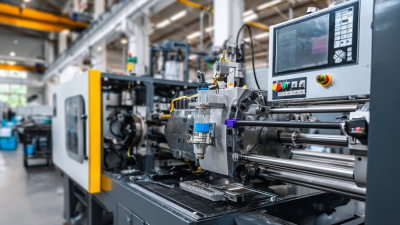
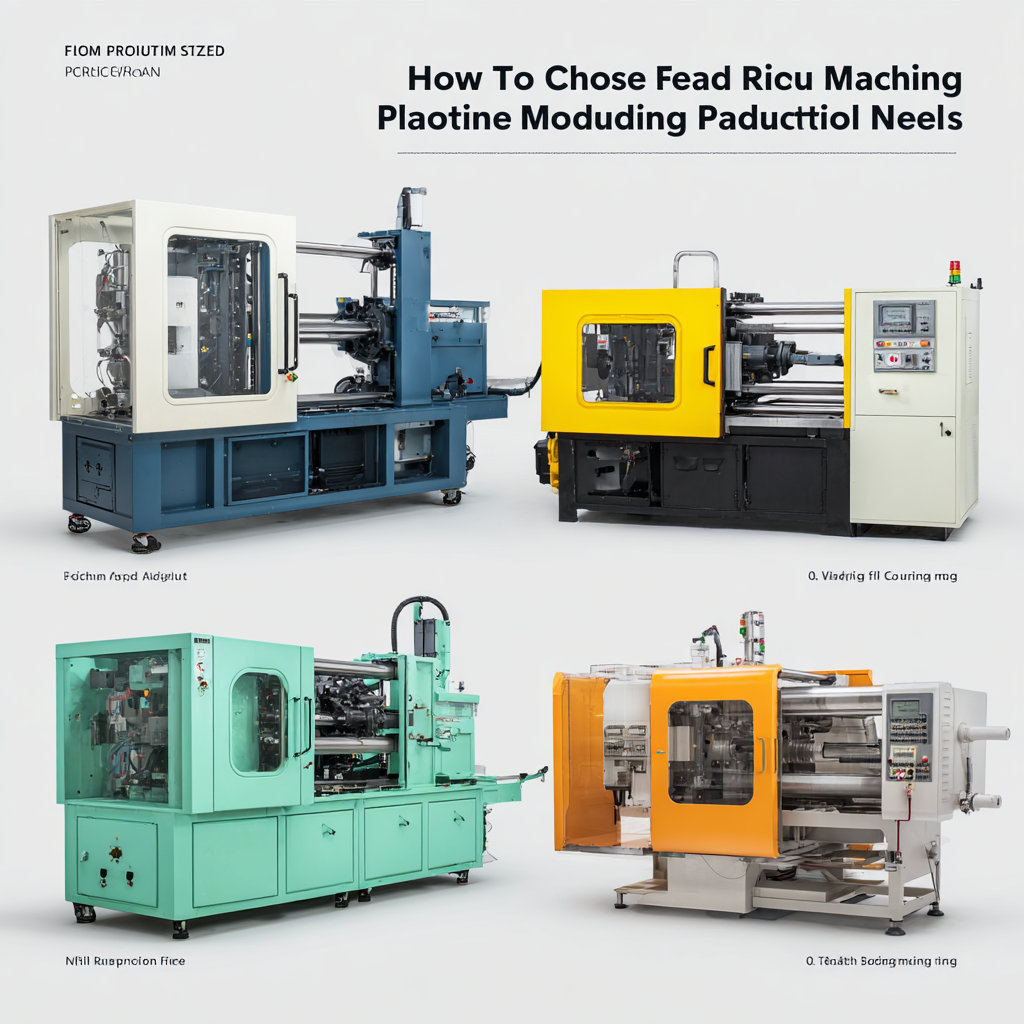
When selecting the right plastic molding machine for your production needs, it’s essential to understand the different types available in the market. Currently, the injection molding machine segment witnesses significant growth, with projections indicating expansion from $551.3 million in 2025 to $759.2 million by 2032. The primary classifications include electric, hydraulic, and hybrid machines, each catering to varying operational needs and efficiency levels.
Tips for choosing the right machine include considering your production volume and material requirements. For instance, electric machines are known for their energy efficiency and precision but might have higher initial costs. Hydraulic machines, on the other hand, are suitable for larger-scale operations due to their robust clamping force, while hybrid models offer a blend of efficiency and power.
Additionally, keep in mind the future of manufacturing technology. Innovations such as next-generation all-electric machines and specialized micro injection molding options are changing industry standards. Investing in advanced machines can boost product quality and production speed, giving businesses a competitive edge.
Key Factors to Consider When Selecting a Plastic Molding Machine
When selecting the right plastic molding machine for production, several key factors must be considered to ensure optimal performance and efficiency. First, understanding the type of plastic to be molded can greatly influence the choice of machine. For instance, thermoplastics require different processing conditions compared to thermosetting plastics. According to a report by Research and Markets, the global plastic molding market is expected to grow at a CAGR of 5.2% from 2021 to 2026, further emphasizing the importance of aligning machine capabilities with material requirements to stay competitive.
Another crucial factor is the machine's size and clamping force. The required clamping force typically depends on the part size and complexity, with larger and more complex parts necessitating greater force. The industry standard suggests that clamping force should be about 2 to 5 tons per square inch of projected part area. Additionally, energy efficiency has become a vital consideration, as machines that utilize servo motors can reduce energy consumption by approximately 30% to 70% compared to conventional hydraulic machines, offering both cost savings and a lower carbon footprint, as noted in a study by the American Society of Mechanical Engineers (ASME). Understanding these parameters is essential for selecting a plastic molding machine that meets production needs effectively.
Plastic Molding Machine Selection Factors
The chart above represents key factors to consider when selecting a plastic molding machine. Each factor is rated on a scale from 1 to 10, indicating its importance in the decision-making process.
Evaluating Production Volume and Speed Requirements
When selecting the right plastic molding machine, evaluating production volume and speed requirements is crucial for optimizing manufacturing efficiency. Current industry trends indicate that demand for high-speed machines is on the rise, particularly in sectors focused on mass production. According to recent research, high-speed machines, which often feature advanced technologies such as permanent magnet synchronous designs, can significantly enhance output rates while minimizing maintenance needs. These machines can frequently outperform traditional units, achieving production speeds that lead to shorter cycle times and increased throughput, vital for companies aiming to meet growing market demands.
Furthermore, understanding the anticipated production volume is essential in making an informed decision. If a company is planning to scale operations, it must consider how machine capabilities align with production targets. Reports suggest that companies looking to transition to high-volume production benefit from machines that can seamlessly integrate with automation technologies. This synergy not only maximizes efficiency but also reduces operational costs over time. In an era where innovation is key, particularly with advancements in artificial intelligence, aligning production needs with machine capabilities can catalyze overall performance and competitiveness in the market.
Assessing Material Compatibility and Machine Specifications
When selecting a plastic molding machine, assessing material compatibility and machine specifications is crucial to optimizing production efficiency and product quality. Compatibility between the machine and the material affects the processing temperature, pressure, and cycle time. According to a report by MarketsandMarkets, the global injection molding machine market is expected to reach $12.5 billion by 2025, driven largely by the increasing demand for engineered plastics in various industries such as automotive and consumer goods. This growth underscores the need for manufacturers to ensure that their machinery can handle specific materials, such as thermoplastics and thermosetting materials, without compromising performance.
The specifications of the molding machine, including clamping force, injection volume, and screw design, must align with the intended application. For example, a study from Statista indicated that machines with a clamping force exceeding 1,000 tons cater to high-volume production, which is vital for large-scale operations. Choosing a machine that aligns with the physical properties of the plastic materials, such as viscosity and melting point, also plays a significant role in achieving optimal cycle times and minimizing defects, ultimately affecting the bottom line. Organizations must therefore conduct thorough assessments of both material characteristics and machine specifications to enhance production capabilities in a competitive market.
Budgeting for Upfront Costs and Long-Term Maintenance Expenses
When selecting a plastic molding machine, budgeting for both upfront costs and long-term maintenance is crucial. The initial investment can vary significantly based on the machine's size, complexity, and features. It's essential to evaluate your production volume and the types of materials you will be working with to ensure that the machine you choose aligns with your operational demands.
Comparing different models and manufacturers can provide insight into pricing ranges and help identify the best value for your production needs.
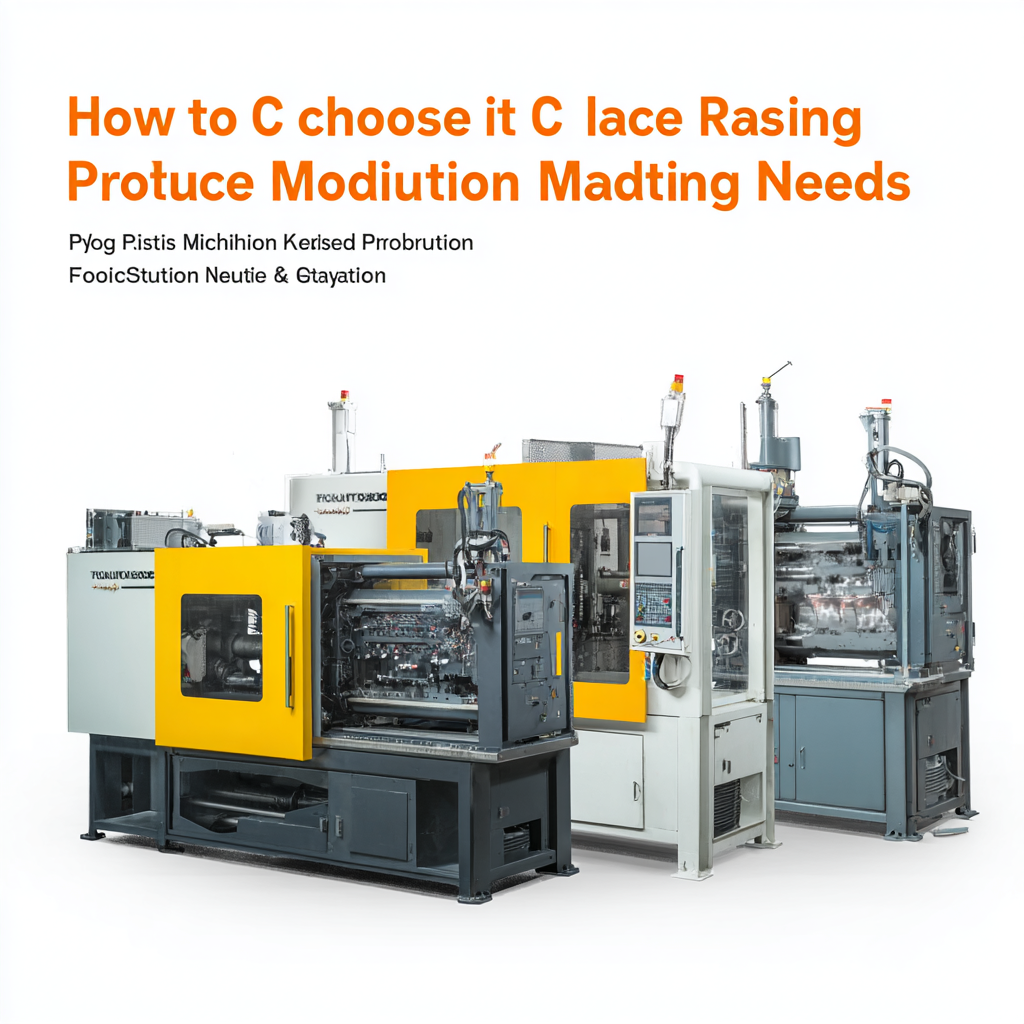 Long-term maintenance costs are often overlooked but can greatly impact the overall expense of owning and operating a molding machine. Routine maintenance, such as lubrication, calibration, and parts replacement, should be factored into your budget. Additionally, consider the availability of service support and spare parts from the manufacturer, as this can influence downtime and repair costs. By planning for these expenses, you can avoid unexpected financial burdens and ensure a smoother production process over the machine's lifespan.