How to Choose the Best PVC Panel Wall for Your Needs?
When it comes to selecting the right Pvc Panel Wall, expert opinions are invaluable. John Smith, a renowned specialist in sustainable building materials, emphasizes, "Choosing the right PVC panel wall can significantly impact your project's success." With numerous options available, making the right choice is crucial.
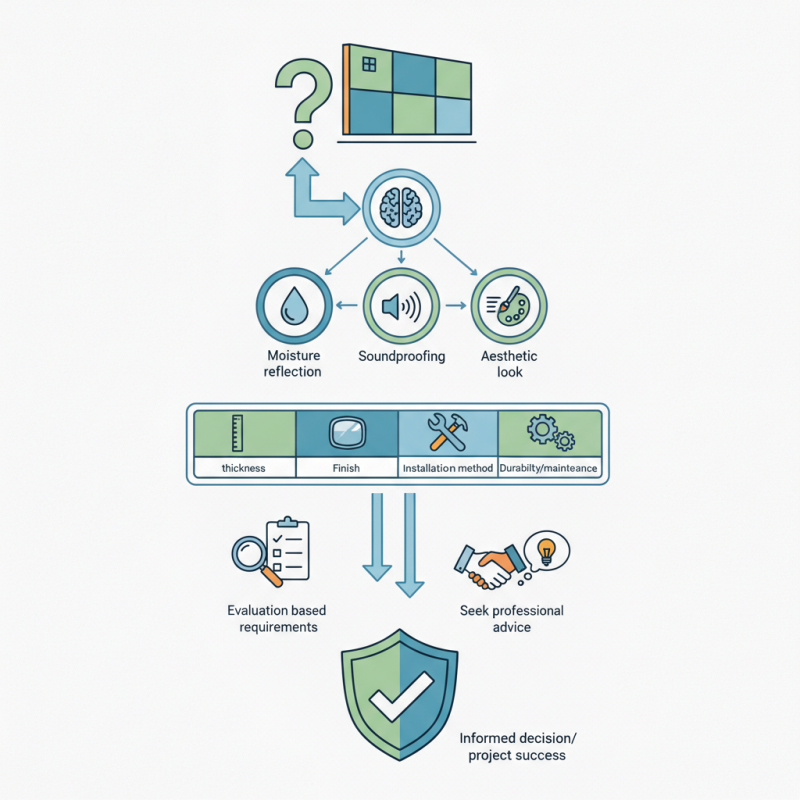
PVC panel walls offer durability, aesthetic appeal, and low maintenance. They are widely used in commercial and residential spaces. However, not all panels are created equal. Factors like thickness, finish, and installation method matter greatly. Delving into these specifics is vital for your decision-making process.
Moreover, understanding the purpose of the PVC panel wall is essential. Are you looking for soundproofing, moisture resistance, or a particular look? Reflect on your needs carefully. Mistakes here can lead to undesirable outcomes. Evaluate each option based on your unique requirements. Make informed decisions, and don't hesitate to seek advice from industry professionals. Your choice will define the longevity and effectiveness of your walls.
Understanding PVC Panels: Types and Features
PVC panels are gaining popularity in interior and exterior applications due to their durability and versatility. They come in various types, including solid, foamed, and laminated panels. Each type has unique features that cater to different needs. For instance, solid PVC panels are robust and can withstand heavy impacts, making them suitable for high-traffic areas.
According to industry reports, the global PVC panel market is expected to grow by 8.5% CAGR from 2023 to 2028. This reflects a rising demand for eco-friendly building materials. Laminated panels offer a stunning finish and are resistant to moisture, ideal for bathrooms and kitchens. However, some users report issues with fading over time in direct sunlight. It is essential to weigh these factors while selecting the right panel.
Installation is another critical aspect. Many panels offer interlocking designs for easy setup. Yet, there are shortcomings. Improper installation can lead to warping and misalignment. Understanding the specific requirements of your project is crucial. Be sure to check for appropriate thickness, style, and maintenance needs. This knowledge will help you make an informed decision that fits your unique space.
Assessing Your Space: Size and Installation Considerations
When assessing your space for PVC panel installation, size is crucial. Measure your walls accurately. Consider ceiling height, corners, and architectural features. Reports indicate that improper measurements are a common mistake. In fact, almost 30% of DIY installations face issues due to size miscalculations. It's vital to know the dimensions to avoid costly adjustments later.
Installation considerations play a significant role as well. Understand the weight of the panels you choose. Some PVC panels are heavier and may require additional support. A well-known industry study shows that improper installation can lead to panel sagging. Additionally, humidity levels in your area are important. PVC panels can expand or contract based on moisture. This can affect the overall aesthetics and longevity of your installation. The right preparation and understanding of your space will lead to a better outcome. Make sure to plan thoroughly before commitment.
How to Choose the Best PVC Panel Wall for Your Needs?
This chart illustrates important characteristics to consider when choosing PVC panel walls. The 'Wall Size' indicates the typical area coverage, 'Installation Difficulty' on a scale from 1 to 5, 'Durability' represents the estimated lifespan in years, and 'Cost per sq ft' gives an idea of the expense involved in purchasing and installing PVC panels.
Evaluating Durability: Resistance to Moisture and Impact
When selecting PVC panel walls, durability is key. A major aspect of durability is resistance to moisture. PVC panels are often chosen for areas prone to humidity, such as bathrooms or kitchens. They do not warp or swell when exposed to water. This makes them suitable for a variety of environments. However, it’s important to ensure that the installation is done correctly. Poor installation can lead to water leaks and damage.
Impact resistance is another critical factor. Quality PVC panels should withstand everyday bumps and scrapes. For instance, in high-traffic areas, panels with better impact resistance will maintain their appearance longer. However, not all panels are created equal. Some may crack more easily than others. It's essential to examine the specifications. Look for panels that undergo rigorous testing. This can give you confidence in their longevity.
In conclusion, evaluating moisture and impact resistance will help you make an informed choice. Review multiple options before committing to one type. Don’t forget to consider the environmental factors in your space as well. Sometimes, the most affordable choices may not be the best in the long run. Reflect on your specific needs before deciding.
How to Choose the Best PVC Panel Wall for Your Needs? - Evaluating Durability: Resistance to Moisture and Impact
| Material Type | Moisture Resistance (Rating) | Impact Resistance (Rating) | Ideal Application |
| Standard PVC Panel | Good (8/10) | Moderate (6/10) | Residential Areas |
| Reinforced PVC Panel | Excellent (9/10) | High (8/10) | Commercial Spaces |
| Foamed PVC Panel | Very Good (7/10) | Low (4/10) | Interior Applications |
| PVC Laminated Panel | Good (8/10) | Moderate (5/10) | Strength Requirements |
| Plastic Composite Panel | Excellent (10/10) | Very High (9/10) | High Traffic Areas |
Design Options: Colors, Patterns, and Aesthetics
When selecting PVC panel walls, design options play a crucial role. Color, patterns, and overall aesthetics significantly impact the space's feel and function. A report by the Research Institute of Interior Design indicates that 65% of consumers prioritize visual appeal in their decisions. This statistic underscores the importance of matching panel aesthetics with the desired ambiance.
PVC panels come in various colors and textures. Bright hues like mint green and coral bring vibrancy to spaces. On the other hand, neutral tones such as beige and gray offer versatility. Patterns can range from solid to intricate designs that mimic wood or stone. According to a market analysis, 40% of homeowners prefer panels that replicate natural materials. This trend reflects a desire for the rustic charm without the upkeep.
Choosing the right aesthetics is not always straightforward. A bold pattern may overwhelm a small room, while a dull color could make a large space feel lifeless. Experts suggest experimenting with samples to visualize the final look. Engaging with design professionals can further enhance the selection process. Balancing personal taste with expert advice creates a harmonious environment.
Budgeting: Cost Factors and Long-Term Value
When selecting PVC panel walls, budgeting is crucial. Various cost factors shape your decision-making. The initial purchase price is just one aspect. According to industry reports, the per square foot cost of PVC panels ranges from $1.50 to $6.00, depending on quality and design choices. However, consider installation costs, which can add 20% to 50% to your budget. Understanding these aspects will prevent overspending.
Long-term value is vital. Quality PVC panels offer durability, often lasting over 20 years with proper maintenance. Cheaper alternatives may appear attractive initially but could lead to higher replacement and repair costs. Research indicates that investing in high-quality materials can save up to 30% in maintenance over a decade. Ensure you evaluate the lifecycle costs of different panels before committing. Ultimately, a balance of upfront and long-term costs will determine your project's financial sustainability.