How to Choose a Rubber Injection Molding Supplier?

Choosing a supplier for rubber injection molding can shape part consistency, production costs, and delivery reliability. A capable partner does more than operate presses. They help match elastomer properties, mold design, and process settings to the part’s actual use. Small differences in cure time, gate placement, or flash control can affect sealing performance and assembly fit. Details matter.

Start by examining the supplier’s experience with similar materials, part sizes, and production volumes. Ask how they evaluate drawings, select compounds, and manage mold trials. Request clear material specifications and examples of inspection records, process controls, and traceability. These details help reveal whether quality is built into production or checked only at the end. Visit the facility if practical. Look at how materials are stored, how operators monitor machines, and how rejected parts are handled. A neat showroom is not enough.

No checklist can replace a careful technical conversation. A sample may look excellent yet behave differently after repeated compression, heat exposure, or contact with fluids. Discuss the conditions your part will face, and agree on realistic acceptance criteria before production begins. Be cautious of promises that sound effortless. Even experienced suppliers can miss assumptions when drawings are incomplete or requirements change. A useful supplier will raise questions, explain trade-offs, and document decisions. That willingness to examine uncertainty may be more valuable than a polished sales pitch.
How to Choose a Rubber Injection Molding Supplier?

Define Your Part Requirements and Production Goals

A suitable rubber injection molding supplier can only be assessed against a clear part brief. Describe what the component must do, not just how it looks. Specify the elastomer or required properties, such as oil resistance, operating temperature, and compression set. If the exact material is undecided, say so. A capable supplier can explain the trade-offs.

Include a drawing with dimensions, tolerances, surface requirements, and any metal or plastic inserts. For a sealing part, note the mating surfaces and expected compression. Small details matter. State the expected annual volume, order size, launch date, and likely demand changes. Early estimates are imperfect. Still, a forecast helps suppliers discuss mold capacity, cycle time, and realistic lead times. Define acceptable inspection methods and critical dimensions; for example, request sample measurements from a first production run. Plans change. Ask how the supplier handles design revisions, trial parts, and production ramp-up. Clear goals make quotations easier to compare, while exposing gaps before tooling begins. A supplier may recommend a different gate location or draft angle, but those changes should be reviewed against the part’s function and your drawing.

Assess the Supplier’s Rubber Molding Expertise and Equipment

A supplier’s rubber molding expertise shows in the questions they ask before quoting. They should clarify the part’s function, operating temperature, expected exposure, and critical dimensions. Ask how they select a compound and control curing time. These choices affect flexibility, compression set, and long-term performance. Experience matters.

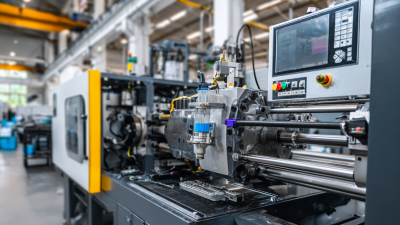
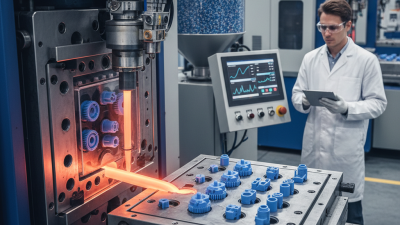
Look closely at the equipment, not just its age. Injection presses should suit the part’s shot size and required clamping force. Stable temperature controls help keep curing consistent across production runs. For complex parts, ask whether the supplier uses vacuum systems to reduce trapped air. Inspect the molds, too. Clean vents and well-maintained cavities can help limit flash and surface defects.

Ask to see process records or sample inspection results. Useful evidence may include cure data, dimensional checks, and tests relevant to the part’s actual use. A polished factory tour is not proof of repeatable quality. Ask how operators respond when a batch falls outside its target range. Their answer should describe a real process, not only a promise. Even capable suppliers can have limits; a small trial run may reveal issues that a meeting cannot.

How to Choose a Rubber Injection Molding Supplier? - Assess the Supplier’s Rubber Molding Expertise and Equipment

Assessment Dimension What to Evaluate Evidence to Request or Review Suggested Weight
Rubber and elastomer expertise Experience processing the elastomer types and hardness ranges required for the part, such as EPDM, NBR, silicone, or FKM. Relevant project examples, material handling procedures, and explanations of how compound selection affects cure, shrinkage, and end-use performance. 15%
Rubber injection molding experience Demonstrated knowledge of rubber-specific molding challenges, including uncured compound handling, air entrapment, flash, cure behavior, and part removal. Process examples for parts of similar geometry, size, tolerance, or production volume; documented corrective actions for comparable molding issues. 15%
Injection molding machines Machine capacity and configuration suitable for the part, including injection unit capability, clamping force, platen size, and process-control features. Equipment list with machine specifications and confirmation that the proposed machine can accommodate the mold and required production conditions. 12%
Temperature and cure control Ability to control mold temperature and cure time consistently. Cure requirements vary by rubber compound, part design, and tooling. Temperature-control procedures, process records, calibration records, and examples of how cure settings are established and maintained. 12%
Mold design and tooling Capability to review or develop rubber molds with suitable cavity layout, gating, venting, and provisions for demolding and part quality. Tooling design-review process, mold maintenance plan, and examples of relevant mold designs or design-for-manufacturing feedback. 12%
Process development and validation A structured approach to establishing process settings, checking repeatability, and confirming that parts meet agreed specifications before production release. Sample development plan, inspection results, process documentation, and applicable validation records such as first-article or capability studies. 12%
Quality inspection and traceability Inspection methods suited to the drawing and application, with identification and traceability for relevant materials, production lots, and inspection results. Inspection plan, measuring equipment and calibration records, sample reports, nonconformance procedure, and available lot-traceability details. 10%
Production capacity and maintenance Whether available machine time, tooling upkeep, and maintenance practices can support the required order volume and delivery schedule. Capacity planning approach, preventive-maintenance records, mold storage and maintenance practices, and a sample production schedule. 7%
Technical communication Willingness and ability to discuss part requirements, identify manufacturing risks, and provide clear technical updates during development and production. Responses to a technical inquiry, documented review comments, and a defined process for handling engineering changes and production issues. 5%
Total suggested weighting 100%

Review Quality Systems, Certifications, and Material Controls

A rubber injection molding supplier should show how its quality system works on the shop floor, not just provide a polished certificate. Ask how operators record temperature, pressure, and cycle time for each production run. Check whether inspection tools are calibrated and whether nonconforming parts are isolated. A certification matters only when its scope covers the facility and processes making your parts. Review recent audit findings, corrective actions, and training records. Small gaps can reveal more than a wall of certificates.

Material controls deserve equal attention. Request lot records linking incoming rubber compounds to finished parts. Ask how the supplier checks material identity, storage conditions, shelf life, and mixing instructions. For a critical seal, a retained sample and a clear batch number can make an investigation far less uncertain. Confirm how material substitutions are approved. A capable supplier should notify you before changing a compound, even when the part still appears acceptable. Paperwork can look complete and still leave practical questions unanswered.

Tips: During a visit, compare a traveler sheet with the actual work area. Ask an operator to explain one control in their own words. Check that labels are readable and containers are closed. If an answer feels vague, ask again; that pause may be useful.

Compare Capacity, Lead Times, and Total Project Costs

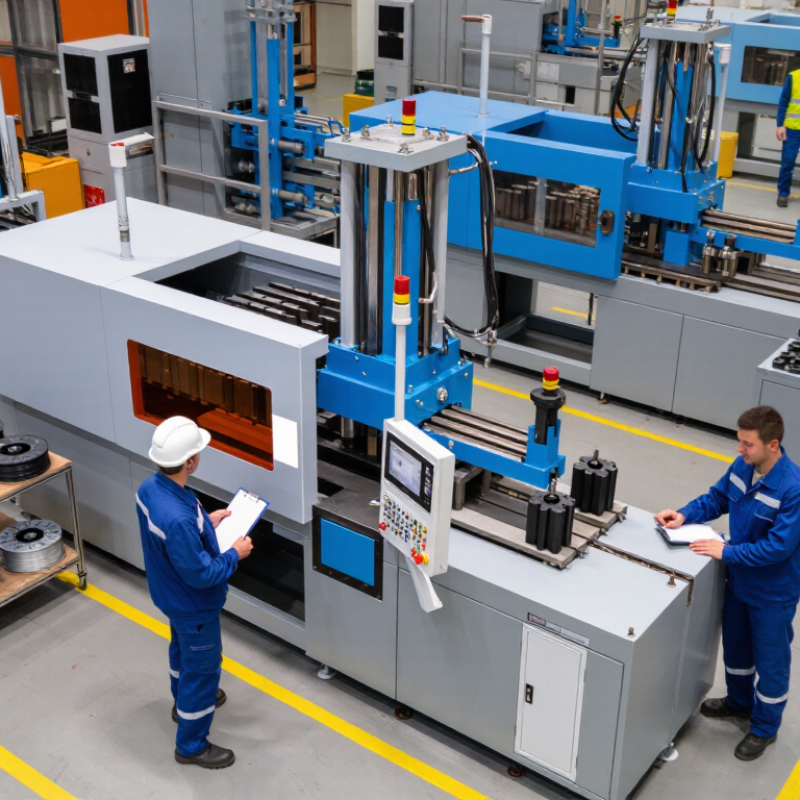
Choosing a rubber injection molding supplier starts with checking usable capacity, not just the number of presses listed in a brochure. Ask which machines can run your part’s required clamp force, shot size, and mold dimensions. Then confirm available shifts, current utilization, and whether production can scale without moving your tool elsewhere. A large machine count can look reassuring. Still, one compatible press with a full schedule may delay your order.

Compare lead times by asking for separate dates for mold review, tooling, first samples, approval, and repeat production. Request a realistic schedule that includes material procurement and any secondary operations, such as trimming or inspection. Clarify what happens if samples need adjustment. A short quoted lead time may exclude several weeks of testing. Keep that in mind.

For total project costs, look beyond the unit price. Include tooling, mold maintenance, sampling, setup, packaging, freight, and expected scrap or rework. Ask whether the quote assumes a particular order volume or resin grade; small changes can shift costs noticeably. I would also compare the cost of holding extra inventory against the risk of a longer replenishment cycle. A low piece price is not always the cheaper project. Check the assumptions line by line before comparing bids.

Validate the Supplier Through Samples and Technical Communication

A supplier’s sample is useful only when it reflects the process you will actually buy. Request parts made with the intended compound, mold, and production settings, not hand-finished showcase pieces. Inspect the parting line, flash, surface marks, and dimensions. Measure critical features with agreed tools, and ask for the raw results. ISO 3302-1 defines dimensional tolerance classes for rubber products; use it to set expectations, not to replace part-specific requirements. Where applicable, ASTM D2000 can help specify rubber compound properties. Keep a few samples for comparison. A perfect first sample can still mislead.

Technical communication reveals how a supplier handles variation. Ask how they control cure time, temperature, injection pressure, and compound changes. Request a simple process record and clear answers about what happens when a measurement drifts. Deloitte and The Manufacturing Institute projected that U.S. manufacturing could need 3.8 million workers by 2033, with 1.9 million jobs potentially unfilled. That makes documented knowledge and named process owners worth checking, not assuming. Send one drawing question and see whether the reply cites a feature, tolerance, or measurement method. Vague answers are a warning. I would also ask what the supplier is still uncertain about; capable teams should be able to name a risk, even if their first answer is imperfect.