Formwork Steel Prop Innovations at the 139th Canton Fair?
The 139th Canton Fair promises a wealth of innovations, particularly in the area of formwork steel prop. This event, scheduled from April 15 to May 5, 2026, focuses on advanced manufacturing and building materials. Innovative solutions in formwork steel prop are essential for constructing safe and reliable structures. As companies showcase their latest products, the focus on quality and efficiency takes center stage.
The introduction of artificial intelligence at the fair enhances the search for suppliers. Buyers can now quickly find formwork steel prop manufacturers who meet specific certifications like ISO and CE. This smart approach streamlines the procurement process. However, the challenge remains to ensure that these innovations truly meet the demands of today’s construction industry.
As we explore these advancements, it’s crucial to reflect on the effectiveness of formwork steel prop in real-world applications. Are these innovations addressing the needs of construction? Are they as reliable as promised? These questions linger as the industry looks forward to the fair’s revelations. The potential for growth is significant, but success hinges on genuine improvements in safety and sustainability.
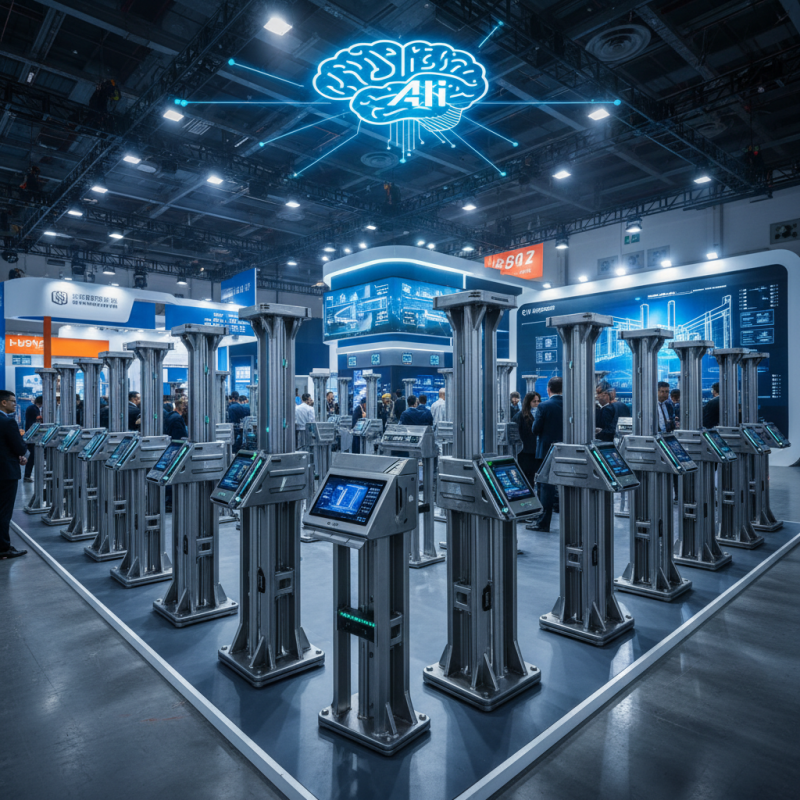
Innovative Formwork Steel Prop Solutions at the 139th Canton Fair
At the 139th Canton Fair, innovative formwork steel prop solutions are gaining attention. The construction industry consistently seeks advancements to improve efficiency and safety. Recent reports indicate that the global formwork market will grow at an annual rate of 5.6% until 2027. This growth is driven by the increasing urbanization and demand for infrastructure.
Innovative design is at the forefront of new steel props. Lightweight materials are being tested, enhancing portability. These advancements could reduce labor costs and increase productivity on-site. However, many construction firms still rely on outdated methods. A transition to these innovations may require additional training and investment, which can be challenging.
Efficiency is critical in modern construction. Studies show that using advanced props can decrease project timelines by up to 30%. Yet, some companies hesitate to adopt new technologies. Concerns about the initial cost and adaptation may hinder progress. As the industry evolves, embracing innovative solutions will be essential for staying competitive.
Innovative Formwork Steel Prop Solutions at the 139th Canton Fair
Key Trends in Formwork Technology Showcased at the Canton Fair
The 139th Canton Fair unveiled exciting innovations in formwork technology. Visitors encountered cutting-edge steel props designed to enhance construction efficiency. These advancements not only promise better stability but also aim to reduce costs and labor.
Among the showcased trends, modular systems gained attention. These systems allow for quick assembly and disassembly, making the construction process smoother. However, there are challenges. The learning curve for workers can be steep. Training is essential to maximize the benefits of these innovations.
Sustainability was also a focal point. Eco-friendly materials are now being integrated into formwork designs. This shift reflects the industry's growing awareness of environmental impact. Yet, the adoption rate remains uneven. Many companies face budget constraints, hindering the transition to greener solutions.
Impact of Innovations on Construction Efficiency and Safety
At the 139th Canton Fair, innovations in formwork steel props made a notable appearance. These products promise improved efficiency in construction projects. The new designs feature enhanced stability and durability, which can significantly reduce downtime on site. Construction workers can install these props quickly, which may cut labor costs.
Safety is another critical aspect of these innovations. Improved stability translates to fewer accidents on job sites. Construction is inherently risky, but better equipment can mitigate some of those dangers. However, not all innovations are foolproof. Companies need to ensure these products undergo rigorous testing.
While the advancements are promising, they also raise questions. Are all construction teams trained to use these new props effectively? Some might struggle with the transition. Adapting to new technologies takes time, and not every worker may feel comfortable with these changes. Continuous education and feedback are vital to ensure everyone is on the same page. The impact of these innovations hinges on proper implementation and the willingness of teams to embrace change.
Comparative Analysis of Traditional vs. Modern Steel Props
Innovations in steel props are transforming the construction industry. Traditional props use heavy materials, making them cumbersome. In contrast, modern steel props are lighter and easier to handle. For instance, recent reports show that weight reduction can reach up to 30%. This change not only increases efficiency but also enhances safety on job sites.
A comparative study reveals that modern props offer improved load-bearing capacities. While traditional props typically support up to 3000 kg, modern designs can handle up to 5000 kg with less material. This advancement reduces the amount of steel needed, which is a significant step towards sustainable construction practices. However, some users still resist these changes. They express concern about reliability and cost-effectiveness.
Despite the clear benefits, the transition to modern steel props isn't without challenges. Some contractors struggle to adapt to new installation techniques. Training is essential, yet many firms overlook this need. As the industry evolves, addressing these gaps will be crucial for maximizing the potential of innovative steel props.
Future Prospects for Formwork Innovations in the Global Market
The global market for formwork innovations is rapidly evolving. Recent reports indicate growth potential of approximately 8% annually through 2025. Sustainable materials and smart technologies are driving this change. Many construction companies are exploring lightweight steel props. These props not only reduce labor costs but are also more efficient.
At the 139th Canton Fair, many exhibitors focused on innovations in formwork solutions. These innovations aim to enhance safety and efficiency in construction projects. However, challenges remain. Not all companies fully understand new technologies. This gap can lead to improper usage, affecting project outcomes.
Experts predict the adoption of modular systems will increase. These systems offer flexibility and speed. However, complications can arise from installation errors. Training for workers is crucial to avoid setbacks. The promising future of formwork innovations depends on addressing these challenges effectively.
Formwork Steel Prop Innovations at the 139th Canton Fair - Future Prospects for Formwork Innovations in the Global Market
| Innovative Feature | Benefits | Market Interest Level | Projected Growth (2024-2026) |
| Lightweight Materials | Easier handling and reduced transportation costs | High | 15% CAGR |
| Adjustable Height Features | Increased flexibility for various construction projects | Medium | 10% CAGR |
| Smart Prop Technology | Real-time monitoring of structural stability | High | 20% CAGR |
| Eco-friendly Materials | Reduced environmental impact and sustainability | High | 18% CAGR |
| Modular Design | Quick assembly and disassembly | Medium | 12% CAGR |