2026 How to Choose the Right Injection Molding Machine for Your Needs?
Choosing the right injection molding machine can be daunting. According to industry expert Dr. Emily Carter, "The right machine can transform your production." This statement highlights the importance of making an informed choice.
Injection molding machines vary widely in features and specifications. You need to consider factors like production capacity, material types, and energy efficiency. Each design serves different types of applications. A mismatch can lead to waste and inefficiency.
Take the time to reflect on your specific needs. Analyze your product designs, expected production volumes, and budget constraints. Choosing poorly can result in costly delays and quality issues. Invest the effort to understand the intricacies of each machine before deciding.
Understanding Injection Molding Machines: An Overview of Types and Functions
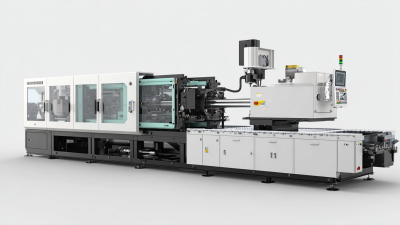
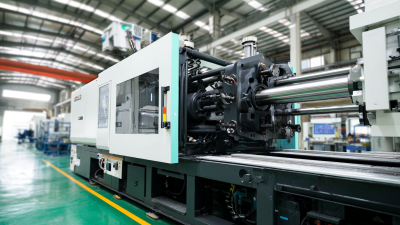
Understanding injection molding machines is crucial for choosing the right equipment. These machines primarily fall into two categories:
hydraulic and
electric.
Hydraulic machines excel in high-pressure applications and are often preferred for their robustness.
Conversely, electric machines are known for their precision and energy efficiency.
Reports from industry analysts show that the global injection molding machine market is projected to reach $26.5 billion by 2026.
This growth highlights the importance of selecting the appropriate technology for your production needs.
When considering an injection molding machine, focus on the production volume and
cycle time. For high-volume production, hydraulic machines may be more suited. They can handle large quantities of material while maintaining quality.
On the other hand, electric machines provide faster cycles and may save on energy costs.
Make sure to evaluate your specific needs before making a decision.
Tips: Assess the compatibility of your materials with the machine type. Some materials perform better with specific machine configurations.
Also, consider the long-term production costs, not just the initial investment.
Reflect on how the machine aligns with your overall manufacturing strategy. Making the right choice can significantly impact productivity and operational efficiency.
Analyzing Production Needs: Volume, Complexity, and Material Compatibility
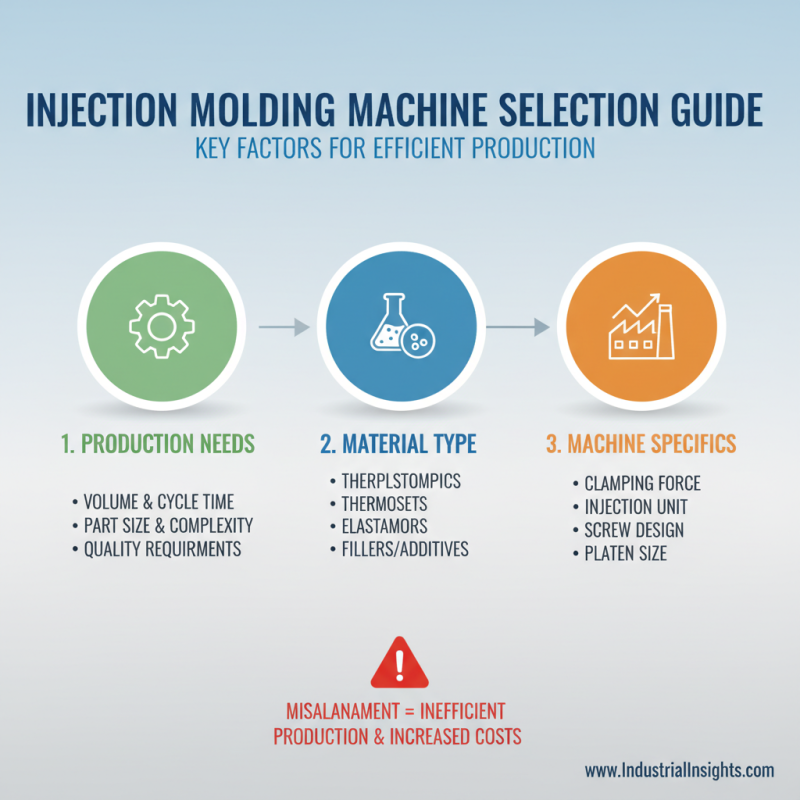
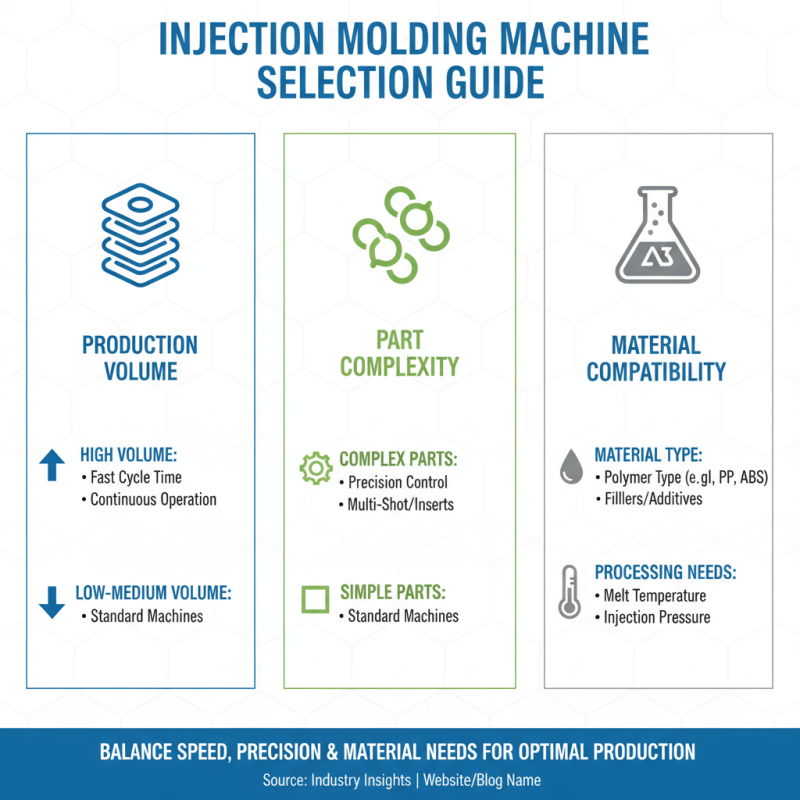
Choosing the right injection molding machine involves careful consideration of production needs. Key factors include volume, complexity, and material compatibility. High-volume production requires machines that can operate efficiently without downtime. If you anticipate producing thousands or even millions of parts, a fast cycle time is crucial. However, higher speed might compromise precision, leading to quality issues. Balancing these aspects can be tricky.
Complexity plays a significant role in decision-making. Intricate designs may need advanced machinery with specialized features. Consider if the parts have undercuts or require precise dimensions. Such complexities may increase the necessity for automation or specialized tooling. Simpler designs can be produced on standard machines, yet even minor complexities can upgrade your choice.
Material compatibility is another vital consideration. Different plastics have varied properties and processing needs. Some machines work well with a broad range of materials, while others do not. Understanding the specific materials you plan to use will directly influence machine selection. Neglecting this can lead to frustrating production issues down the line. Always keep in mind that your initial choice may need adjustments as production demands evolve.
Evaluating Machine Specifications: Clamping Force, Shot Size, and Energy Efficiency
Choosing the right injection molding machine hinges greatly on understanding its specifications. Clamping force is crucial. This force holds the mold closed during injection. A machine with inadequate clamping force may lead to defects. It’s important to calculate the required clamping force based on your mold size and the material used. Always check the specifications.
Shot size is another vital factor. It determines how much plastic is injected into the mold with each cycle. Underestimating shot size can result in incomplete parts. Overestimating may lead to waste and higher costs. Think about the components you plan to produce. Assess their volume and weight carefully.
Energy efficiency is often overlooked but extremely important. Machines that consume less power can save significant costs over time. Look for models that offer energy-saving features. Reflect on your production rates. A machine that’s energy efficient may yield better long-term benefits. Balancing these specifications may require trade-offs. Choosing the right machine isn't always clear-cut. Make informed decisions based on your specific needs.
2026 How to Choose the Right Injection Molding Machine for Your Needs?
| Machine Model |
Clamping Force (tons) |
Shot Size (cm3) |
Energy Efficiency (kWh/kg) |
Weight (kg) |
| Model A |
120 |
300 |
0.4 |
1500 |
| Model B |
80 |
150 |
0.5 |
1000 |
| Model C |
150 |
400 |
0.35 |
1800 |
| Model D |
200 |
500 |
0.3 |
2100 |
Budget Considerations: Cost vs. Features in Injection Molding Machines
When selecting an injection molding machine, budget is often a primary concern. Understanding the balance between cost and features is crucial to make an informed choice. Many machines come with various capabilities. Higher costs might offer advanced features, like faster cycle times or better energy efficiency. However, not every operation needs high-end specifications.
Consider the types of parts you will be producing. If you only need basic functionality, a lower-cost model might suffice. On the other hand, investing in features that boost production speed or reduce scrap rates could yield long-term savings. Think about maintenance costs, too. Cheaper machines may have lower upfront costs, but higher repair expenses can arise over time.
It is essential to reflect on your production scale. A small business may not require all the advanced features larger manufacturers do. Weigh your immediate needs against future growth. Being overly ambitious with equipment can strain your resources. Make sure your choice aligns with your actual production goals rather than just desires for the latest technology.
Injection Molding Machines: Cost vs. Features