What is the Injection Molding Process and How Does It Work?
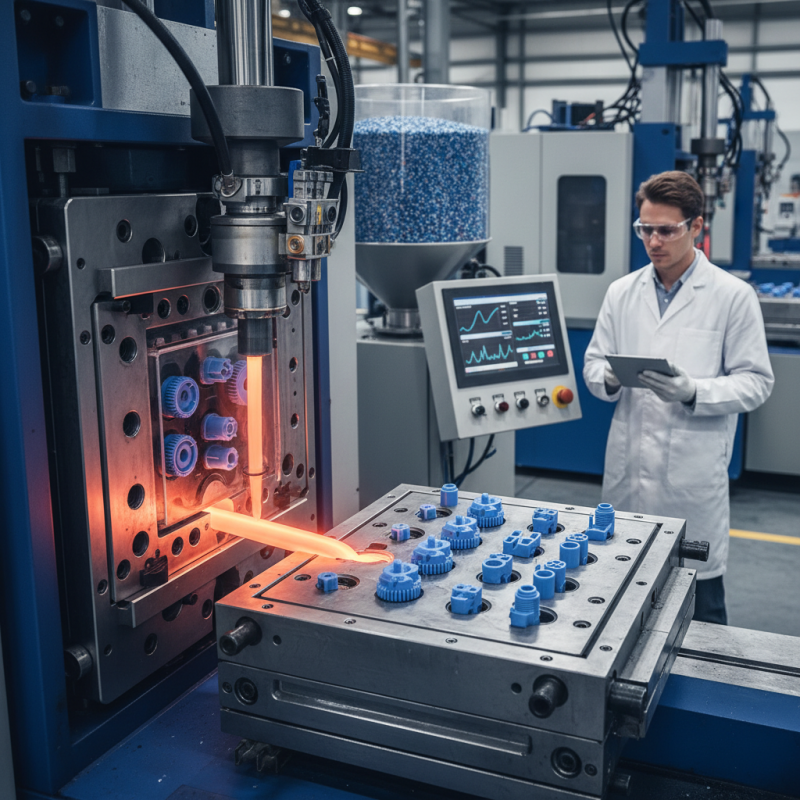
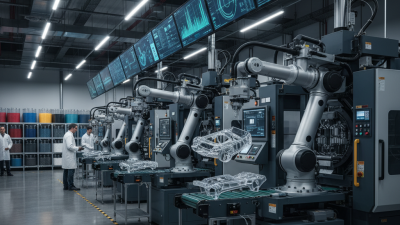
The injection molding process is a widely used technique in manufacturing. It allows for the production of complex plastic parts with precision. This process begins with melting plastic granules. The melted plastic is injected into a mold, where it takes shape.
One advantage of this method is its efficiency. High volumes of products can be created quickly. However, achieving this efficiency comes with challenges. Inconsistencies may arise during production. Factors like temperature and pressure must be monitored carefully.
Understanding the injection molding process helps manufacturers minimize errors. A detailed grasp of each step is crucial. It can lead to better quality control and cost savings. Yet, even experienced professionals can find room for improvement. The process requires constant evaluation and adaptation.
Overview of the Injection Molding Process
The injection molding process is a key manufacturing technique used for producing plastic parts. It involves heating plastic pellets until they melt, then injecting this molten material into a mold. This process allows for precise shaping and can create complex geometries that are difficult to achieve with other methods. According to industry reports, the global injection molding market is projected to reach USD 318 billion by 2025, highlighting its significance in modern manufacturing.
During injection molding, the material cools and solidifies in the mold. This stage requires careful control of temperature and pressure. Any deviation can lead to defects, like warping or incomplete filling. It’s crucial to monitor these parameters closely. A study indicates that 30% of parts fail quality control due to these issues. Thus, maintaining rigorous standards is essential but often neglected due to time constraints or cost-cutting.
The versatility of injection molding allows it to serve various industries, from Automotive to Healthcare. However, it also results in significant waste if not managed properly. Reports suggest that around 20% of the input material can become scrap during production. Manufacturers must continuously reflect on their processes to minimize this waste, improving efficiency and sustainability. The common challenge remains: balancing quality with cost-effectiveness in a competitive market.
Key Components Involved in Injection Molding
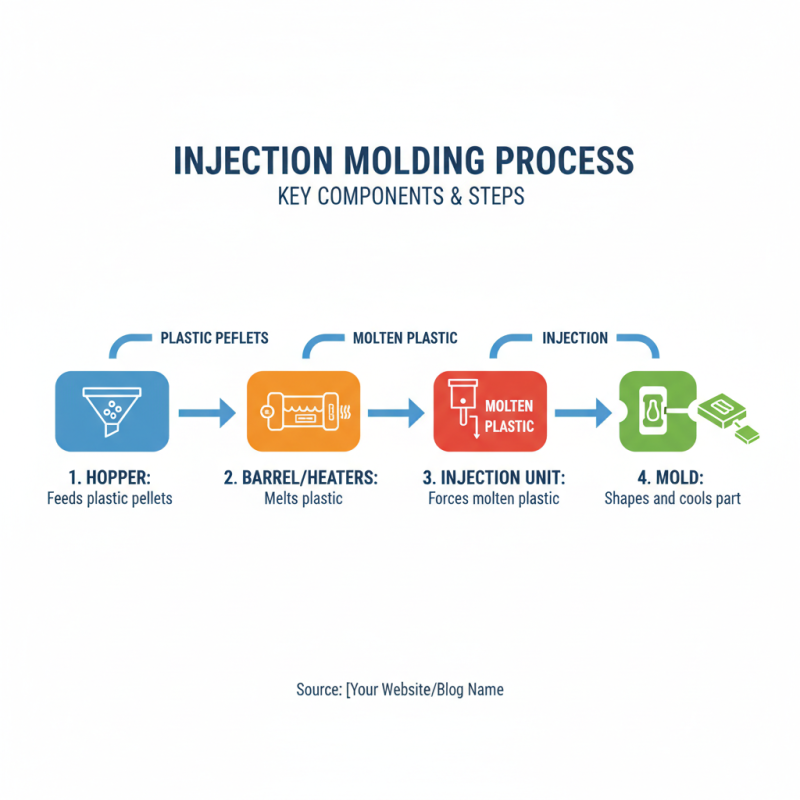
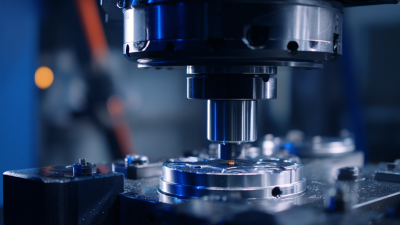
Injection molding is a complex process with several key components. The injection molding machine is at the heart of this operation. It consists of a hopper, barrel, and injection unit. The hopper feeds plastic pellets into the barrel. Heaters warm the plastic until it melts. This molten plastic is then injected into a mold.
The mold itself is another crucial component. It’s designed to shape the plastic as it cools and solidifies. Molds can be made from various materials, including steel or aluminum, depending on the production needs. A well-designed mold ensures high precision. However, creating a perfect mold can be challenging. Even small design flaws can lead to defects in the final product.
Another essential aspect is the cooling system. Once the plastic is injected, it needs to cool down. The cooling channels within the mold assist with this. Proper cooling ensures that the product solidifies correctly without warping. Inconsistent cooling can result in various issues, including uneven surfaces. Each component plays a role in the final outcome, making attention to detail vital in the injection molding process. The interplay between these elements can lead to improvements or, at times, unexpected challenges.
Step-by-Step Procedure of Injection Molding
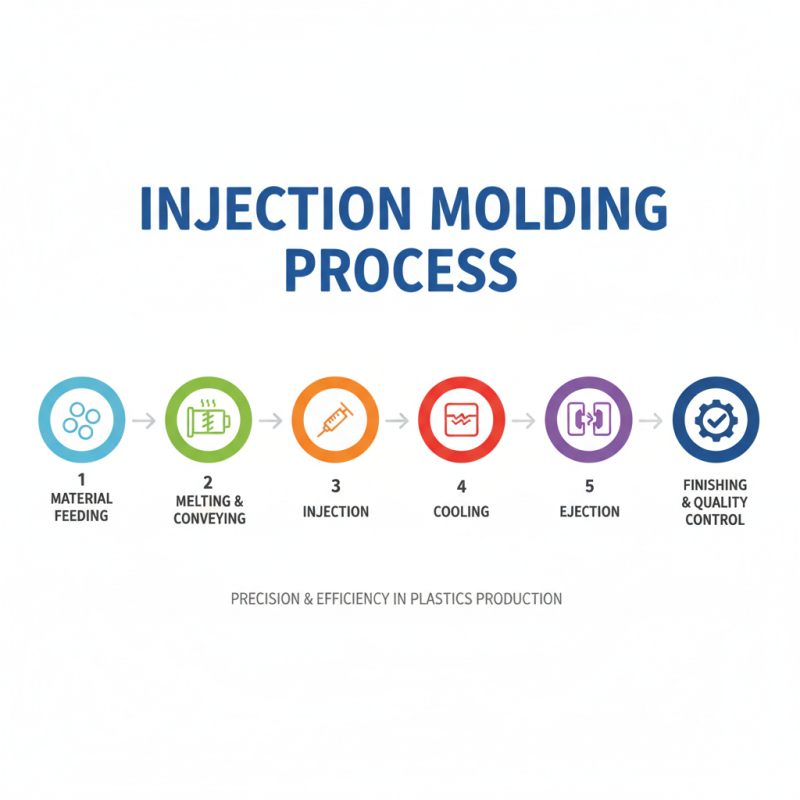
The injection molding process is a key method for producing plastic parts. It involves several steps that ensure precision and efficiency.
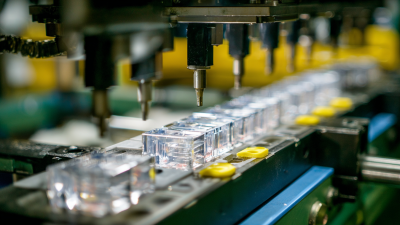
First, raw plastic material is fed into a heated barrel. The temperature melts the plastic. Next, this molten plastic is injected into a mold under high pressure. The mold shapes the plastic into the desired configuration. After cooling, the mold opens, and the solidified part is ejected. This cycle can repeat, producing multiple units quickly.
**Tip:** Keep your mold clean and well-maintained. Dirt or damage can compromise your final product's quality.
The accuracy of this process relies heavily on proper measurements. Even minor discrepancies can lead to significant imperfections. It is vital to monitor the temperature and pressure closely. The cooling time is also critical; too short, and parts may warp. Too long, and production slows down.
**Tip:** Conduct regular quality checks. It’s essential to catch defects early.
Running tests on prototypes can highlight potential issues before full-scale production. Always be prepared for adjustments. Flexibility can save time and resources in the long run.
Materials Used in Injection Molding
Injection molding is a popular manufacturing process that transforms thermoplastics and thermosets into intricate parts. Various materials are used in injection molding, each with unique properties. One common choice is polypropylene, known for its flexibility and resistance to chemicals. It is widely used for automotive components and household items.
Another frequently utilized material is polystyrene. This thermoplastic is easy to mold and can be produced in various densities. Polystyrene is often found in packaging materials and disposable cutlery. Its lightweight nature makes it suitable for many applications.
However, every material has its challenges. For example, while ABS is strong and tough, it may not perform well in high-temperature environments. Understanding the materials’ limitations is crucial for achieving optimal results in the injection molding process. Experimenting with different materials can lead to unexpected outcomes, which often require a rethink of design strategies.
Injection Molding Process: Material Usage
Applications and Industries Benefiting from Injection Molding
Injection molding has gained widespread use across various industries. The automotive sector is a significant consumer of injection-molded parts. In 2022, the global automotive plastic market was valued at over $35 billion. Manufacturers rely on injection molding for producing components like bumpers, dashboards, and interior parts. This method creates durable parts efficiently, which is critical in meeting the industry's high-demand production rates.
Consumer goods also heavily benefit from the injection molding process. This industry uses injection-molded plastics for items like containers, toys, and household products. According to a recent report, the global consumer goods plastic market is expected to grow by 5.2% annually from 2023 to 2030. However, waste management remains a challenge. Many injection-molded products end up in landfills, highlighting the need for sustainable practices.
Furthermore, the medical industry employs injection molding for medical devices and equipment. Precision is crucial here. As reported, the global market for medical plastics is projected to reach $27 billion by 2025. However, the industry struggles with regulatory compliance and the need for continuous innovation. There is a constant push for materials that are both safe and effective, raising questions about current standards and practices in material selection.
What is the Injection Molding Process and How Does It Work? - Applications and Industries Benefiting from Injection Molding
| Application |
Industry |
Material Used |
Advantages |
| Consumer Electronics |
Electronics |
ABS, Polycarbonate |
High dimensional accuracy, low waste |
| Automotive Parts |
Automotive |
Polypropylene, Nylon |
Durability, lightweight |
| Medical Devices |
Medical |
Polyethylene, Polystyrene |
Precision, biocompatibility |
| Home Appliances |
Consumer Goods |
Polypropylene, PVC |
Cost-effective, energy-efficient |
| Packaging |
Food & Beverage |
PET, HDPE |
Custom shapes, lightweight |