What is Medical Injection Moulding and How Does It Work?
Medical injection moulding offers a crucial manufacturing process for the healthcare sector. According to Dr. Alice Thompson, a leading expert in the field, “Precision in medical injection moulding can lead to life-saving innovations.” This statement underscores the importance and impact of this technology in creating medical devices and components.
The process involves injecting molten plastic into a mould, which shapes it into required forms. This method is favored for its ability to produce complex items with high accuracy. Industries rely on medical injection moulding to produce various products, from syringes to intricate surgical instruments. Yet, challenges exist. Quality control is essential, as any flaw can affect patient safety.
As the health industry evolves, the demand for advanced medical injection moulding techniques continues to grow. Manufacturers must address issues like material compatibility and production consistency. While advances are promising, the road ahead requires careful navigation and continuous improvement.
What is Medical Injection Moulding?
Medical injection moulding is a manufacturing process specifically designed for the healthcare sector. It involves producing precision components from thermoplastic materials. These components are vital for various medical devices. The process ensures that parts are created with high accuracy and consistency, which is essential in medical applications.
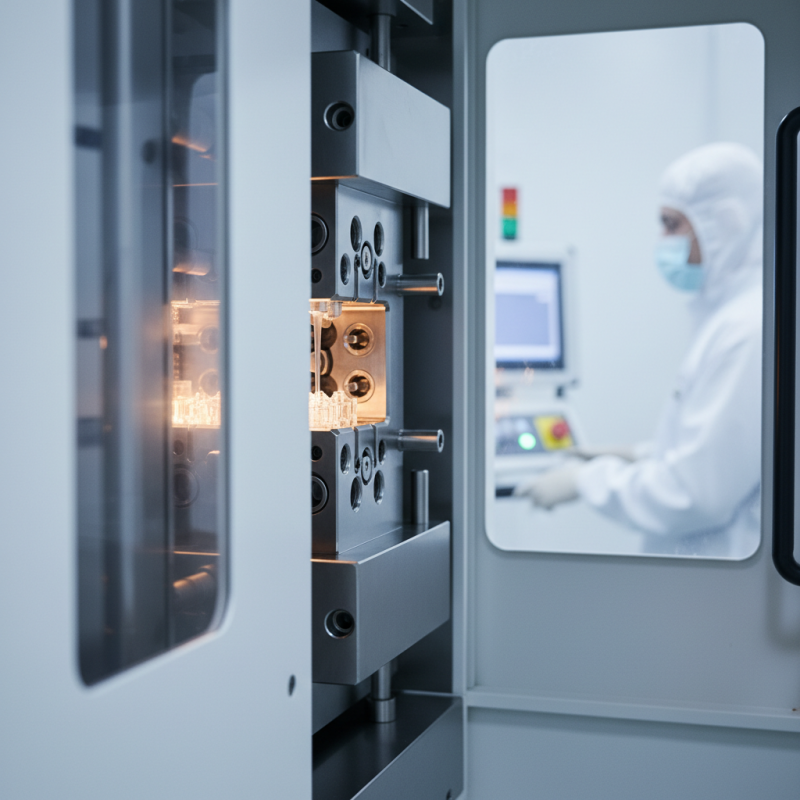
During injection moulding, heated plastic is injected into a mould. This process occurs under controlled conditions to maintain sterility and quality. After cooling, the moulded parts are removed and inspected. This method can produce complex shapes with tight tolerances. However, achieving perfection can be challenging. Variations in temperature or pressure can affect the final product.
In recent years, the demand for customised medical solutions has increased. Medical injection moulding can meet unique specifications for different devices. However, manufacturers must continually evaluate their processes. Small defects can have significant implications in medical applications. Adapting to new technologies is essential but also presents challenges. Continuous improvement is necessary to ensure safety and efficacy in healthcare products.
What is Medical Injection Moulding and How Does It Work?
| Dimension |
Description |
| Process |
A manufacturing process where plastic is melted and injected into a mold to create specific plastic products. |
| Materials Used |
Commonly used materials include thermoplastics and thermosetting plastics that meet medical standards. |
| Applications |
Used for creating medical devices, surgical instruments, and packaging for pharmaceuticals. |
| Advantages |
High precision, short production cycles, and ability to produce complex shapes. |
| Regulatory Compliance |
Must comply with various medical regulations such as ISO 13485 and FDA standards. |
| Environmental Considerations |
Focus on sustainable materials and recycling practices in the manufacturing process. |
Historical Background of Injection Moulding in Medicine
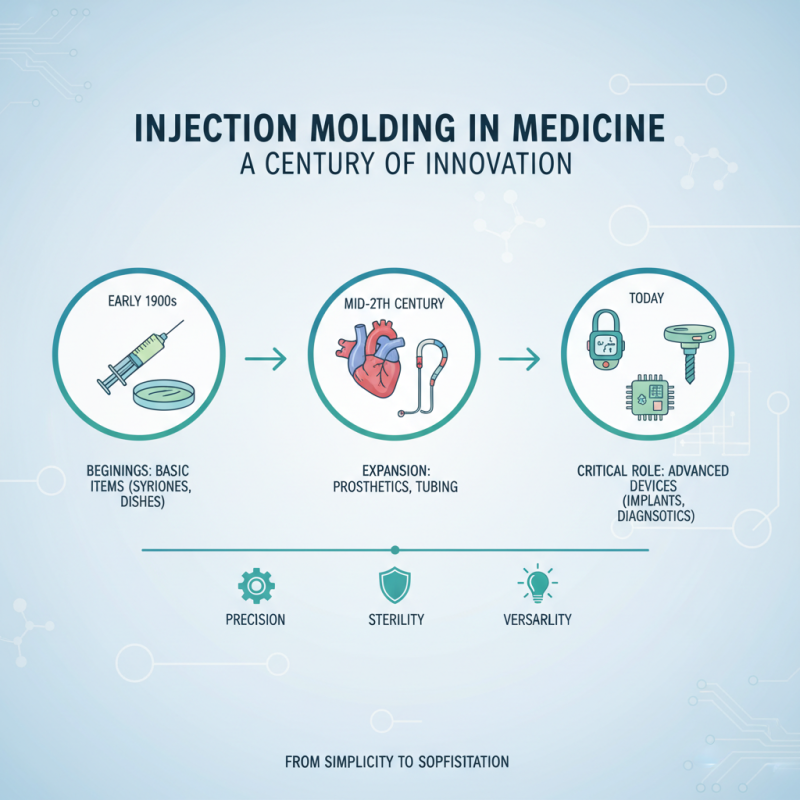
Injection moulding has a rich history in the medical field. This technique dates back to the early 20th century. Initially, it was used for basic items. As technology evolved, the application expanded. Now, injection moulding plays a critical role in manufacturing medical devices.
The process involves melting plastic and injecting it into a mould. Once cooled, a precise shape forms. This allows manufacturers to create complex designs consistently. Medical components, such as syringes and implantable devices, benefit from this method. However, it is not without challenges. Some products may face quality control issues.
**Tips:** When considering injection moulding, think about the material. Not all plastics are suitable for medical use. Choose ones that meet safety standards. It's also crucial to collaborate with experienced professionals. They can help refine designs and improve efficiency. Aim for a balance between cost and quality.
Key Advantages of Medical Injection Moulding Techniques
Medical injection moulding is becoming increasingly essential in the healthcare industry. This technique allows for the precise production of medical devices and components. One significant advantage is the ability to maintain high levels of accuracy. This precision is critical in creating items like syringes and implantable devices.
Another key benefit is the scalability of the process. Once a mold is developed, it can produce thousands of parts quickly. This efficiency can help reduce costs over time. Nevertheless, developing a mold requires careful planning and significant investment. It’s a challenge to get it right the first time.
The material versatility in medical injection moulding is also noteworthy. Manufacturers can use various polymers with different properties. However, selecting the right material can be complex. Some may not perform well with certain sterilization methods. There is always room for improvement in material selection processes to ensure patient safety and device functionality.
Step-by-Step Process of Medical Injection Moulding
Medical injection moulding is a precise manufacturing process. It plays a crucial role in producing medical devices. Understanding the steps involved can shine a light on its importance.
The process begins with material selection. Typically, thermoplastics and polymers are chosen for their biocompatibility. This is followed by material preparation. The selected plastic pellets are heated until they melt. Careful heating is essential to avoid degradation.
Next, the molten material is injected into a mould. This happens under high pressure. The mould shapes the plastic into the desired form. After cooling, the mould opens, and parts are removed. The final products undergo quality checks. Each step must be performed with utmost care. Even minor mistakes can lead to significant consequences. The importance of precision cannot be overstated here.
Medical Injection Moulding Process Efficiency
Applications of Medical Injection Moulding in Healthcare Industry
Medical injection moulding plays a crucial role in the healthcare industry. It allows for the precise production of parts used in medical devices, making manufacturing efficient and cost-effective. This process is vital for items like syringes, catheters, and even surgical instruments. The ability to produce complex shapes with high accuracy meets the stringent standards required in healthcare.
Tips: Always choose a supplier experienced in medical-grade materials. The choice of materials can impact product safety and efficacy. Be mindful of quality control throughout the manufacturing process. Proper testing ensures reliability in clinical settings.
Injection moulding also allows for customization. This is important as medical devices often need specific features, like improved grip or better ergonomics. The ability to produce small batches can be beneficial for developing prototypes. However, challenges remain, including managing production costs and ensuring compliance with regulations. Continuous learning from past projects can enhance future outcomes.
Design plays a key role in the success of injection moulding. Improper design can lead to waste or defects. Regular feedback from healthcare professionals can guide improvements. Balancing innovation with practicality is essential in this field.