What is a plastic injection molding machine and how does it work?
The plastic injection molding machine is a vital tool in manufacturing. Experts like Dr. Emily Chen, an authority in polymer engineering, emphasize its importance. She states, "The precision of a plastic injection molding machine enables complex designs with minimal waste."
This technology transforms raw plastic into finished products. The machine works by heating plastic until it melts. Then, it injects the molten plastic into a mold. This process allows for high-speed production and consistent quality. Yet, it’s not without challenges.
Maintaining the right temperature and pressure is crucial. Small errors can lead to defects. Manufacturers must monitor these parameters closely. Understanding the mechanics of a plastic injection molding machine is essential for optimizing efficiency. Each machine has its unique characteristics, which can complicate things. Continuous learning and adaptation are parts of the process that should never be overlooked.
Definition of Plastic Injection Molding Machine
A plastic injection molding machine is essential in manufacturing. It shapes plastic into various products. This technology serves multiple industries, including automotive, consumer goods, and healthcare. According to industry reports, the global market for plastic injection molding machines was valued at approximately $26 billion in 2020 and is projected to grow.
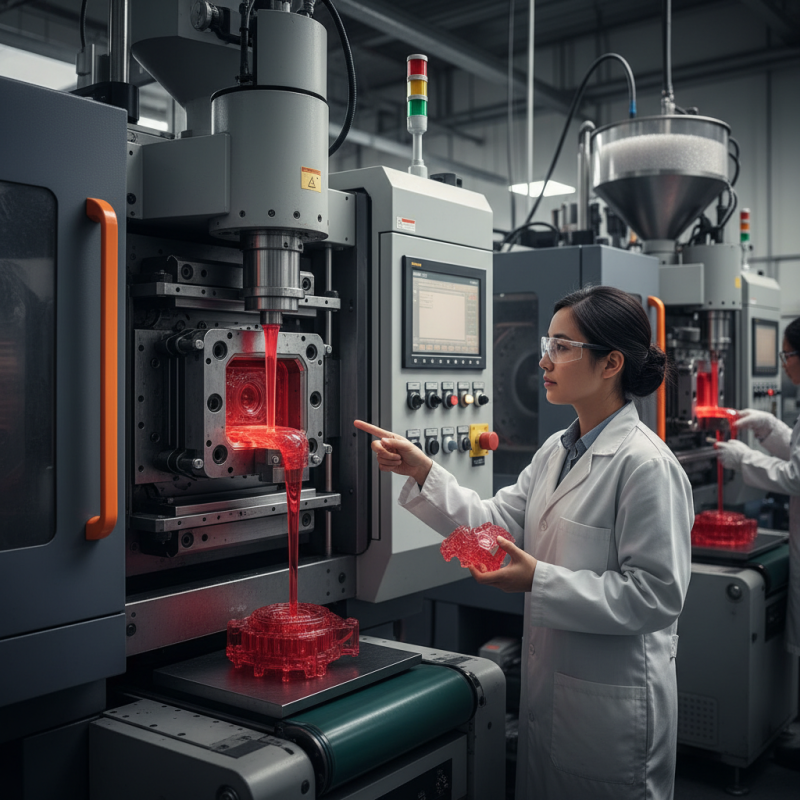
Essentially, a plastic injection molding machine works by heating thermoplastic material until it melts. Once melted, the plastic is injected into a mold cavity. The machine applies pressure to fill the mold completely. After cooling, the mold opens, releasing the finished part. This process can produce thousands of identical items quickly. However, precision and consistency can be challenging.
Despite its efficiency, there are pitfalls. Not all materials respond identically during injection. Variations in temperature and pressure may lead to defects. Recent studies show that around 10% of production may yield rejects due to such issues. Additionally, the initial setup costs of a plastic injection system can be high. Manufacturers need to weigh these factors when investing in this technology.
What is a plastic injection molding machine and how does it work?
| Dimension |
Description |
| Machine Type |
Electric, Hydraulic, Hybrid |
| Clamping Force |
50 to 5000 tons |
| Injection Speed |
Up to 400 mm/s |
| Shot Size |
5 to 1000 grams |
| Cycle Time |
15 to 60 seconds |
| Material Types |
Thermoplastics, Thermosets, Elastomers |
| Applications |
Automotive, Medical, Consumer Products, Electronics |
| Safety Features |
Emergency stop, Safety guards, Sensors |
Key Components of a Plastic Injection Molding Machine
Plastic injection molding machines are essential in manufacturing various plastic products.
Understanding their key components is crucial for optimizing production. The machine mainly consists of three parts:
the injection unit, the clamping unit, and
the control system.
The injection unit melts plastic pellets and injects them into a mold.
This part is also responsible for maintaining the temperature and pressure during the process.
The clamping unit secures the mold in place. It's vital to ensure proper alignment,
as any misalignment can lead to defects. The control system oversees operations, adjusting parameters like temperature and injection speed.
Tip: Regular maintenance of the clamping unit can prevent significant downtime, which can cost companies thousands.
A specific study revealed that poor maintenance can lead to a 20% increase in production costs.
Despite technological advancements, some machines may struggle with consistent performance. This inconsistency can arise from aging components
or inadequate calibration. Addressing these issues early can boost efficiency. Keeping a log of performance metrics helps in identifying
trends that need attention.
Tip: Schedule audits every six months to ensure all components are operating optimally.
Detecting problems early prevents expensive repairs and enhances overall productivity.
The Injection Molding Process: Step-by-Step Breakdown
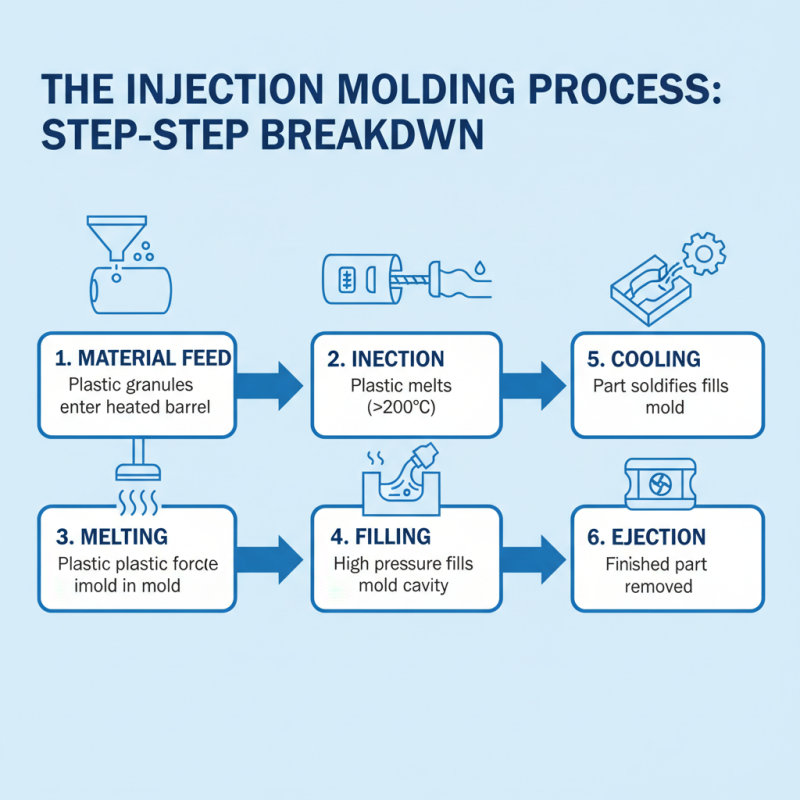
The injection molding process is a fascinating method that produces a wide variety of plastic parts. It starts with material being fed into a heated barrel. In this space, the plastic granules melt. The melting temperature can exceed 200 degrees Celsius, which ensures proper flow into the mold. The molten plastic is then injected into a precisely designed mold cavity under high pressure.
Once inside the mold, the plastic begins to cool and solidify. This cooling phase is critical, as it determines the part's final shape and density. Industry experts estimate that cooling can take anywhere from seconds to several minutes, depending on the part's thickness and complexity. The pressure used during injection can reach over 1,500 psi. After cooling, the mold opens, and the part is ejected, often with the help of ejector pins.
While the process seems straightforward, challenges arise. Variations in temperature and pressure can lead to defects. Issues such as warping, sink marks, and short shots may occur. According to recent reports, about 20% of molded parts require rework due to such defects. Continuous optimization of the injection molding parameters is vital for improving quality and reducing waste in production.
Applications and Industries Utilizing Injection Molding
Injection molding is widely used across various industries, significantly impacting production efficiency. The automotive sector is one of the largest users. In 2023, it accounted for about 29% of the global injection molding market. This figure demonstrates the reliance of auto manufacturers on this technology for producing complex parts. Light-weight components like dashboard covers, bumpers, and enclosures are common examples. These parts require durability and precision, which injection molding provides.
The consumer goods industry also heavily employs injection molding for product manufacturing. Items like packaging, containers, and home appliances benefit from this technique. In fact, reports show that consumer goods represented nearly 25% of the market share in recent years. The repetitive nature of the process allows for consistent quality, but it often raises concerns over sustainability. Plastic waste from this sector remains a significant dilemma.
Medical devices represent another critical area utilizing injection molding technology. Sterile and precise components are vital. The medical industry expects zero defects. However, achieving this level of quality can be challenging. Reports indicate that around 15% of defects arise in production, emphasizing the need for rigorous quality checks. Addressing these issues is crucial for maintaining trust in medical products.
Applications of Plastic Injection Molding in Various Industries
Advantages and Disadvantages of Plastic Injection Molding
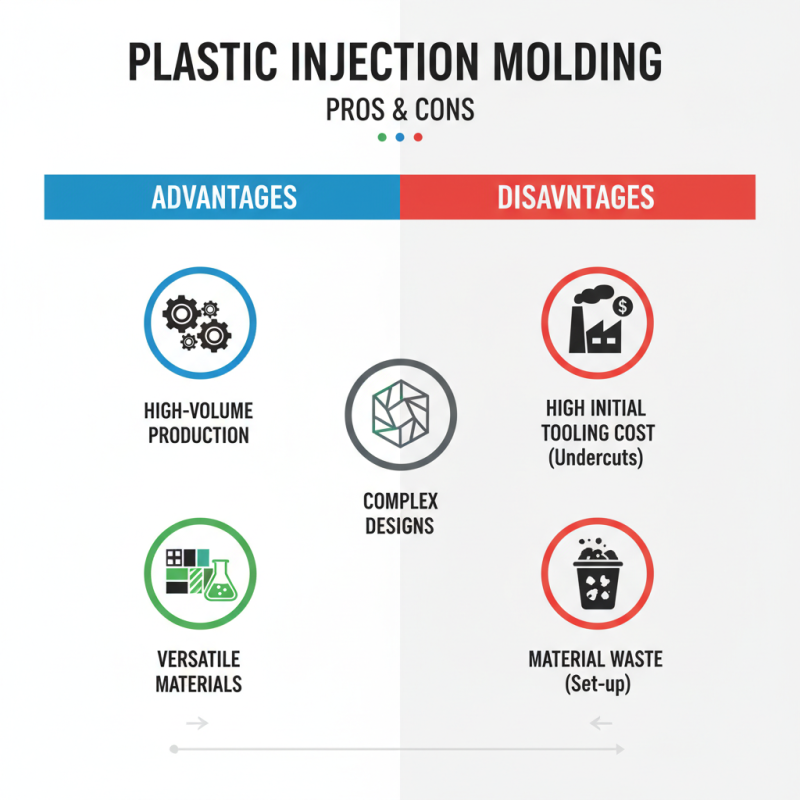
Plastic injection molding offers numerous advantages. This manufacturing technique produces high volumes of parts efficiently. The process allows for complex designs, achieving intricate shapes that would be difficult to make with other methods. The materials used can be diverse, including various types of thermoplastics. This versatility makes it ideal for many industries, from automotive to consumer goods.
However, there are notable disadvantages. The initial setup costs can be high. Creating molds requires significant investment, which may not be feasible for small runs. Additionally, cycle times can vary, affecting production speed. Quality control can also be challenging when scaling up production.
**Tip:** Always evaluate your production needs before choosing injection molding.
Injection molding isn't perfect. It can result in wasted material, especially if molds aren't used efficiently. Parts may need finishing, and this can add to the timeline. Reworking defective pieces consumes time and resources, creating potential bottlenecks.
**Tip:** Invest in quality control measures to minimize defects.
Despite its shortcomings, plastic injection molding remains a popular choice. Understanding its advantages and disadvantages can lead to better decision-making in manufacturing.