
What Is a Pop Up Canopy and How Does It Work?

A Pop Up Canopy can turn an open patch of ground into a shaded, sheltered space within minutes. Its frame expands like an accordion, while a fabric cover stretches over the top. Many models use folding legs, sliding joints, and locking buttons to hold the structure open. The idea is simple. The setup still deserves care.

Picture a four-legged frame unfolding beside a picnic table. One person steadies a corner while another opens the frame evenly. The canopy fabric then sits across the upper supports, and each leg adjusts to the desired height. Before use, check that the joints lock and the feet rest on stable ground. Wind can catch the broad fabric surface, so a canopy should be secured with suitable weights or stakes where appropriate. It is not a substitute for a permanent shelter, and operating instructions vary by model.

This guide explains what a Pop Up Canopy is, how its parts work together, and what to consider during setup and care. It also points out a practical limitation: quick assembly does not make every model suitable for every site or weather condition. No source article or verifiable expert quotation was provided, so I have not attributed a statement to a named specialist. A sourced quotation should be checked against the expert’s original words before publication.
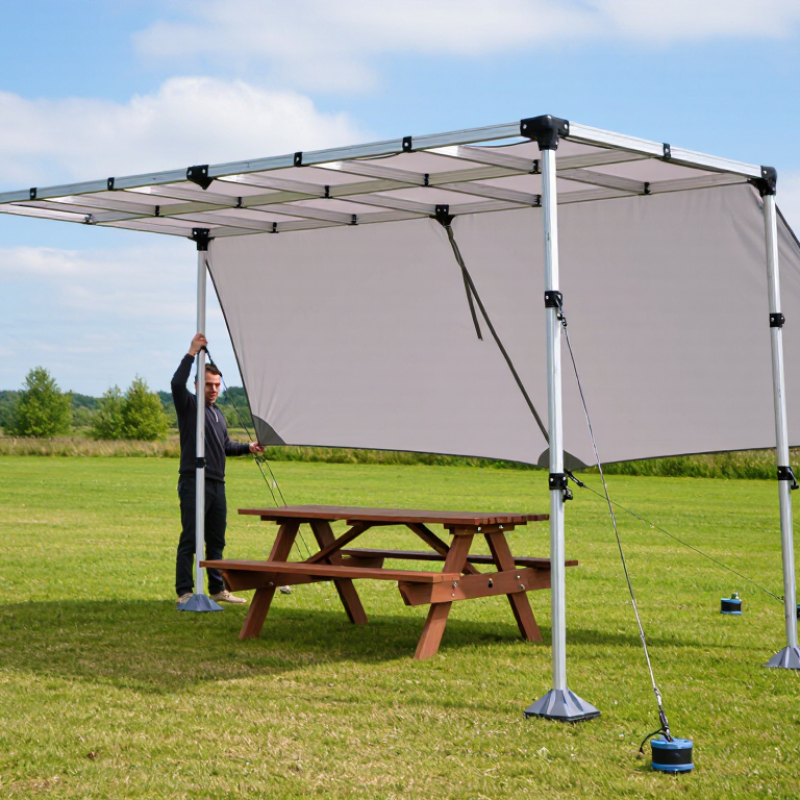
What Is a Pop Up Canopy and How Does It Work?

Definition and Purpose of a Pop-Up Canopy

A pop-up canopy is a portable shelter with a folding frame and a fabric roof. It opens without permanent posts or construction, creating temporary shade over a table, checkout area, picnic spot, or work zone. Most models use linked metal legs that extend outward and lock in place. The roof fabric stretches across the frame, while adjustable legs help level it on uneven ground. The label sounds simple. Setup can still feel awkward in a breeze, so secure the legs and follow the maker’s instructions.

Its main purpose is to reduce direct sun exposure and provide a defined, covered space outdoors. Shade matters: the American Academy of Dermatology estimates that one in five Americans will develop skin cancer by age 70. A canopy can help limit direct sunlight, but it does not block all UV rays; reflected light and open sides still matter. Think of it as a useful layer, not complete protection.

The CDC’s MMWR report “Heat-Related Deaths—United States, 2004–2018” recorded 10,527 heat-related deaths, averaging about 702 per year. A canopy may offer a shaded place to pause, but it does not lower air temperature or prevent heat illness by itself. Water, breaks, and attentive supervision remain important.

Main Components of a Pop-Up Canopy

A pop-up canopy is a temporary shelter built around a folding frame and a fabric roof. The frame usually uses linked metal or composite poles, with hinged joints that let the structure open and fold. When the legs spread apart, the joints extend and hold the roof’s shape. Keep fingers clear of the hinges; they can pinch during setup.

The canopy top is commonly made from coated fabric, with reinforced corners attached to the frame. Its sloping panels help shed light rain, while the fabric blocks direct sun. Seams and attachment points matter: a small gap or loose corner can flap loudly in a breeze. The roof is not a substitute for a solid rain shelter.

Telescoping legs set the canopy’s height, and locking pins or buttons keep them in position. Wide feet spread the load across the ground, while stakes or compatible weights help limit movement in wind. Check that each leg locks before placing anything beneath the roof. A frame may look open, yet one partly folded joint can leave it unstable.

On hard pavement, stakes may not be an option, so suitable weights become especially important. It is easy to overlook the feet. Don’t.

How the Folding Frame Opens and Locks

A pop-up canopy relies on a folding scissor frame, not a solid one-piece roof. When you pull opposite corners apart, hinged crossbars rotate and the frame expands. A central hub slides along the frame’s support, helping the roof lift into shape. Keep fingers clear of the joints; the bars can pinch as they close.

Near full extension, locking pins or spring-loaded buttons engage at the frame joints or leg sliders. Push each leg outward until its lock seats, then check that the pin is visible and the joint feels firm. That click matters. A canopy can look open while one side remains partly unlocked. On uneven ground, the frame may also twist, so adjust the legs and recheck every lock before adding the top fabric.

Wind can load the frame quickly. ASCE/SEI 7-22 uses a velocity-pressure method in which pressure rises with the square of wind speed. A basic estimate at standard air density is about 1.0 pound per square foot at 20 mph and 2.3 pounds at 30 mph, before exposure and gust factors. Those figures are not a canopy wind rating, but they show why a few extra miles per hour matter. Use the maker’s limits, secure the legs as directed, and fold the canopy if conditions become unstable. The frame is convenient, not invincible.

How the Canopy Provides Shelter and Stability

What Is a Pop Up Canopy and How Does It Work?

How the Canopy Provides Shelter and Stability

A pop-up canopy uses a folding frame to hold fabric above an open area. Its roof sheds light rain and creates shade, while the legs transfer the structure’s weight to the ground. Tension across the fabric helps it keep its shape. Loose fabric can flap, collect water, and pull against the frame. Small parts matter.

Stability depends on more than the frame. Set the legs on firm, level ground, lock the joints, and secure each foot with suitable stakes or weights.

The National Weather Service’s Beaufort Wind Scale notes that 25–31 mph winds can move large branches. That figure is not a canopy wind rating, but it shows why gusts deserve attention.

A canopy can catch wind like a sail; follow its setup guidance and take it down when conditions worsen.

Shade also has limits. The World Health Organization’s Global Solar UV Index guide recommends sun protection when the UV Index reaches 3 or higher. Fabric overhead does not block every ray, especially near open sides or reflective pavement.

Check the forecast, inspect the anchors, and notice what is underfoot. A calm morning can change.

Common Uses and Performance Factors

A pop-up canopy turns an open patch of ground into a quick shelter for market stalls, sports sidelines, outdoor dining, and temporary work areas. Its folding frame spreads beneath a fabric roof, usually supported by telescoping legs. Setup is fast, but stability depends on more than convenience: frame joints, roof fabric, leg locks, and secure anchoring all matter. A loose leg on uneven grass can make the whole shelter wobble.

Performance changes with sun, rain, and wind. The U.S. Environmental Protection Agency’s UV Index scale runs from 0 to 11+, and it recommends sun protection when the index reaches 3. A canopy provides useful shade, but reflected UV and open sides mean it is not complete sun protection. For rain, inspect seams and roof slope; pooled water adds strain. Wind is less forgiving. Use the manufacturer’s stated limits, anchor every leg, and take the canopy down when conditions worsen. There is no single wind rating that applies to every model.

Tips: Choose a level surface, lock each joint, and use weighted anchors suited to the ground. Check the forecast before events. A shaded table can still become hot, and that detail is easy to overlook. After use, dry the fabric fully before storage to help prevent mildew.