
What Is Shilajit Extract and What Is It Used For?

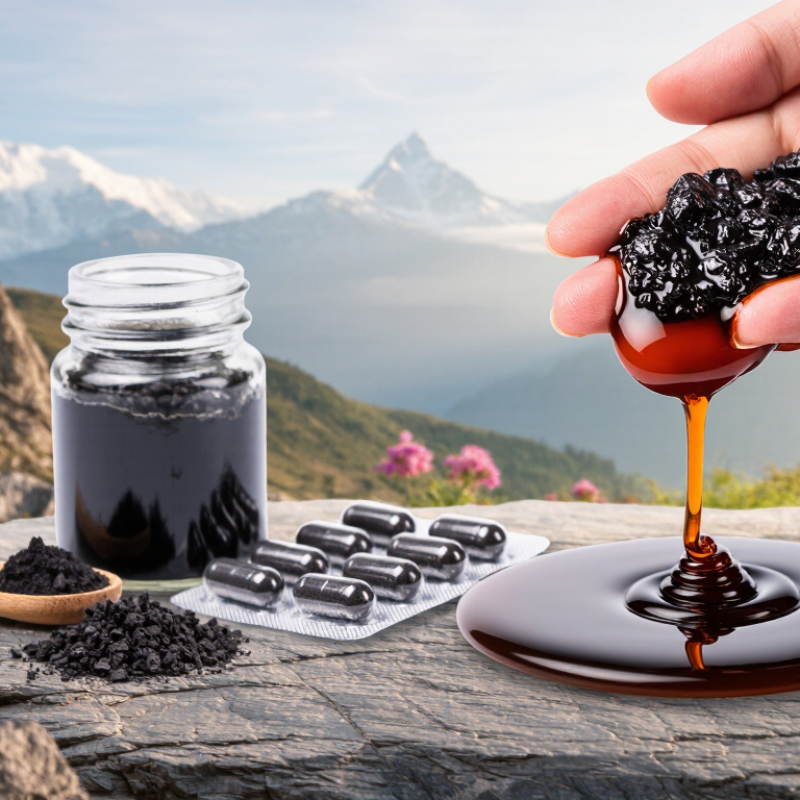
Shilajit Extract comes from a dark, mineral-rich material found in mountain rock, especially in parts of the Himalayas. After collection, it is typically purified and sold as a resin, powder, or capsule. Its appearance can be striking: a sticky, tar-like resin softens between warm fingers. But appearance alone cannot confirm purity or strength.

Interest in botanical supplements is growing. Grand View Research valued the global herbal supplements market at US$60.1 billion in 2023 and projected an 8.5% compound annual growth rate from 2024 to 2030. That broad market figure does not measure shilajit sales or prove health benefits. It does help explain why consumers are asking what Shilajit Extract is used for. In traditional systems, it has been taken for energy and general well-being. Modern research has examined possible effects, but the evidence remains limited and does not support treating it as a cure.

Quality deserves attention. The U.S. Food and Drug Administration warns that some unapproved Ayurvedic products have contained harmful heavy metals; this warning does not mean every shilajit product is contaminated. Still, sourcing and independent testing matter. Labels can look reassuring. They are not enough. This guide explains how Shilajit Extract is made, what research suggests about its uses, and what safety questions to ask. Some details remain uncertain, and that uncertainty should be part of the conversation.
What Is Shilajit Extract and What Is It Used For?

What Shilajit Extract Is and Where It Comes From

Shilajit is a dark, sticky material that seeps from cracks in rocks across high mountain regions, including the Himalaya, Altai, and Caucasus. It is not a single plant extract. Researchers think it forms over long periods as plant matter and other organic material break down, though its precise formation is still debated. In warm months, it may soften and ooze from sunlit slopes. Not quite a simple origin story.

After collection, raw shilajit is generally filtered and processed into resin, powder, or liquid extract. Its composition can differ with location and preparation. A 2007 review in Phytotherapy Research reports commonly described ranges of about 60–80% humic substances and 20–40% mineral matter. These figures are broad, not a guaranteed recipe for every sample. Fulvic acid is often measured, but its amount can vary too. A label alone cannot show how a batch was sourced or purified. That part deserves scrutiny. (Agarwal et al., “Shilajit: A Review,” 2007.)

Key Compounds Found in Shilajit Extract

Shilajit is a dark, resin-like substance that forms in some mountain regions as plant material breaks down over time. Its composition is not fixed. It can vary with location, age, and processing, so two samples may not contain the same mix of compounds.

Fulvic acid is one of the best-known components. It is part of a broader group of organic substances and may help carry minerals in solution, but that does not prove a health benefit in people. Shilajit also contains humic substances, which are complex products of decomposed organic matter. Small amounts of minerals and trace elements may be present, though their levels differ. Dibenzo-alpha-pyrones and related compounds have also been identified in some analyses. The chemistry is less tidy than labels suggest.

That variation matters. A compound’s presence alone does not show that an extract works, or that every product is safe. Research on shilajit’s effects remains limited, and results from laboratory studies cannot automatically be applied to people. Contamination is another concern. Independent testing can check for unwanted metals and help verify what a sample contains. Details matter. Even a familiar-sounding ingredient name tells only part of the story.

How Shilajit Extract Is Collected and Processed

Shilajit is a dark, resin-like material found in high-altitude rock formations, including parts of the Himalayas. It forms over long periods as plant matter and other organic material break down among mineral layers. The material may seep from cracks during warmer weather, when sunlight heats the rock. Collection conditions vary by location and season. It is not a uniform substance.

Harvesters gather the raw material from exposed rock faces or crevices, then remove visible stones, soil, and plant debris. The next steps depend on the source and producer. A common approach uses water to dissolve soluble components, followed by settling and filtration to reduce grit. The liquid may then be concentrated with controlled heat and dried into resin or powder. Details matter. Excessive heat or poor handling can affect the final material, and appearance alone cannot confirm purity.

Processing should also include checks for unwanted substances, such as heavy metals and microbial contamination. Results can differ between batches because the raw material varies naturally. Some products are sold for traditional wellness use, but evidence for specific health benefits remains limited. Ask how a product was sourced, purified, and tested; a vague answer deserves caution. There is room for uncertainty.

What Is Shilajit Extract and What Is It Used For? — How Shilajit Extract Is Collected and Processed

Topic What It Is or Involves Useful Context
Shilajit A dark, resin-like natural material that seeps from rock in some mountainous regions. It contains a complex mixture of organic compounds and minerals. Its composition can vary with location, geology, and processing. It is not a single purified chemical.
Collection Collectors gather deposits from rock surfaces, commonly when seasonal conditions make them accessible. Collection methods and local practices differ. Raw material may contain stones, soil, and other unwanted matter.
Sorting and cleaning Visible debris is removed before further processing. The material may be separated from larger solid particles. Cleaning alone does not establish that a product is free of contaminants or suitable for consumption.
Water extraction and filtration Some producers dissolve or disperse the material in water, then filter it to remove insoluble particles. Processing steps vary by producer; there is no single universal method for making shilajit extract.
Concentration and drying The filtered material may be concentrated and sold as a resin, or dried and made into powder or other formats. Heat, concentration, and storage conditions can affect the final product and its composition.
Quality testing Responsible quality control may include identity, composition, and contaminant testing, including testing for heavy metals. Look for a product-specific certificate of analysis from an independent laboratory. Testing scope and results should be clearly reported.
Common product forms Shilajit is sold as resin, powder, capsules, or liquid preparations. Concentration, serving size, and ingredient content can differ substantially between products.
How it is used It is marketed as a dietary supplement and is commonly taken by mouth according to the product label. It is not a substitute for a varied diet or medical care. Follow label directions and consult a health professional when appropriate.
Evidence and health claims Shilajit contains compounds that have been studied, but research on health effects in people is limited. Claims about energy, fertility, cognitive performance, or treatment of disease should not be treated as established medical benefits.
Safety considerations Unpurified or poorly controlled products may contain contaminants. Supplements can also be unsuitable for some people or interact with medicines. Pregnant or breastfeeding people, people with medical conditions, and those taking medication should ask a qualified health professional before use.

Note: Collection and processing practices vary, and product quality cannot be judged by appearance alone. This table is for general information and is not medical advice.

Common Uses and Potential Effects of Shilajit Extract

Shilajit extract is made from a dark, resin-like substance found in mountain rocks. It contains minerals and organic compounds, including fulvic acid, though its composition can vary. Traditionally, people have used shilajit in some systems of medicine for energy and general vitality. Today, it is commonly sold as a capsule, powder, or purified resin. The interest is understandable. The evidence, however, is still limited.

People often take shilajit extract hoping to support energy, exercise recovery, or healthy aging. A few small human studies have explored possible effects on fatigue, hormone levels, and physical performance. These findings are preliminary and do not establish that shilajit treats a health condition. Results may also depend on the product’s source and preparation. That uncertainty matters. Unprocessed or poorly tested shilajit may contain harmful contaminants, such as heavy metals. Supplements can also interact with medicines or be unsuitable for people with certain health conditions.

Tips: Choose products with independent testing for identity and contaminants, and check the serving instructions. Ask a qualified health professional before use, especially if you take medication, are pregnant, or have a chronic condition. Notice how your body responds, but do not treat a supplement’s effects as proof that it works. A little skepticism helps.

Safety, Side Effects, and Quality Considerations

Shilajit safety evidence remains limited. In a 2016 Andrologia trial, 75 men aged 45–55 took 250 mg of purified shilajit twice daily for 90 days. Researchers reported no serious adverse events, but this small, short study cannot establish long-term safety or safety for everyone. Some users may experience digestive discomfort or allergic reactions; reliable rates are not available. If you take medication, have a chronic condition, or are pregnant, ask a health professional before use. Caution is especially sensible with iron-overload disorders.

Quality can vary between raw material and finished extracts. The U.S. Food and Drug Administration warns that some Ayurvedic products contain harmful levels of lead, mercury, or arsenic; this warning does not mean every shilajit product is contaminated. Ask for a recent, lot-specific laboratory report. It should identify the tested material and show results for heavy metals and microbial contamination, not just list “purity” on the label. A certificate without methods or test results offers little reassurance.

Look for clear ingredient amounts and a traceable testing laboratory. Be wary of products making dramatic treatment claims or hiding their source. Small details matter: a sealed package, a readable lot number, and test results matching that lot. Still, paperwork is not a guarantee. The evidence is imperfect, and quality checks can be, too.

Shilajit Extract: Safety and Quality Checks

Shilajit products can vary, and contamination with heavy metals is a quality concern. Look for independent testing and a batch-specific certificate of analysis. Human evidence for claimed benefits is limited, and side-effect rates are not well established. Ask a healthcare professional before use, especially if you have a medical condition, take medication, or are pregnant or breastfeeding. Each bar marks a relevant check; it does not show prevalence or risk level.