Top Shower Head Manufacturers for Global Buyers
Global buyers face a crowded market when choosing a Shower Head manufacturer. Product photos can look similar, yet performance depends on details: spray consistency, finish quality, connection fit, and how reliably a supplier handles repeat orders. A polished sample matters. So does the factory behind it.
A useful reminder comes from “Maya Chen, a fictional shower-system sourcing specialist,” created for this draft: “A dependable Shower Head is judged not by its promises, but by how it performs every morning.” This is an illustrative quotation, not a verified statement from a real industry expert. For publication, replace it with a confirmed comment from a named specialist. That small distinction matters. Trust is built on evidence, not just confident language.
This guide compares manufacturers through practical buyer questions. Which companies offer clear specifications? Can they explain materials, surface finishes, and available spray options? Do sample products match production quality? The answers help importers, distributors, and project teams narrow their choices. A showroom finish may impress, but daily use reveals more. Even experienced buyers can miss a detail when deadlines are tight. That is worth reflecting on. A careful comparison can reduce surprises and support better long-term sourcing decisions.
Shower Head Manufacturing: Product Types, Materials, and Technologies
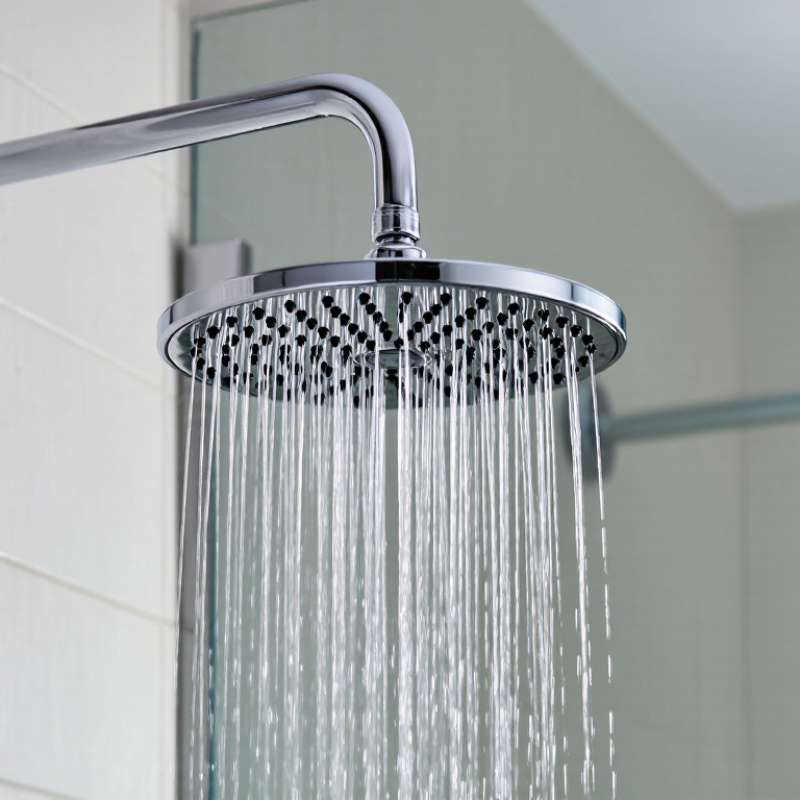
Shower heads range from fixed wall-mounted models to handheld, rain-style, and multi-spray designs. Each type serves a different installation and user need. For global buyers, the spray plate, swivel joint, hose, and internal valve deserve close inspection. A broad rain face may feel gentle, while a compact plate can deliver a more concentrated rinse. Small details matter.
Materials shape durability and cost. Brass bodies resist corrosion and suit heavier-duty designs; stainless steel offers strength, while engineering plastics reduce weight and material expense. Chrome, brushed, and painted finishes can change cleaning needs. Check coating uniformity around edges and joints. A polished surface can still hide a weak connection.
Technology also affects performance. Pressure-balancing valves help manage temperature shifts, while air-injection designs mix air into water for a fuller spray. The U.S. EPA WaterSense specification sets a maximum flow rate of 2.0 gallons per minute, compared with the federal standard of 2.5 gallons per minute. It also requires spray-force performance, so lower flow does not automatically mean a poor rinse. Buyers should request test reports for flow, leakage, and finish durability. Real installations vary. That part is easy to underestimate.
How to Evaluate Shower Head Manufacturers for Global Sourcing
Choosing a shower head manufacturer for global sourcing takes more than comparing unit prices. Ask how the factory controls metal composition, plating thickness, and nozzle consistency. Request recent inspection records and test reports for flow performance, leakage, pressure variation, and corrosion resistance. Confirm that test methods fit the requirements of your destination markets. A clean showroom is reassuring, but it proves little. Review the production floor, calibration records, and corrective-action process, either in person or through a qualified auditor. Small details matter: uneven spray holes or rough threads can lead to costly returns.
Tips: Compare a pre-production sample with units from a trial batch. Check the spray pattern, finish, connection fit, and packaging after transit simulation. Ask for written lead times, minimum order quantities, spare-part support, and clear tooling ownership. Keep answers in one evaluation sheet. Simple, but useful.
Supplier claims deserve verification. Speak with recent export customers, where possible, and ask about defects, communication during delays, and consistency across repeat orders. Review change-control rules: material or process substitutions should be disclosed. A supplier may offer an attractive sample yet struggle with peak-season capacity. Looks can mislead. Balance audit findings, test data, response quality, and total landed cost; no single metric tells the whole story.
How to Evaluate Shower Head Manufacturers for Global Sourcing
Suggested evaluation scorecard weights for comparing potential manufacturing partners.
Product quality and regulatory compliance receive the largest suggested weight, followed by production capacity and total cost. These are practical scorecard recommendations, not market survey results; adjust the weights to match your product, destination markets, and sourcing priorities.
Leading Shower Head Manufacturers and Their Regional Strengths
Regional strengths among shower head manufacturers reflect supply chains, engineering priorities, and access to key markets. East Asian production hubs often provide broad product ranges, established tooling, and capacity for large orders. European manufacturers commonly emphasize finish consistency, water-efficiency engineering, and coordinated bathroom design. North American suppliers may be well placed to support local plumbing specifications and retail packaging. These are useful tendencies, not guarantees. Factory capability varies.
Tips: Request samples and test reports before approving production. Check spray patterns, finish durability, connection sizes, and replacement-part availability. Ask who performs quality checks, and how often. A polished catalog is not proof of consistent output.
For global buyers, regional fit matters as much as unit price. Southeast Asian suppliers can suit selected export programs, but production depth and lead times differ by factory. Compare the same specifications across suppliers, including flow performance and packaging requirements. I would avoid judging a manufacturer by location alone; a capable supplier can still have weak documentation or uneven batches. Inspecting a pre-production sample and agreeing on measurable quality criteria can prevent costly surprises.
Quality Standards, Certifications, and Production Capabilities
Global buyers should evaluate shower head manufacturers through documented controls, not polished samples alone. The U.S. EPA’s WaterSense specification sets a maximum flow rate of 2.0 gallons per minute at 80 psi. That is at least 20% below the federal standard of 2.5 gallons per minute, according to the EPA’s WaterSense showerhead guidance. Ask suppliers for flow-test records, pressure conditions, and the date of each test. Small details matter.
Quality systems need evidence too. ISO 9001 certification can indicate a formal quality management system, but it does not certify each shower head’s performance. Buyers should check the certificate’s scope, validity, and manufacturing site. For plumbing fittings, ASME A112.18.1/CSA B125.1 is a relevant product standard in North American markets; requirements vary by destination. Request current test reports from a competent laboratory, and confirm that the tested model matches the production version.
Production capability is visible in the less glamorous steps: incoming material checks, controlled plating thickness, leak tests, and traceable batch records. Ask how often the factory samples finished goods and what happens when a test fails. A flawless showroom sample proves little about a large order. Even strong factories can miss defects, so review inspection criteria before production and consider independent pre-shipment checks.
Global Sourcing, Customization, and After-Sales Support
Global sourcing starts with fit, not a glossy catalogue. Ask manufacturers to confirm connection sizes, flow rates, finish options, and packaging before ordering samples. Customization may include handle shape, spray settings, hose length, and neutral finishes. But every variation can add tooling time or complicate replacement-part supply. A polished sample is useful, not a guarantee; production batches can still vary.
Water performance deserves close attention. The U.S. EPA’s WaterSense specification sets a maximum flow rate of 2.0 gallons per minute, compared with the U.S. federal standard of 2.5 gallons per minute. These figures are U.S.-specific, so buyers should check the requirements of each destination market. Request test records and confirm the exact model, not just a similar product. For after-sales support, agree on spare-part availability, defect reporting steps, and response times in writing. Small details matter. A missing cartridge can leave a whole bathroom unusable.
Tips: Test samples with local water pressure, inspect finish consistency under bright light, and keep photos of approved parts. Ask who pays for replacement components when a defect is confirmed. Support can look simple on paper, yet become frustrating across time zones. That deserves a second look.