Top Injection Molding Inserts for Efficient Manufacturing Solutions?
In the competitive landscape of manufacturing, efficient processes are crucial. One essential component in this arena is injection molding inserts. They play a vital role in enhancing productivity and lowering costs. According to a recent industry report by Grand View Research, the global injection molding market is expected to reach $335.6 billion by 2027, driven by the demand for lightweight materials and intricate designs.
Injection molding inserts have revolutionized the way manufacturers create complex parts. The right inserts can significantly reduce cycle times and improve product quality. For instance, a study from Plastics Technology highlighted that utilizing advanced inserts can lead to a 30% increase in production efficiency. However, the choice of materials and design can greatly affect overall performance, presenting both opportunities and challenges.
While the benefits are clear, companies often overlook the need for continual assessment of their insert choices. Ensuring that the selected inserts align with evolving market trends and demands is critical. Innovations in this area require ongoing learning and adaptation. Therefore, selecting the right injection molding inserts is not just a matter of cost; it is a strategic decision that can define a company's success.
Key Characteristics of High-Quality Injection Molding Inserts
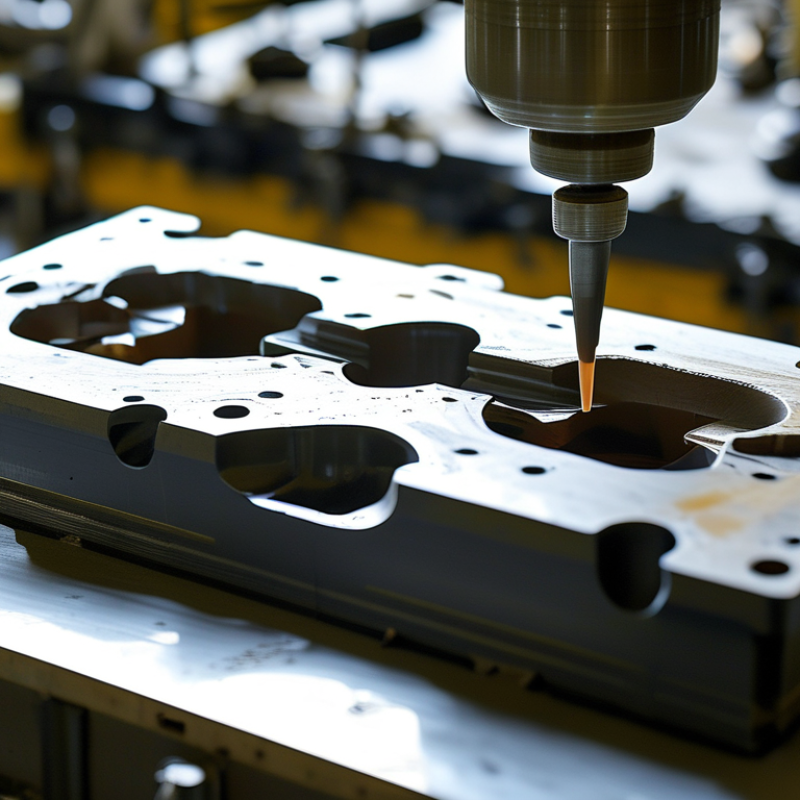
When selecting injection molding inserts, high-quality options are essential for efficient manufacturing. These inserts should provide durability, precise dimensions, and excellent thermal conductivity. A well-made insert can significantly reduce cycle times and enhance production efficiency.
Consider materials that resist wear and corrosion. Harder materials often lead to longer lifespan and fewer replacements. Also, the surface finish should be smooth to minimize friction and improve the quality of molded parts.
**Tips:** Regularly inspect your inserts for wear signs. Prompt replacement can prevent costly downtime. Understand that even high-quality inserts may have limitations. They might struggle with certain complex geometries or challenging materials.
Focus on proper maintenance. Cleaning and lubricating your inserts can prolong their life. Ultimately, selecting the right inserts is a balance of quality and cost. Always assess your specific manufacturing needs for the best outcomes.
Top Injection Molding Inserts for Efficient Manufacturing Solutions
| Insert Type |
Material |
Thermal Conductivity (W/m·K) |
Durability (Cycles) |
Cost (USD) |
| Straight Insert |
H13 Steel |
25 |
500,000 |
150 |
| Complex Insert |
P20 Steel |
27 |
300,000 |
200 |
| Multi-Cavity Insert |
S7 Steel |
30 |
400,000 |
250 |
| Insert with Cooling Channels |
Beryllium Copper |
170 |
600,000 |
350 |
| Hot Runner Insert |
Stainless Steel |
15 |
250,000 |
300 |
Types of Materials Used in Manufacturing Injection Molding Inserts
When discussing injection molding inserts, the choice of material plays a vital role. Various materials offer distinct advantages and challenges. Steel is common due to its durability and ability to withstand high temperatures. However, it can be heavy and expensive. Aluminum is lighter and often less costly, but it may not last as long as steel. Each material has its ideal application, and engineers must consider the trade-offs.
Another popular option is brass. This metal offers excellent machinability and corrosion resistance. Yet, it might not be the best choice for high-volume production where durability is key. In some cases, engineers opt for lightweight composites or polymers. These materials are easy to mold and offer flexibility but may lack strength for certain applications.
Choosing the right material isn't straightforward. Factors like production volume and part complexity complicate decisions. Testing different materials often reveals unexpected results. There is no one-size-fits-all solution. A thorough understanding of each material's properties can aid in making informed choices. This will lead to more effective and efficient manufacturing processes.
Benefits of Using Advanced Injection Molding Inserts
The use of advanced injection molding inserts offers significant benefits for manufacturers. These inserts enhance production efficiency by providing better thermal management. They can maintain consistent temperatures, which is crucial for achieving high-quality molded parts. This consistency reduces defects, ultimately saving time and costs.
Advanced inserts also enable more complex designs, allowing for intricate part features. They can be tailored to specific materials, which enhances material flow during the injection process. This customization leads to faster cycle times and improves the overall quality of finished products. However, the challenge lies in selecting the right insert for each application. Understanding the unique properties of each insert type can be overwhelming for some manufacturers.
Many professionals in the field have noticed the importance of proper maintenance for these inserts. Regular checks are essential to ensure optimal performance. Even small wear and tear can affect the manufacturing process. The collaboration between engineers and technicians is vital to address this issue. Adopting a proactive approach can lead to innovative solutions and improved efficiency.
Choosing the Right Insert for Your Specific Manufacturing Needs
Choosing the right injection molding insert is crucial for efficient manufacturing. Each project has unique requirements that can affect the quality and speed of production. A well-chosen insert can enhance durability and precision in the final product. This decision should be based on factors like material compatibility, complexity of the part, and production volume.
Tips for selection:
- Assess the material you'll be using. Some inserts work better with specific materials, improving overall efficiency.
- Consider the part design. Complex designs may require specialized inserts for optimal outcomes.
- Evaluate production volume needs. For high-volume runs, investing in high-quality inserts pays off over time.
Experience shows that many manufacturers overlook these elements. Not all inserts are created equal, and a mismatch can lead to issues. Always involve your team in the decision-making process. Collaboration can reveal insights, helping avoid costly mistakes. Look for inserts that may not fit the initial thought but can offer surprising advantages.
Trends in Injection Molding Inserts and Their Impact on Production Efficiency
The evolution of injection molding inserts significantly affects production efficiency. Recent trends show that advanced materials, such as high-performance polymers, are gaining traction. These materials enhance durability and reduce cycle times. According to a report by the Society of Plastics Engineers, manufacturers using innovative inserts can improve their output by over 30%. This efficiency boost translates to reduced waste and lower costs.
Integrating smart technology into molding systems also plays a crucial role. Sensors embedded in the molds provide real-time data, allowing for immediate adjustments. This leads to fewer defects and consistent product quality. Studies indicate that companies adopting these technologies report a reduction in scrap rates by up to 15%. The injection molding landscape is transitioning towards integrated solutions.
Tip: Regularly evaluate your current inserts. Consider testing new materials to find options that improve efficiency. Additionally, monitor technology trends closely; staying informed can keep your operations competitive. Always seek feedback from production teams; their insights are invaluable for refining processes.