Top 10 Photoelectric Sensors You Need to Know About?
Photoelectric Sensors play a crucial role in various industries, from manufacturing to robotics. According to recent market analysis, the global photoelectric sensor market is expected to reach $3 billion by 2026, growing at a CAGR of 7%. This growth is driven by the rising demand for automation and precision in industrial processes.
These sensors utilize light to detect objects, measuring distance, presence, and proximity. They are essential in enhancing efficiency and safety. However, variations in operating conditions can lead to performance inconsistencies. Factors like ambient light and surface reflectivity can affect their reliability. Despite their effectiveness, users often overlook these critical aspects.
Many companies struggle to choose the right sensor for specific applications. The multitude of options can be overwhelming. In some cases, investments in photoelectric sensors do not yield the expected benefits. Understanding specific sensor types and their applications is key to maximizing their potential. This overview of the top 10 photoelectric sensors aims to provide insights that can foster informed decisions in a complex landscape.
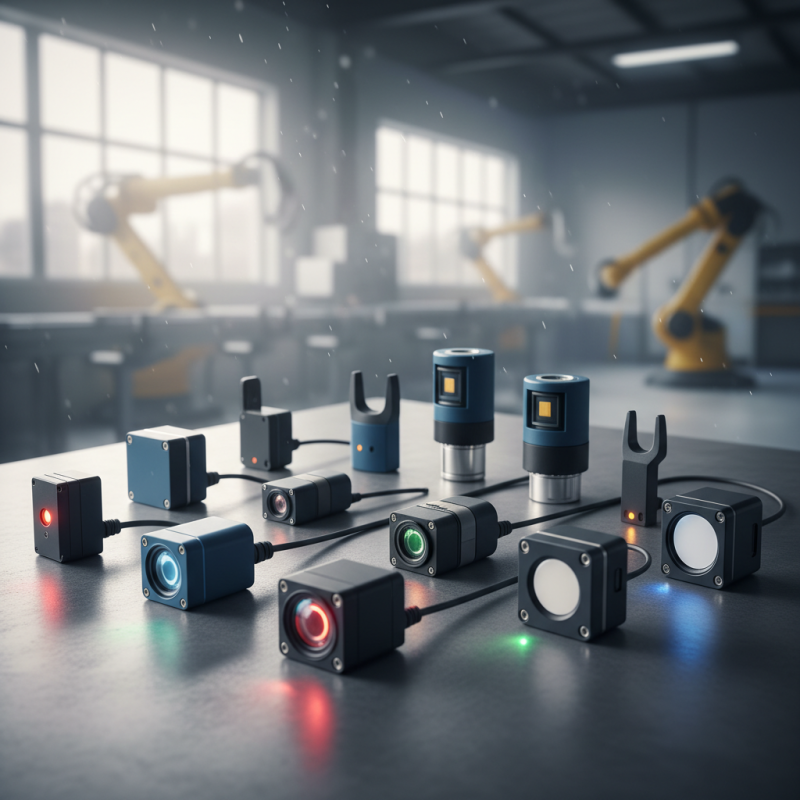
Understanding Photoelectric Sensors and Their Applications
Photoelectric sensors are crucial in automation and industrial applications. They serve various functions, including detecting objects, measuring distances, and counting items. According to a report by MarketsandMarkets, the photoelectric sensor market is expected to grow from $2.8 billion in 2021 to $4.1 billion by 2026, which underscores their increasing importance in modern technology.
These sensors operate based on light transmission and reflection principles. They utilize infrared light to detect the presence of an object. This technology allows for minimal contact, reducing wear and tear. Industries like packaging, logistics, and automotive heavily rely on photoelectric sensors for their efficiency. However, one must consider the limitations, such as sensitivity to environmental conditions. Dust, fog, or intense sunlight can impair their functionality.
Not all photoelectric sensors are equally effective. Some have slower response times, which can lead to inefficiencies. Regular calibration and environment assessments are essential. Implementing these sensors without considering their placement may result in inaccurate readings. Therefore, while they offer advanced capabilities, attention to detail during installation is crucial to maximize their potential.
Types of Photoelectric Sensors: A Comprehensive Overview
Photoelectric sensors play a crucial role in automation. They are used to detect objects, measure distances, and control processes. Various types cater to different applications. The most common types include diffuse, retro-reflective, and through-beam sensors. Each has unique features that make them suitable for specific tasks.
Diffuse sensors emit light and detect reflections. They are ideal for short-range applications. Retro-reflective sensors use a reflector to return the light beam. This setup allows for longer distances. Through-beam sensors consist of separate emitter and receiver units. They offer high precision and reliability, especially in challenging environments.
Tips: When selecting a photoelectric sensor, consider the environment it will be used in. Factors like dust, moisture, and temperature can affect performance. Always check the sensor's range and sensitivity. It’s critical to ensure compatibility with your existing systems. Not every sensor fits every need; reflection can sometimes mislead the readings.
Another thought to ponder is maintenance. Although photoelectric sensors are generally durable, regular checks are essential. Dust on the lens can impact functionality significantly. Remember, a small oversight could lead to significant issues in automation processes. Be cautious with installation, as incorrect positioning can lead to sensor failures.
Key Features to Consider When Choosing Photoelectric Sensors
When choosing photoelectric sensors, several key features are crucial to consider. Sensitivity is paramount. Sensors must detect objects at various distances. A recent market report highlights that 70% of industrial automation failures relate to sensor sensitivity issues. If a sensor can't adapt to changing conditions, performance suffers.
Response time matters significantly. Some applications may require rapid detection, like in high-speed conveyor systems. The best sensors can respond in less than 1 millisecond. However, not all sensors meet this standard. This gap can lead to misdetections or delays in automated processes.
Environmental durability is another essential feature. Many sensors face dust, humidity, or extreme temperatures. Reports indicate that nearly 30% of sensor-related breakdowns stem from harsh environments. Choosing sensors with robust housings and protective features can mitigate these risks. Yet, many overlook this aspect, resulting in frequent replacements and maintenance costs. The right sensors can enhance efficiency and minimize long-term expenses.
Top 10 Photoelectric Sensors with Performance Reviews and Ratings
Photoelectric sensors are essential in various industries. They detect objects, measure distances, and enable automation. According to recent industry reports, the global photoelectric sensor market is projected to reach $3.48 billion by 2026, growing at a compound annual growth rate of 5.8%. This shows the increasing reliance on these sensors in manufacturing and logistics.
The performance of photoelectric sensors varies based on application. Some models excel in detecting transparent objects, while others perform better in dusty environments. For instance, one study found that sensors with a background suppression feature can improve accuracy by up to 30% in cluttered settings. However, not all photoelectric sensors are equal. Users must consider factors like response time, detection range, and environmental conditions.
It's important to note the limitations of photoelectric sensors. They can struggle in extreme temperatures or wet environments. Also, misalignment can lead to false readings, affecting operational efficiency. Regular calibration is necessary to maintain optimal performance. Choosing the right sensor requires understanding specific application needs and potential challenges.
Future Trends in Photoelectric Sensor Technology and Innovations
Photoelectric sensors are evolving rapidly. These devices detect objects using light. Recent innovations focus on improving accuracy and efficiency. The integration of AI technology is particularly intriguing. With smarter algorithms, sensors can now adapt to different environments. This adaptability is crucial for industrial applications.
Wireless technologies are also making waves. Sensors that communicate effortlessly can reduce installation time and costs. Imagine fewer cables cluttering your workspace. However, relying on wireless connections raises concerns about signal interference. Ensuring reliability is essential. Moreover, the miniaturization of these devices is noteworthy. Smaller sensors can fit into tighter spaces, but they may sacrifice some performance capabilities.
As we look ahead, sustainability will be a key consideration. Developers must balance efficiency with environmental impact. This challenge brings new materials into play, which could be both beneficial and risky. Continuous improvements will help in this area. Innovative designs are paving the way for more versatile solutions. Users will benefit from updates that reflect these advancements. These trends signal an exciting future for photoelectric sensors.