China’s plastic injection molding industry serves brands that need precise parts, steady production, and practical cost control. The right supplier can shape a small connector or a broad appliance housing, while keeping dimensions consistent across thousands of cycles. Yet a company name alone proves little. Buyers should examine tooling capability, material knowledge, quality systems, communication, and experience with similar parts.
John Beaumont, an author and educator in injection molding, emphasizes the process-focused thinking reflected in his work. A useful summary is: “Reliable parts come from controlling the whole process, not simply choosing a capable machine.” This is an editorial paraphrase, not a verified verbatim quotation. It points to a common sourcing mistake: overlooking mold design, resin handling, and process monitoring while comparing quoted prices. Details matter. A stable shot, a clean parting line, and documented inspection results can reveal more than a polished factory brochure.
This guide introduces ten Chinese companies for buyers to investigate, not as a universal ranking. Each project has different needs. A supplier suited to high-volume consumer parts may not fit a medical-grade component or a short-run prototype. Company capabilities and certifications can also change, so verify current information directly before making a decision. No list can replace a factory audit or a clear technical discussion. That limitation deserves attention. A careful comparison should include sample quality, tooling ownership, production capacity, delivery records, and how problems are reported and corrected.
China’s 2023 plastic products output reached 74.885 million tonnes, according to the National Bureau of Statistics. That figure shows the scale of the country’s manufacturing base and provides useful context for comparing injection molding suppliers. It reflects broad plastic product categories, however, not injection-molded parts alone.
A national total is impressive. Not an audit.
For a Top 10 comparison, buyers should look beyond production volume. Ask about press capacity, mold maintenance, dimensional inspection, traceability, and documented defect rates. Request samples made on the actual production line, then check critical dimensions with suitable gauges. A plant suited to high-volume orders may not fit a small, frequently revised design. Published capacity can also conceal differences in product mix and machine utilization.
The statistic describes an industry, not an individual factory. Site visits and verified production records help fill that gap, though even these checks cannot guarantee every future batch will be identical. Treat the 74.885-million-tonne benchmark as context, not proof of any supplier’s capability.
Plastic injection molding depends on four coordinated stages, not merely a powerful machine. In clamping, the mold halves close and lock under controlled force. Even a tiny alignment error can leave a visible flash along the parting line. More force is not always better; excessive pressure may stress the mold.
During filling, heated plastic flows through the nozzle and runners into the cavity. Operators monitor injection speed and pressure to help prevent short shots, burns, or uneven surfaces. The melt must reach narrow ribs without trapping too much air. Small details matter. A setting that worked yesterday may behave differently after a material or temperature change.
Cooling gives the part enough stiffness to hold its shape. Uneven cooling can cause sink marks or warping, so channels and cycle time need careful attention. This stage often takes a significant share of production time, though the balance varies by part design. At ejection, pins push the cooled part from the mold. If the part is still soft, it may bend; if release is poor, it can stick. The four stages sound simple, but their settings require adjustment and honest inspection. A first sample is useful evidence, not proof that every later cycle will be perfect.
Evaluating plastic injection molding companies in China takes more than comparing quotes. ISO 20457 provides a framework for dimensional tolerances on molded plastic parts, but it does not replace clear part drawings. Ask suppliers to identify critical dimensions, measurement methods, and inspection frequency. A tolerance listed without a measurement plan is not very useful. Not enough.
Machine tonnage should match the projected area, resin, cavity layout, and expected molding pressure. A larger press is not automatically better. Check shot capacity, tie-bar spacing, platen dimensions, and the machine’s condition as well. Request trial records showing actual cycle settings and part measurements. One limitation: a successful sample run cannot prove every production shift will be consistent.
Material selection affects shrinkage, strength, appearance, and processing stability. Ask for resin identification, batch traceability, and relevant test reports. Review certifications by scope and manufacturing site; a certificate alone does not confirm that a specific part meets its requirements. Compare suppliers using the same part drawing and acceptance criteria. The scorecard still involves judgment, especially when comparing different testing practices. A careful review should make those assumptions visible.
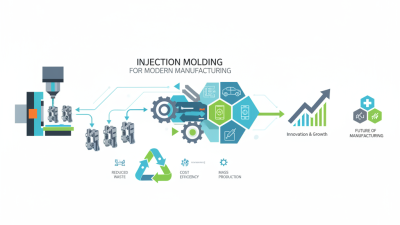
A screening framework for comparing suppliers by key manufacturing capabilities. The percentages are illustrative evaluation weights, not measured results or rankings of specific companies.
How to read: Review ISO 20457 alignment for tolerances and acceptance conditions, available machine clamping-force ranges, material capability, and relevant certifications. ISO 20457 is a standard for tolerances and acceptance conditions for moulded parts, not a certification.
A practical profile of China’s injection molding sector should compare capabilities, not just factory size. One supplier may focus on thin-wall packaging, while another builds tight-tolerance parts for electronics. Other common specialties include automotive interior components, medical-grade molding, clear optical parts, overmolding, insert molding, large housings, rapid prototyping, and mold design with in-house tooling. These profiles describe useful areas to investigate, not a verified ranking of named manufacturers.
When reviewing a supplier, ask for examples of similar parts and the material grades used. A good technical discussion covers wall thickness, draft angles, gate placement, cooling, and expected production volume. Request sample inspection records, equipment details, and a clear explanation of how mold changes are handled. Small details matter. A glossy sample can hide sink marks or uneven color under different lighting.
The right match depends on the part and the project stage. A high-volume packaging producer may not suit a complex, low-volume enclosure. Check whether the supplier manages mold maintenance, dimensional checks, and production traceability. Independent audits and customer references can add confidence, but they take time to verify. Rankings shift, and public profiles rarely show every weakness. This comparison is imperfect; buyers should confirm current capacity, quality systems, and lead times directly.
The profiles below describe common supplier capability types, not a verified ranking or claims about specific companies. Actual materials, equipment, certifications, and production capacity vary by facility.
| Profile | Specialty | Typical materials or processes | Relevant quality or technical reference |
|---|---|---|---|
| 1. Automotive component specialist | Interior and exterior components, clips, housings, and trim parts | Common examples include PP, ABS, and PC/ABS; material selection depends on the part specification. | IATF 16949 is an automotive quality management system standard; certification is facility-specific. |
| 2. Electronics enclosure specialist | Device housings, connectors, covers, and precision components | Examples include PC, ABS, PC/ABS, and selected engineering thermoplastics. | Dimensional inspection and appearance criteria are set by the part drawing and customer requirements. |
| 3. Medical component specialist | Molded components for medical devices and healthcare products | Material choice depends on intended use, sterilization method, and product requirements. | ISO 13485 covers medical-device quality management; ISO 10993 addresses biological evaluation where applicable. |
| 4. Thin-wall packaging specialist | High-volume lids, containers, closures, and packaging components | PP and PE are common packaging resins; food-contact suitability must be checked for the exact grade and market. | Applicable food-contact rules depend on the destination market and intended conditions of use. |
| 5. Overmolding specialist | Soft-touch grips, seals, buttons, and multi-material parts | Often combines a rigid substrate with TPE or TPU; bonding depends on material compatibility and process design. | Bond strength and environmental performance are validated against the specific product requirements. |
| 6. Insert-molding specialist | Plastic parts molded around metal inserts or other preformed components | Thermoplastics such as PA, PBT, and PC may be used, subject to design and application requirements. | Insert positioning, retention, and electrical or mechanical performance are checked to the part specification. |
| 7. Large-part molding specialist | Large housings, appliance parts, panels, and structural covers | Common resin families include PP, PE, ABS, and other grades chosen for part size and performance needs. | Part dimensions, warpage, and appearance are assessed against agreed drawings and acceptance criteria. |
| 8. Engineering-plastics specialist | Components requiring enhanced mechanical, thermal, or chemical properties | Examples include PA, PBT, POM, PC, and PPS; processing requirements vary by resin grade. | Resin supplier data sheets and part-specific testing guide material handling and validation. |
| 9. Tooling and moldmaking specialist | Mold design, tool fabrication, sampling, and mold maintenance | Tool design may include single- or multi-cavity layouts and hot-runner or cold-runner systems, as specified by the project. | ISO 20457 provides a framework for tolerances and acceptance conditions for molded plastic parts. |
| 10. OEM contract-molding specialist | Custom production combining molding with secondary operations or assembly | Material range and finishing options depend on the supplier's equipment and the approved product design. | ISO 9001 addresses quality management systems; confirm the scope and validity of any supplier certification. |
Comparing ten Chinese injection molding firms requires more than counting machines. Capacity should include press tonnage, monthly output, mold storage, and available shifts. Ask for recent production figures, not only installed capacity. A full schedule can limit urgent orders.
Industries served reveal useful differences. A supplier making automotive housings may handle tight tolerances and traceability, while consumer-goods work may prioritize fast design changes. Quality checks should cover incoming resin, first-article approval, dimensional inspection, and lot records. Request sample reports. A brochure alone is weak evidence. Factory audits and trial orders can expose gaps, though they take time and money.
Export reach involves more than shipping destinations. Check experience with your target region, packaging requirements, communication across time zones, and support for tooling changes. Ask how defects are reported and resolved after delivery. A scorecard helps, but it can flatten important details: a high-volume plant may be a poor fit for complex, low-volume parts. I would compare similar projects and ask for references. Even then, forecasts can shift, and supplier capacity may change.