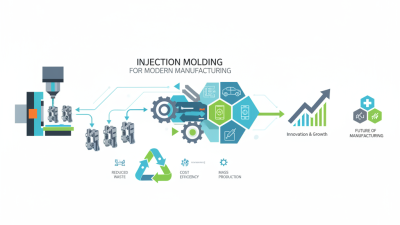
How to Understand the Injection Molding Process Effectively?
The injection molding process stands as a cornerstone of modern manufacturing. Experts estimate that around 30% of all plastic products are made using injection molding techniques. This method allows for mass production with precision and efficiency, making it vital for industries ranging from automotive to consumer goods. However, mastering this process requires a deep understanding of its mechanics and variables.
Dr. Emily Chen, a leading expert in polymer engineering, emphasizes the complexity of this process. She states, "Each stage of the injection molding process can dramatically impact the final product’s quality." This highlights the necessity for thorough training and experimentation. For many companies, understanding nuances like temperature control and material selection can mean the difference between success and costly mistakes.
Despite its advantages, challenges persist. Factors like material waste and machine downtime are common issues. Companies often overlook these aspects, which can lead to inefficiencies. Therefore, diving deep into the injection molding process not only aids in reducing waste but also enhances overall productivity. Continuous improvement is key, as is actively addressing imperfections in the workflow.
Understanding the Basics of Injection Molding: Key Concepts and Terminology
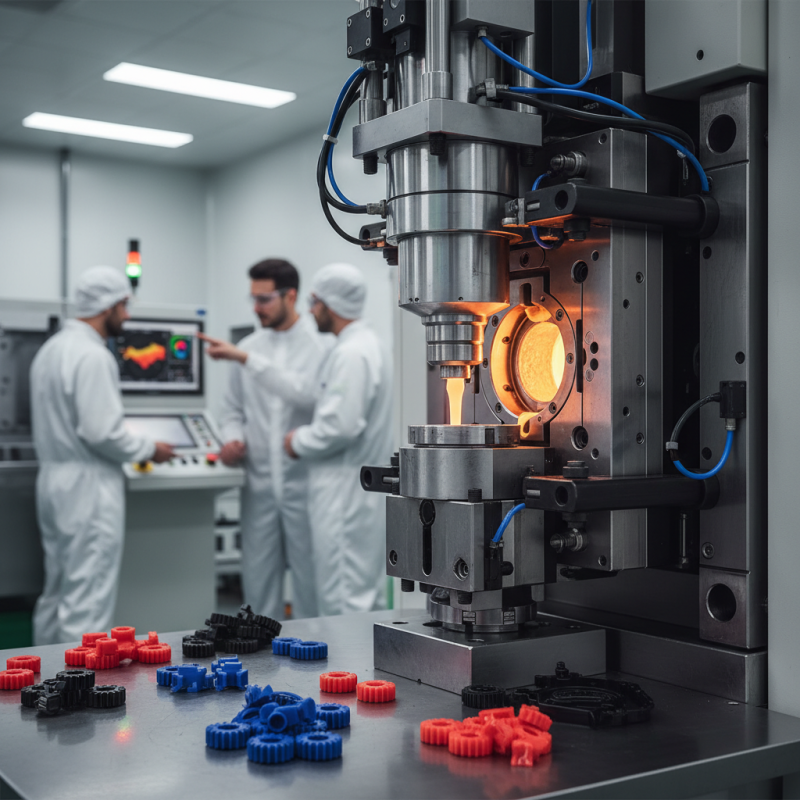
Injection molding is a fascinating process. It involves shaping molten material into specific forms. This method is widely used in manufacturing plastic parts. Understanding its basics is essential for anyone interested in production.
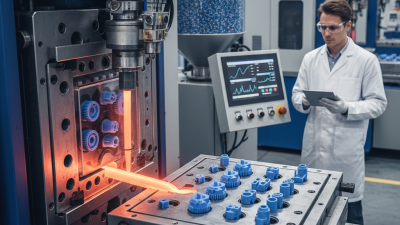
Key concepts include the injection unit and the clamp unit. The injection unit melts plastic pellets. It then injects the liquid into a mold. The clamp unit holds the mold closed during this process. Once the material cools, the mold opens and reveals the final product. Temperature control is crucial; too hot can cause defects, while too cold may lead to incomplete shapes.
Terminology is also vital for effective communication. Terms like "shot size" refer to the amount of material injected. “Cycle time” is the total time from injection to ejection. These terms shape the understanding of injection molding. Beginners might struggle with this language. Reflection on these concepts can lead to better mastery. Embracing mistakes is part of learning this complex process.
The Injection Molding Process: Step-by-Step Overview of Production Phases
The injection molding process involves several key phases, each critical for successful production. Initially, raw plastic materials are fed into a hopper. This stage often uses materials like ABS or polycarbonate, which are common due to their versatility. According to industry reports, nearly 32% of all plastic products are made using injection molding.
Once the materials are heated and melted, they are injected into a mold. Here, precision matters greatly. Molds must be designed with accuracy. A slight deviation can result in defects, leading to increased costs. In fact, studies indicate that maintaining mold integrity can reduce scrap rates by up to 15%.
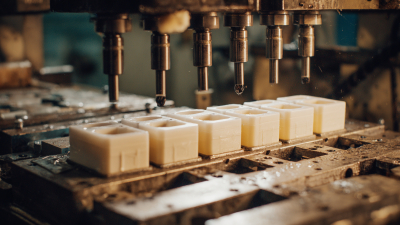
After cooling, the molded parts are ejected. This phase marks the transition from raw material to product. However, it’s not without its challenges. Molding defects can occur due to improper cooling rates or pressure issues. Approximately 20% of molded products face rework or rejections. Continuous improvement in these steps is essential for optimizing the process and minimizing waste, demonstrating the need for constant evaluation in production practices.
Materials Used in Injection Molding: Properties and Industry Trends
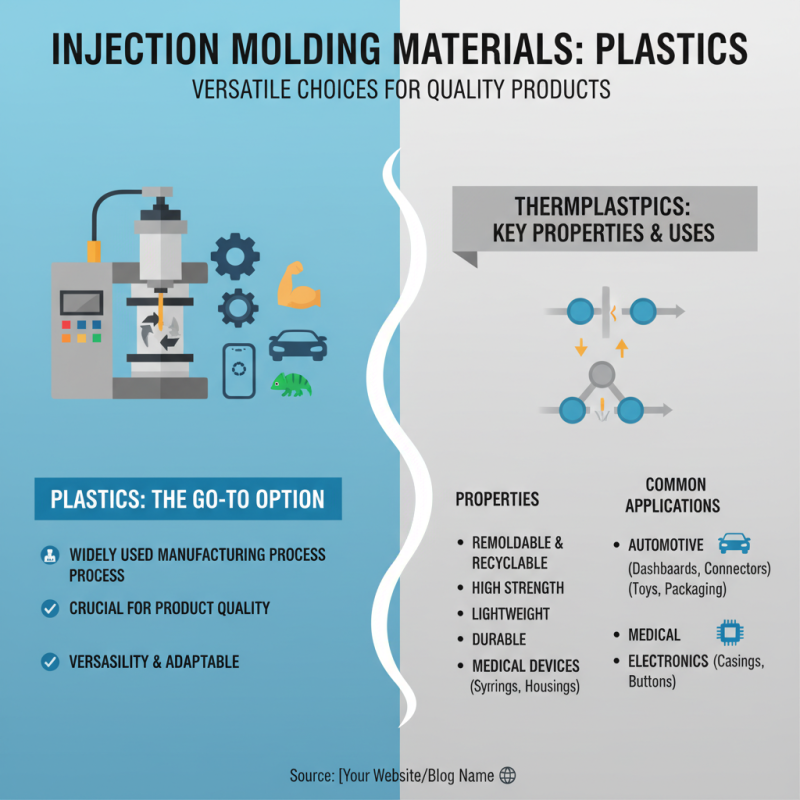
Injection molding is a widely used manufacturing process. The choice of materials plays a crucial role in defining the final product's quality. Plastics are often the go-to option due to their versatility. Different types of plastics have unique properties, making them suitable for various applications. For instance, thermoplastics are popular for their ability to be re-molded and recycled. Their strength and light weight make them ideal in automotive and consumer goods.
Industry trends show a growing interest in sustainable materials. Biodegradable plastics are gaining popularity as firms seek to reduce environmental impact. However, these materials can sometimes lack the durability of traditional options. Testing is essential to ensure they meet quality standards. Recyclability is also a focal point in material selection. Many companies are now focusing on closed-loop systems, using reprocessed materials without compromising quality. Despite positive trends, challenges remain, such as performance issues and higher costs.
Key Performance Metrics in Injection Molding: Efficiency and Quality Control
Injection molding is a complex process, and understanding its key performance metrics is vital. Efficiency plays a crucial role in this process. According to a report from the Society of Plastics Engineers, a well-optimized injection molding cycle can achieve production rates of up to 15,000 parts per hour. However, not all operations reach these numbers. Many facilities struggle with cycle time and machine downtime.
Quality control is equally important. The American Society for Quality states that defects in molded products can reach up to 5%. This affects customer satisfaction and operational efficiency. Identifying the root causes of defects needs regular inspection and testing. Aiming for zero defects is an aspiration, but it requires continuous improvement.
Operators should monitor metrics such as scrap rates and cycle consistency closely. Even small variances can lead to substantial losses over time. Some manufacturers overlook the potential of investing in data analytics. Proper analysis can highlight inefficiencies that need urgent attention. The blend of efficiency and quality control remains a delicate balance, needing constant evaluation.
Common Challenges in Injection Molding: Troubleshooting and Solutions
Injection molding can present various challenges during production. One common issue is the formation of air bubbles. These can compromise the integrity of the final product. Proper venting of the mold is crucial. Ensure that all vents are clear and sized appropriately to allow air to escape.
Another frequent hurdle is improper filling of the mold. This often results in short shots. Factors such as material viscosity and temperature play a significant role. Adjusting the injection speed or increasing the mold temperature can help. However, these measures should be tested carefully to avoid overcompensation.
Surface blemishes are also a frustrating problem. They can arise from contamination, excess material, or mold wear. Regular cleaning and maintenance of molds can mitigate this issue. Monitoring the quality of raw materials is equally important. Addressing these challenges requires a commitment to detail and an understanding that not every attempt will be perfect. Learning from mistakes is an essential part of the process.
How to Understand the Injection Molding Process Effectively? - Common Challenges in Injection Molding: Troubleshooting and Solutions
| Challenge |
Description |
Possible Solutions |
| Short Shots |
Occurs when the mold cavity does not fill completely. |
Increase injection speed, adjust temperature, or ensure proper venting. |
| Flash |
Excess material that seeps out of the mold. |
Adjust mold alignment, reduce injection pressure, or modify the material viscosity. |
| Sink Marks |
Depressions on the surface due to material shrinkage. |
Increase packing pressure, modify cooling time, or adjust wall thickness. |
| Warpage |
Distortion of the part shape upon cooling. |
Optimize cooling system design, adjust mold temperature, or ensure uniform thickness. |
| Bubbles |
Air trapped in the molded part, causing defects. |
Increase venting in the mold, adjust injection speed, or use vacuum assistance. |