What Is a Reformer Pilates Machine?
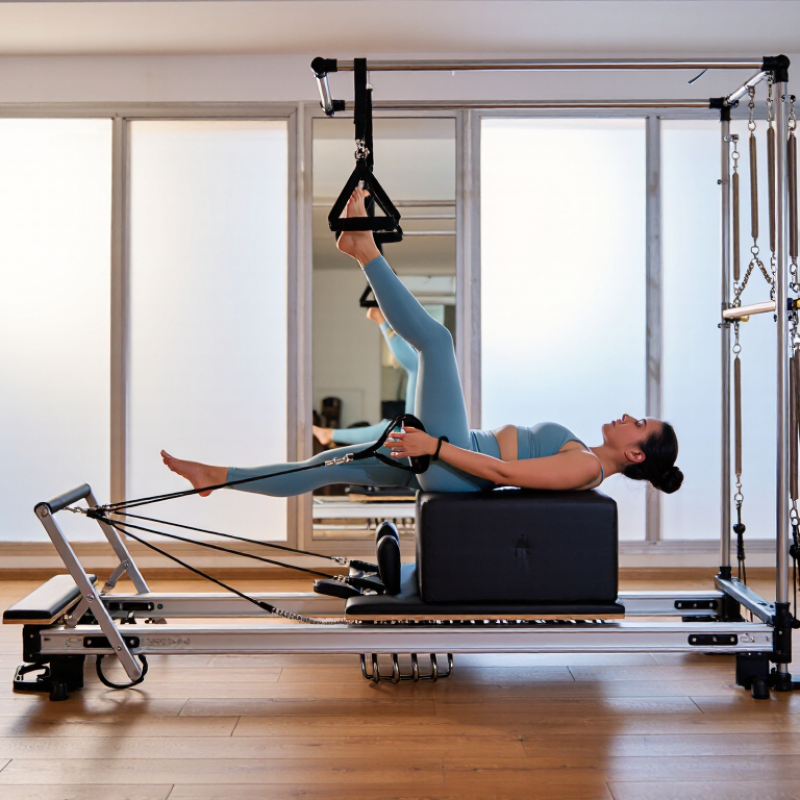
A reformer pilates machine is a moving platform designed for controlled resistance training. It uses springs, ropes, pulleys, a footbar, and shoulder rests. The carriage slides beneath the user’s body. That movement can make a basic leg press feel precise, unstable, or surprisingly demanding.
Its appeal reflects a wider shift toward structured wellness. The Global Wellness Institute’s 2024 report valued the global wellness economy at $6.3 trillion in 2023. Its physical activity research also identified exercise as a major and expanding wellness segment. Meanwhile, the American College of Sports Medicine continues to emphasize strength training, functional movement, and exercise programs suited to different populations. These reports support the market’s direction, but they do not prove that every reformer class delivers identical results.
The machine is not magic. A reformer can help users practice alignment, resistance control, balance, and core engagement. Spring tension may support a beginner or challenge an experienced athlete. However, incorrect setup can strain the wrists, shoulders, hips, or lower back. Qualified instruction matters, especially after injury or during pregnancy. A 2023 review in the Journal of Bodywork and Movement Therapies reported potential benefits from Pilates for strength, flexibility, and pain management, while also noting differences in study quality and program design. That limitation deserves attention. In this guide, we will examine how the reformer works, who may benefit, and what responsible beginners should consider before training. Expect practical details, not exaggerated promises.
Definition and Origins: Joseph Pilates’ 1920s Apparatus and Its Evolution
What Is a Reformer Pilates Machine?
A Reformer Pilates machine is a spring-based exercise apparatus designed to support controlled movement. Joseph Pilates developed its early form during the 1920s. His design used a moving carriage, springs, straps, pulleys, and a stable frame. These parts created adjustable resistance and assistance. The apparatus helped people train strength, balance, coordination, and body awareness without relying only on body weight.
The machine’s origins are closely linked to Joseph Pilates’ broader movement system. He adapted mechanical ideas for rehabilitation and physical conditioning. A person could push the carriage with their feet, pull straps with their arms, or stabilize the trunk against spring tension. The resistance feels different from lifting a fixed weight. It changes throughout the movement. Small adjustments can reveal weak control, uneven pressure, or poor alignment.
The Reformer has changed considerably since the 1920s. Modern versions may include different spring systems, padded surfaces, adjustable footbars, and added accessories. Yet the central idea remains recognizable: springs guide movement while demanding precision. Its history is not perfectly simple. Some early details are interpreted differently, and later studios have adapted the apparatus for many goals. In practice, safe instruction matters more than impressive-looking exercises. A qualified teacher should adjust resistance and explain joint positions clearly. The machine can challenge an experienced student, but it should not reward rushed movement. That lesson is easy to overlook.
Core Components: Carriage, Springs, Footbar, Shoulder Rests, and Straps
What Is a Reformer Pilates Machine?
A reformer Pilates machine uses a moving carriage to create controlled resistance. The carriage slides along rails beneath your body. Springs connect it to the frame and determine how much effort each movement requires. Light springs can challenge stability, while stronger springs may support heavier movements. More resistance is not always better.
The footbar gives your feet or hands a firm surface during exercises. Its height changes your hip and knee angles, so small adjustments matter. Shoulder rests sit behind the upper body and prevent unwanted sliding when the carriage moves. They also help position the shoulders during lying exercises. However, they are not meant to support careless alignment.
Straps attach to the carriage and allow the arms or legs to work through longer ranges. Handles provide grip, while loops can rest around the feet. Smooth movement matters more than speed. A qualified instructor should check spring tension, strap length, and body position before demanding exercises. The setup may feel awkward at first. That awkwardness can reveal weak control or unclear instructions. Keep the spine neutral, move quietly, and stop if sharp pain appears. Even experienced users should reassess the equipment before changing resistance.
What Is a Reformer Pilates Machine?
Core components and their primary roles in movement, resistance, support, positioning, and control.
The chart uses a practical 1–5 role index based on each component’s standard function in a reformer Pilates machine. The carriage creates a moving surface, springs provide adjustable resistance, the footbar supports pushing and foot placement, shoulder rests stabilize the upper body, and straps connect the hands or feet to the resistance system.
Resistance System: How Five Springs Create Adjustable Training Loads
What Is a Reformer Pilates Machine?
Resistance System: How Five Springs Create Adjustable Training Loads
A reformer Pilates machine uses five springs to create adjustable resistance. Each spring usually offers a different tension level, from light to heavy. The selected combination changes how the carriage feels beneath your body.
One light spring can support controlled movement and balance work. Several stronger springs can make pushing, pulling, or holding positions more demanding. However, spring color systems are not universal. Resistance also changes with carriage distance, body angle, and leverage. That detail is often overlooked.
During practical instruction, I watch the carriage first. A jerky return may suggest excessive resistance, poor control, or both. A slow, quiet return usually shows better coordination. It does not automatically prove greater strength.
The World Health Organization’s Global Status Report on Physical Activity estimates that 31% of adults worldwide were insufficiently active in 2022. Adjustable equipment may help instructors adapt sessions for different abilities. The ACSM’s 2024 Worldwide Survey of Fitness Trends also placed personal training among leading global fitness trends, reflecting demand for individualized guidance.
Five springs do not provide five fixed levels of difficulty. They create a moving resistance range. Spring fatigue, maintenance, and user technique can alter the experience. That uncertainty deserves attention. Manufacturers should publish measurable tension data, but many systems still rely mainly on color labels. Experienced coaching remains necessary.
Exercise Mechanics: Reformer Movement Across Strength, Mobility, and Balance
What Is a Reformer Pilates Machine?
Exercise Mechanics: Reformer Movement Across Strength, Mobility, and Balance
A reformer is a moving carriage fitted with springs, straps, a footbar, and shoulder supports. The springs create adjustable resistance as the carriage glides along its frame. This design changes how muscles produce force. Pushing the carriage away trains concentric strength, while controlling its return challenges eccentric strength. Small adjustments matter.
During footwork, the hips, knees, and ankles work together under controlled resistance. A slower return can reveal weak control that ordinary squats may miss. The footbar also allows different joint angles, helping users explore hip and ankle mobility without forcing a deep range. The goal is not maximum stretch. It is usable movement.
Balance becomes more demanding when the base of support narrows. Standing exercises, single-leg work, and strap movements require the trunk to stabilize while the limbs move. Breathing can support rhythm, but it cannot replace proper alignment. A qualified instructor should adjust spring tension, range, and setup for each person. Too much resistance may encourage gripping or poor posture. Too little may remove useful feedback.
A practical mistake is treating every exercise as a test of flexibility. Movement quality often improves when the carriage moves slowly and evenly. I still find that “more range” can look impressive while reducing control. Careful observation remains essential, especially for people with pain, recent injuries, or limited balance.