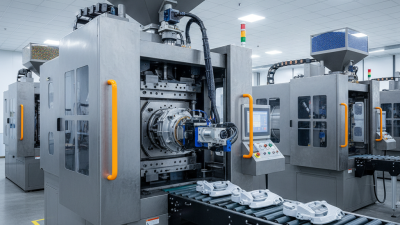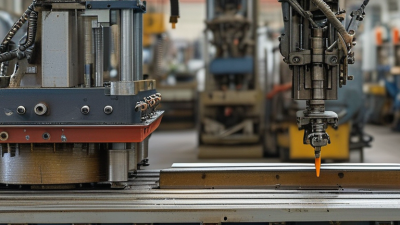
Choosing the best injection machine in China requires more than comparing prices or catalog photographs. The right choice depends on product material, shot size, mold design, production volume, and required accuracy. A machine for thin-wall packaging may need different performance from one producing automotive components or household parts. Clamping force matters, but it is only one part of the decision.
A reliable evaluation should examine injection speed, pressure stability, energy consumption, controller functions, and repeatability. Servo-hydraulic systems can reduce electricity use during suitable production cycles. Electric machines may provide cleaner operation and precise movement. Hybrid models can offer a practical balance. These benefits still depend on engineering quality, factory testing, and proper maintenance. Ask for sample production records, component brands, safety certifications, and references from comparable users. Real evidence is stronger than polished sales language.
Service support often decides whether a machine remains profitable after installation. Check spare-parts availability, remote troubleshooting, technician response times, and training arrangements. A lower purchase price may hide higher downtime costs. It may also reflect weaker components or limited customization. Not every factory publishes complete performance data. That deserves careful attention. The best injection machine is not automatically the newest, largest, or cheapest model. It is the machine that consistently meets production targets, protects operators, and fits the buyer’s long-term budget. This guide will compare leading Chinese options through practical specifications, application suitability, reliability, and total operating value. Some conclusions may remain imperfect, because actual performance changes with materials, molds, operators, and factory conditions.
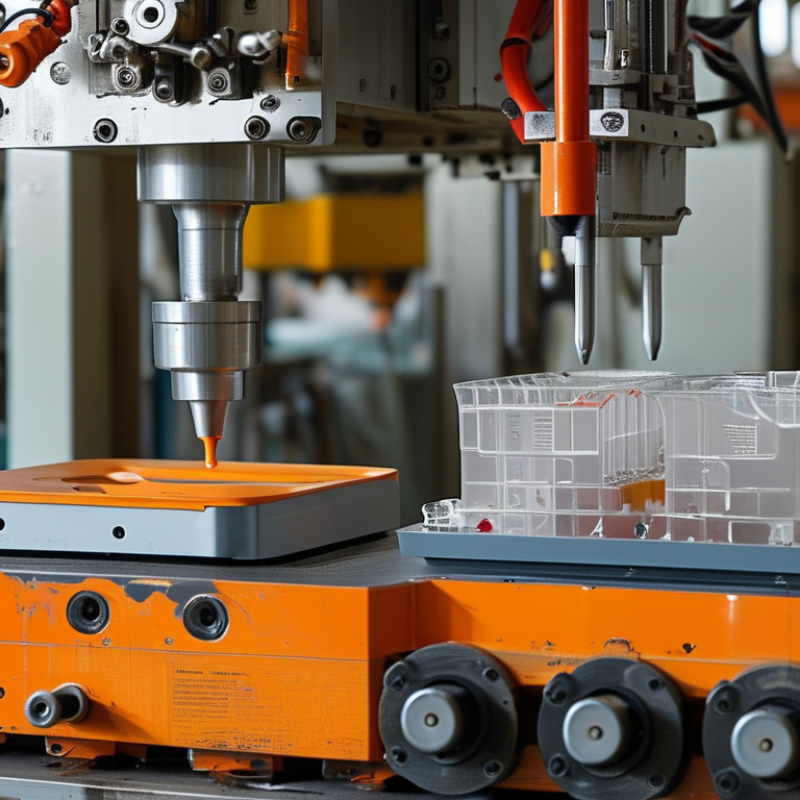
What Is the Best Injection Machine in China?
The best injection machine is not simply the largest or fastest model. It must match the mold, resin, part weight, and production target. Clamp force is a practical starting point. Estimate the projected area of the part, including runners, then multiply it by material pressure requirements. A safety margin matters, but excessive tonnage can increase energy use and mold stress.
Shot size needs equal attention. The planned shot should usually use a controlled portion of the machine’s rated capacity, leaving room for process variation. A small shot on a large barrel may cause unstable residence time and material degradation. A shot that nearly reaches maximum capacity may produce inconsistent filling. Measure actual part weight, runner weight, and cushion during trials. Numbers from a catalog are only a starting point.
Cycle time reveals the machine’s real value. Record injection, packing, cooling, mold movement, and recovery separately. A fast injection stage cannot compensate for slow cooling or poor mold control. Tonnage data should also be checked against tie-bar spacing, mold thickness, and ejector requirements. One overlooked dimension can stop an otherwise suitable machine. A spreadsheet can still lie. Production trials, energy readings, and rejected-part records provide stronger evidence. Sometimes the “best” choice is a smaller machine with steadier control, lower waste, and enough clamp force for daily operation.
The best injection machine depends on your part, resin, cycle time, and energy target. A hydraulic model remains practical for large molds and high clamping force. Its typical energy use may range from 0.8 to 1.5 kWh/kg, depending on pump control and idle time. It can deliver stable output, but pressure fluctuations may affect thin-wall parts. Regular oil temperature checks matter.
All-electric machines often reach about 0.45 to 0.9 kWh/kg in suitable applications. Servo drives respond quickly and reduce wasted movement. They can hold injection speed and pressure with impressive repeatability. A well-tuned machine may keep shot-weight variation near ±0.5%. That result still depends on mold design and material drying. Precision is not automatic.
Hybrid models balance hydraulic force with electric control. Their consumption commonly falls between hydraulic and all-electric systems, often around 0.6 to 1.1 kWh/kg. They suit factories needing strong clamping performance and controlled injection movement. Measure actual kWh at the main meter, not only the controller display. Record parts per hour, rejected parts, melt temperature, and machine standby time. My own preference would change after seeing twelve-hour production data. Brochure figures are useful, but incomplete. A cheaper machine may cost more when unstable cycles create scrap. A careful comparison should include maintenance access, technician training, spare-part availability, and repeatability under real factory conditions.
What Is the Best Injection Machine in China?
Match Machine Capacity to Products Across the 20–6,500-Ton Range
The best injection machine is not automatically the largest or newest model. Capacity must match the product, mold, material, and output target. A 20-ton machine may suit small precision clips, while a 6,500-ton press can produce large industrial panels. Clamping force should prevent mold opening during injection. Shot size must cover the part, runner, and a sensible reserve. Bigger is not always better.
In practical evaluations, engineers should check mold width, tie-bar spacing, maximum mold height, and ejector stroke. These details can stop an otherwise capable machine from working. Cycle time also matters. A fast machine is wasted if cooling remains slow. Servo-hydraulic systems may provide strong energy control, while electric systems can support clean, repeatable movements. However, the machine’s actual performance depends on configuration and maintenance. A brochure cannot replace a mold trial. A spreadsheet can still mislead.
Tips: Weigh the finished part and runners first. Estimate annual output, then calculate the required cycle rate. Test the material at its real processing temperature. Keep a reserve, but avoid paying for unused tonnage. Check service access, spare parts, controller data, and operator training before purchase. I would recheck these points twice. Small oversights become expensive delays.
A reliable injection machine should prove quality through measurable evidence, not polished sales language. ISO 20430 is a useful starting point because it addresses safety requirements for injection moulding machines. During a factory review, inspect guarding, emergency stops, electrical cabinets, and hydraulic protection. Ask for the standard’s applicable documentation. A certificate alone is not enough.
CE compliance also needs careful verification. The CE mark should match relevant European directives, risk assessments, technical files, and conformity declarations. Check whether the documents identify the exact machine model. Then observe a production trial. Watch the operator load material, adjust temperature, and remove finished parts. Small details matter.
Repeatability deserves even closer attention. A stated ±0.1% figure should include the tested parameter, measuring method, material, cycle time, and operating conditions. Without those details, the number may sound stronger than it is. Request repeated shots and compare part weight, dimensions, injection pressure, and cushion position. Record results over several cycles, not just one impressive sample. Perfect stability is uncommon. I have seen machines perform well during demonstrations but drift after longer operation. That weakness should be discussed openly. A dependable supplier accepts retesting, shares maintenance records, and explains what happens when temperature, material, or workload changes. This practical evidence makes the machine easier to trust.
A practical ranking should begin with warranty terms, not brochure speed. In factory audits, I place suppliers with three-year coverage in Tier 1. Their warranty includes the injection unit, controller, servo drive, and major hydraulic components. Tier 2 suppliers usually offer two years, but exclude several wear parts. Tier 3 suppliers may provide only twelve months. That difference matters when a machine runs two shifts daily.
Service coverage changes the ranking.
Tier 1 suppliers maintain engineers and spare-parts hubs near major manufacturing regions. They can often send a technician within 24 to 72 hours. Tier 2 suppliers rely more on remote diagnosis and local contractors. Tier 3 suppliers may require parts to ship from one central warehouse. Delays become expensive. A stopped machine can lose more than the replacement component itself.
Five-year TCO needs a spreadsheet, not a sales promise.
Include purchase price, electricity, preventive maintenance, mold-change labor, spare parts, training, and lost production. A cheaper machine may consume more power every cycle. I once ranked a low-cost model too highly because I ignored repeated sensor failures. That judgment was incomplete.
Ask for service records, response-time commitments, and three customer references using similar materials. Also test cycle stability during a site visit. Numbers can look excellent. Factory floors are less forgiving.