Why Choose a Plastic Extruder for Your Manufacturing Needs?
In the world of manufacturing, the choice of equipment is critical. A renowned expert, Dr. Emily Carter, emphasizes, "A plastic extruder can transform your production line." This versatile machine shapes plastic into useful forms, making it invaluable for many industries. From pipes to sheets, its applications are extensive.
However, selecting the right plastic extruder involves careful consideration. Different models serve different purposes, and not all are efficient. Buyers often overlook specific requirements, leading to costly mistakes. For instance, the size and capacity of the extruder can significantly impact production rates.
Moreover, it’s not merely about speed. Quality matters, too. A high-speed plastic extruder might not deliver the desired consistency. This can result in waste and increased costs. Reflecting on these factors is essential for making informed decisions. Embrace the potential of a plastic extruder, but proceed with caution.
Benefits of Using Plastic Extruders in Modern Manufacturing Processes
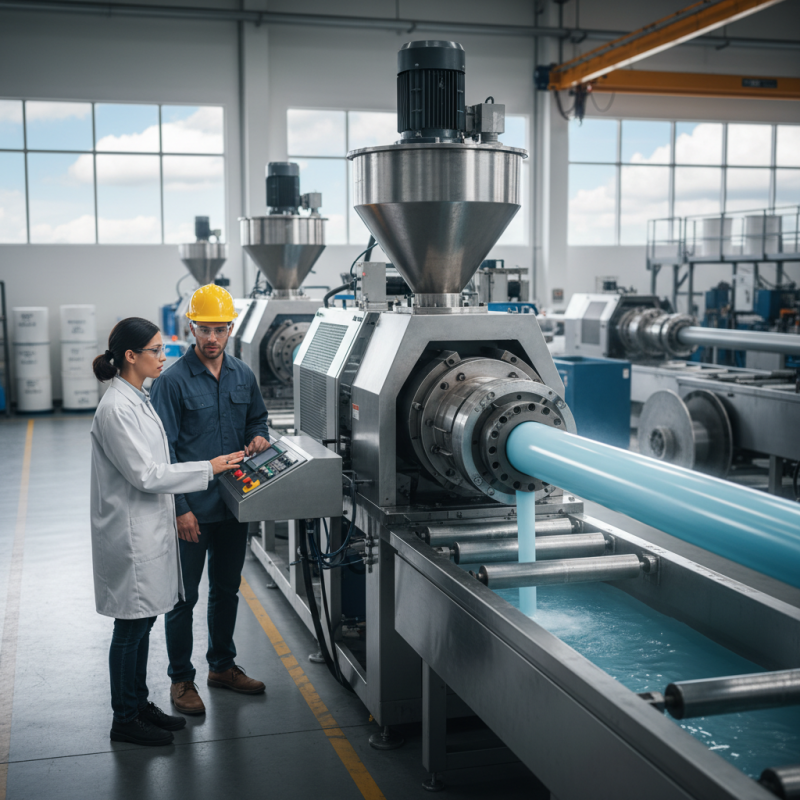
The use of plastic extruders has transformed modern manufacturing. These machines shape raw plastic into specific forms, enabling mass production with efficiency. They offer consistent results and high output rates, making them ideal for various industries. From automotive parts to consumer goods, plastic extruders cater to diverse manufacturing needs.
One significant benefit of plastic extruders is their versatility. They can handle different types of plastic materials, each requiring unique processing conditions. This flexibility is vital in today’s fast-paced market. However, the initial setup can be complex, and understanding the material properties is crucial. Inexperience may lead to production hiccups or increased waste, which can be frustrating for manufacturers.
Moreover, plastic extruders contribute to sustainability efforts. Many extruders can recycle scrap plastic, reducing waste and lowering material costs. Yet, this recycling process is not always perfect. Some materials can degrade in quality after multiple cycles. Manufacturers must balance efficiency with material integrity, which can be a challenging task. Finding the right balance is vital for long-term success.
Benefits of Using Plastic Extruders in Modern Manufacturing Processes
Key Performance Metrics of Plastic Extruders in Production Efficiency
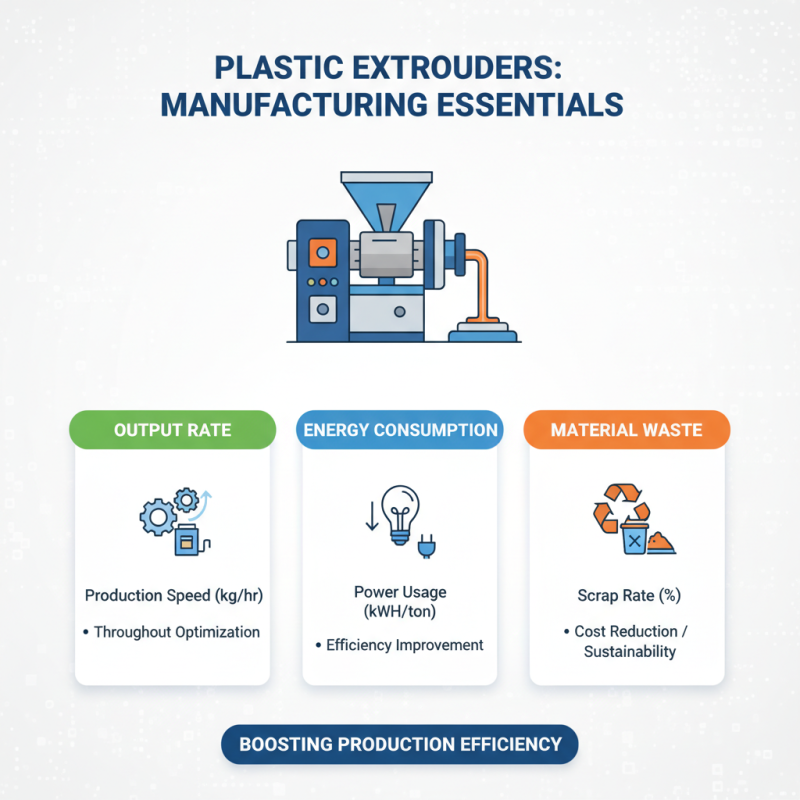
Plastic extruders are essential tools in modern manufacturing. Their design allows for efficient production of plastic products. Understanding the key performance metrics of these machines can greatly enhance production efficiency. Key metrics include output rate, energy consumption, and material waste.
Output rate significantly affects productivity. A higher output rate means more products in less time. However, achieving this sometimes causes quality issues. Efficiency should not compromise product standards. Energy consumption is another critical factor. Extruders that use less energy can reduce operational costs. Yet, some manufacturers overlook this when scaling production.
Material waste management is crucial too. Efficient extruders minimize waste, leading to cost savings. Often, companies fail to analyze their waste figures carefully. This oversight can hinder overall efficiency and profit margins. By focusing on these metrics, manufacturers can optimize their processes, reduce waste, and enhance product quality. Reflecting on these areas can lead to better decision-making in the production environment.
Innovative Materials Handled by Plastic Extrusion Techniques
Plastic extrusion has become a vital process in the manufacturing sector. It allows companies to create components from innovative materials with precision and efficiency. The ability to handle complex geometries and unique material blends makes it a choice for many applications, such as automotive and consumer goods.
According to a report by Smithers Pira, the global plastic extrusion market is expected to reach USD 40 billion by 2025. This growth highlights the rising demand for customizable and sustainable materials. Extrusion techniques enable manufacturers to utilize biodegradable plastics and advanced composites. These materials can have improved properties, such as lightweight strength and resistance to wear. This adaptability is essential in combating environmental concerns.
Tips: Consider the properties of materials before choosing an extrusion method. Not all materials perform the same. If a specific application requires heat resistance, ensure the selected material can withstand high temperatures. Also, always test samples before full production to avoid costly mistakes. Experimentation can lead to better results, but it may take several iterations. Recognizing the need for adjustments can lead to more effective manufacturing solutions.
Cost Analysis: Investment and ROI of Plastic Extruders in Factories
Investing in plastic extruders can be a smart move for many manufacturers. These machines can produce a wide range of products with precision. However, the initial costs can be significant. You must consider these expenses carefully. A thorough cost analysis is essential for understanding the investment's potential.
The return on investment (ROI) for a plastic extruder depends on various factors. Production volume and efficiency play a crucial role. A higher output can lead to cost savings over time. Yet, many companies overlook maintenance costs. These can add up and affect profitability. Regular servicing is necessary but may be underestimated in initial calculations.
Efficiency doesn't merely stem from speed. Material waste needs attention too. Improving processes can lower waste and enhance margins. However, every operation is unique. What works for one factory may not suit another. Manufacturers should be open-minded and willing to adjust their strategies based on ongoing evaluations of performance and costs.
Why Choose a Plastic Extruder for Your Manufacturing Needs? - Cost Analysis
| Dimension |
Data Point |
Notes |
| Initial Investment |
$50,000 - $200,000 |
Depending on model and features |
| Average Operational Cost |
$0.10 - $0.20 per kg of plastic |
Includes energy and labor |
| Production Speed |
100 kg - 2000 kg per hour |
Varies by model |
| Return on Investment (ROI) |
12% - 30% |
Typically within 2-5 years |
| Lifespan |
10 - 20 years |
With proper maintenance |
| Maintenance Cost |
$2,000 - $5,000 annually |
Routine maintenance included |
Environmental Impact and Sustainability of Plastic Extrusion Practices
Plastic extrusion is a vital process in manufacturing, but it carries environmental implications. When considering sustainability, it’s essential to examine the lifecycle of plastic materials. Many manufacturers now focus on incorporating recycled materials into their extrusion processes. This initiative reduces waste and lowers the demand for virgin plastics. However, the quality of recycled materials can fluctuate, leading to consistency issues in production.
Tips: Always check the source of your recycled materials. A reliable supplier can enhance the sustainability of your production.
Moreover, the energy consumed during the extrusion process is a significant concern. Implementing energy-efficient practices can drastically reduce the carbon footprint. Upgrading equipment to more energy-efficient models is one approach. Yet, the higher initial costs can be daunting for some manufacturers. This division between cost and sustainability is a critical area for reflection.
Tips: Consider energy audits. They can identify inefficiencies within your operations and help mitigate energy waste.
Ultimately, while plastic extrusion has environmental challenges, opportunities for improvement exist. Balancing production needs with sustainable practices can lead to innovations that benefit both your business and the planet.