Why Choose Clay Litter for Cats?
Clay Litter remains a familiar choice for cat owners because it is widely available, easy to scoop, and offered in clumping and non-clumping forms. A granular texture pours into a box with a dry, sandy sound; clumping varieties can make daily waste removal straightforward. Those practical details matter in busy homes. Still, convenience is only part of the decision.
Grand View Research estimated the global cat litter market at about $11.1 billion in 2023. This figure describes market value, not proof that clay litter is best for every cat. The American Pet Products Association’s National Pet Owners Survey also tracks the large U.S. pet-owning population, underscoring why litter choices reach millions of households. Market data can show scale. It cannot tell us which texture an individual cat will accept.
Feline preferences deserve attention. Cats may avoid a box because of its location, cleanliness, scent, or litter feel, so a change in behavior should not be blamed on the product alone. Clay litter can control odors and form firm clumps, yet dust, weight, and disposal needs may trouble some households. No option is perfect. A gradual transition and close observation can reveal whether a cat settles comfortably.
I cannot verify a verbatim statement from a named clay-litter industry expert using the material provided. Inventing a quotation would weaken the reliability of this introduction; a sourced expert quote should be added only after its original publication is confirmed.
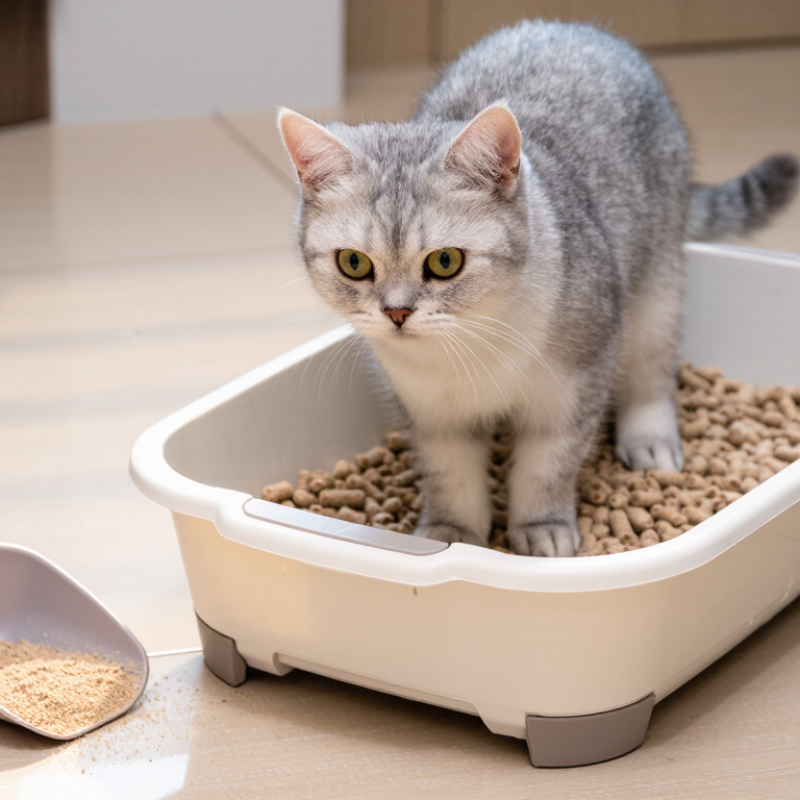
What Clay Cat Litter Is and How It Works
Clay cat litter is usually made from mined clay, especially bentonite, which absorbs water and can swell. Urine enters tiny spaces between the granules. Sodium bentonite expands as it takes up moisture, binding nearby particles into a scoopable clump. Non-clumping clay also absorbs liquid, but it generally stays loose rather than forming a firm lump. Small detail. The difference affects how waste is removed and how often the remaining litter needs attention.
The U.S. Geological Survey’s Mineral Commodity Summaries 2024 reports about 4.6 million metric tons of U.S. bentonite production in 2023. That figure covers many uses, not cat litter alone; it is not a measure of litter sales. In a litter box, clumping is easy to see: a wet patch becomes a heavier mass that can be lifted with a scoop, while dry granules remain behind. Dust and tracking can vary with particle size and handling, so pouring close to the box may reduce airborne dust. “Low dust” is not dust-free. It is also worth checking the label: clay types and clumping behavior differ, and the word “clay” alone does not tell you how a particular litter will perform.
Common Types of Clay Litter
Clay litter remains a common choice because many cats accept its familiar, sandy texture. Its main forms are clumping and non-clumping clay. They behave differently in the tray, so the best fit depends on your cat’s habits and your cleaning routine.
Clumping litter often contains bentonite clay, which binds with moisture into scoopable lumps. This makes daily waste removal straightforward, though loose particles can stick to paws and travel across the floor.
Non-clumping clay absorbs liquid but usually stays loose. It may need more frequent full changes because urine spreads through the material. Some products use lighter clay, which is easier to lift but may scatter more readily. Dust levels also vary, and a bag’s appearance cannot tell you how your cat will respond. There is no perfect option; that is worth remembering.
Tips: Start with a shallow layer and watch where your cat digs. Keep the tray in a quiet, ventilated spot, and scoop regularly. If you change types, mix the new litter in gradually. A little tracking is normal, but persistent sneezing or avoiding the tray deserves attention.
Key Benefits of Clay Litter for Cats
Clay litter remains a common choice because it handles everyday messes with little fuss. Many clay formulas absorb urine quickly, while clumping varieties form scoopable lumps. That can make daily cleaning easier. A shallow layer may let owners remove waste without replacing all the litter each time. Less guesswork.
Clay can also help contain odors when waste is removed regularly and the box stays dry. For homes with several cats, its familiar texture and easy availability can simplify routine care. Many cats accept its fine, sand-like feel, though preferences vary. Watch during the first few days: avoiding the tray or tracking litter across the floor may signal a poor fit. Some clay products create dust, and particles can cling to paws. Choose a low-dust option if dust is a concern, and clean the area around the box often.
Convenience is not the whole story. Clay can be heavy to carry, and clumping varieties need consistent scooping. A cat with respiratory sensitivity or a strong texture preference may do better with another type. Ask a veterinarian about persistent coughing or litter-box changes. The best choice is one your cat uses comfortably and you can maintain reliably. That balance matters.
Health and Environmental Considerations
Clay litter can be practical, but its health and environmental effects deserve a closer look. Fine dust rises when a fresh layer is poured, then settles on the tray rim and nearby floor. Cats with sensitive airways, and people with asthma, may find dusty products irritating. Choose a low-dust option, pour close to the tray, and keep the room ventilated. Not every cat reacts the same way. If coughing or sneezing continues, ask a veterinarian rather than assuming the litter is harmless.
Clay, especially bentonite, is mined and processed before it reaches a home. The U.S. Geological Survey’s Mineral Commodity Summaries 2024 estimated U.S. bentonite production at about 4.6 million metric tons in 2023. That figure covers many uses, not cat litter alone. Disposal matters, too: the U.S. Environmental Protection Agency reported that 146.1 million tons of municipal solid waste went to landfills in 2018. That comparison is imperfect; the EPA figure does not isolate litter. Still, used clay litter is heavy, and bagging it for household trash adds to landfill-bound waste. Scoop feces promptly, seal waste securely, and never flush clay litter. Small choices help, though they cannot erase mining or disposal impacts.
How to Choose and Use Clay Litter Safely
Clay litter can absorb liquid quickly and form firm clumps, making daily scooping easier. Some cats also prefer its familiar, sand-like feel. Choose a low-dust formula, since fine particles can irritate sensitive noses and airways. Unscented litter is often a sensible choice; perfume may bother cats that avoid strongly scented trays. No option suits every cat.
Pour litter gently, keeping the bag close to the tray to limit dust. Place the box in a ventilated area, away from food and water bowls. Scoop waste daily, and wash your hands afterward. Keep the tray clean and dry. Clay litter can be heavy, so lift smaller amounts if your back objects. It is a small detail, but an easy one to overlook.
Watch your cat after changing litter. Coughing, sneezing, irritated paws, or refusing the tray deserve attention; contact a veterinarian if symptoms persist. Kittens may mouth litter, so ask a vet which type is appropriate for their age. Store the bag sealed and dry, where children and pets cannot spill it. Clay litter is not usually flushable; follow local waste guidance. No litter is perfect, and a quiet trial period can reveal more than a label.