Why Choose an Injection Machine for Your Production Needs?
In today's competitive manufacturing landscape, the choice of production machinery significantly influences efficiency and output quality. An injection machine stands out for its precision and versatility. According to a recent industry report by MarketsandMarkets, the global injection molding machine market is projected to grow from $15.0 billion in 2020 to $22.2 billion by 2025, reflecting a CAGR of 8.3%. This growth underscores the increasing demand for advanced manufacturing solutions.
Injection machines enable the production of complex shapes with minimal waste, improving resource efficiency. They are widely used in sectors such as automotive, consumer goods, and medical devices. A study from Research and Markets highlights that injection molding accounts for over 30% of all plastic manufacturing. While these machines offer impressive benefits, not all businesses fully realize their potential. Some manufacturers still struggle with outdated technology, which can lead to problems such as slower production rates and higher costs.
Selecting the right injection machine can be daunting. There are various models with distinct capabilities and features. It’s crucial for companies to evaluate their specific needs carefully. This decision impacts not just production speed but also product quality and sustainability. Understanding these aspects can lead to more informed choices, ultimately driving better outcomes.
Benefits of Using Injection Molding Machines in Manufacturing
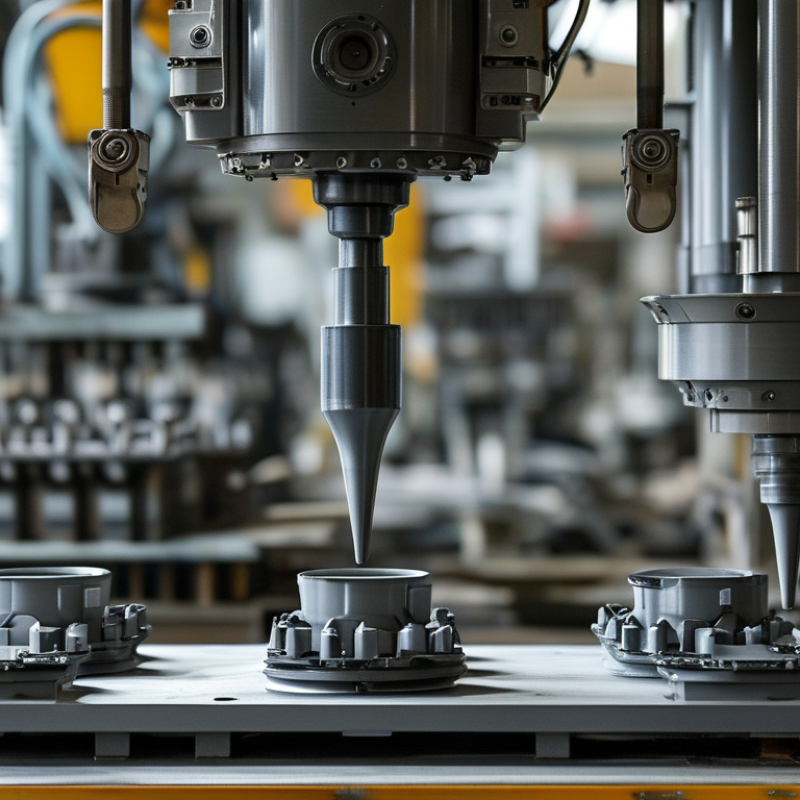
Injection molding machines play a pivotal role in modern manufacturing processes. They offer significant advantages that enhance production efficiency. The primary benefit is their ability to produce complex shapes with high precision. This accuracy reduces the need for extensive post-production work. As a result, manufacturers can save time and costs.
Speed is another critical aspect of injection molding. These machines can operate quickly, allowing for high-volume production runs in a shorter timeframe. This efficiency is vital in competitive markets. Companies often struggle to keep up with demand. With injection molding, they can meet targets without compromising quality.
However, investing in these machines requires careful consideration. Initial costs can be high. Additionally, machinery requires consistent maintenance and operator training. Each production run can reveal technical challenges. Adapting to these can take time and resources. Ultimately, the benefits often outweigh the challenges, making injection molding a smart choice for many manufacturers.
Types of Injection Machines Available for Various Industries
Injection molding has transformed various industries by providing efficient production solutions. The choice of an injection machine often depends on the specific needs of the sector. Different types of injection machines cater to a broad range of applications, from small-scale operations to large manufacturing facilities.
Hydraulic injection machines are widely used for heavy-duty applications. They deliver high pressure, making them ideal for producing large parts. These machines are capable of handling a variety of materials. However, they can be slower than their electric counterparts.
Electric injection machines, on the other hand, are perfect for high-precision components. They are known for their energy efficiency and reduced cycle times. Users must weigh the advantages and limitations of both types based on their production goals.
In addition to hydraulic and electric options, hybrid machines are gaining popularity. They combine elements from both styles, offering flexibility in production. Industries such as automotive and consumer goods heavily rely on these machines. It’s crucial for manufacturers to evaluate their specific requirements and choose accordingly.
The right machine can significantly enhance productivity and quality. However, making the wrong choice could lead to waste and inefficiency. Understanding the nuances of each type is essential for success.
Key Factors to Consider When Selecting an Injection Machine
When considering an injection machine, several key factors come into play. Efficiency is paramount. A study from the Plastics Industry Association shows that machines with high cycle time efficiency can boost production rates by 20-30%. This efficiency reduces labor costs and minimizes waste, making it a smart investment for manufacturers.
Another crucial aspect is the machine's versatility. Many companies require different product sizes and materials in production. Selecting an injection machine that can handle various polymers can lead to increased adaptability. According to a report by Grand View Research, the global injection molding machine market is expected to reach $15.8 billion by 2025, reflecting its importance in a diverse manufacturing environment.
Additionally, reliability is a consideration that should not be overlooked. Machines that frequently break down or require extensive maintenance can lead to unexpected downtime. Metrics show that businesses can lose up to 5% of their revenue from production delays caused by faulty machinery. Make sure to assess each machine's warranty and support services to ensure long-term reliability. Investing in the right injection machine can enhance production capabilities and overall operational efficiency.
How Injection Machines Enhance Production Efficiency and Quality
Injection molding machines play a crucial role in modern manufacturing. They significantly enhance production efficiency and the quality of products. These machines enable rapid production while maintaining high precision. Their capabilities allow manufacturers to create complex designs that are consistent and reliable.
By utilizing injection machines, companies can reduce waste and streamline their processes. The ability to produce large volumes at a faster rate often leads to lower costs per unit. This efficiency is essential in competing within the market. However, achieving optimal performance requires a deep understanding of machine settings.
For a successful operation, invest time in training staff. Familiarity with machine functions leads to fewer errors. Additionally, regularly calibrating machines ensures they operate at peak efficiency. Monitoring production closely can reveal areas needing improvement. Small adjustments can yield significant benefits over time. Focus on these details to enhance overall productivity.
Future Trends in Injection Molding Technology and Their Impact
Injection molding technology is rapidly evolving. As manufacturers seek efficiency and sustainability, several key trends emerge. One significant trend is the shift toward automation. Machines equipped with advanced robotics enhance speed and precision. This reduces production time and lowers labor costs. Industry 4.0 integration allows for real-time monitoring of processes. Data-driven decisions can optimize production and minimize waste.
Another trend is the focus on sustainable materials. Biodegradable plastics and recycled materials are gaining traction. These materials reduce environmental impact and meet consumer demand for greener products. While this shift is beneficial, it poses challenges. Not all injection machines can process these new materials effectively. Manufacturers may need to invest in updates or new technology for compatibility.
Tips include assessing the long-term value of machinery investments. Consider future material needs and production methods. Regular training for staff is crucial to maximize machine efficiency. Keeping up with trends ensures competitiveness, but it’s essential to critically evaluate which advancements truly align with your production goals. Relying on the latest technology without proper implementation can lead to inefficiencies. Take the time to understand the implications of each trend before making investment decisions.