
A Clothes Wardrobe is more than a place to hang shirts. It keeps everyday clothing visible, protected, and easier to reach. Picture a rushed morning: a clean jacket on a hanger, folded sweaters on a shelf, and shoes kept off the floor. Small details like these can make a room feel calmer. They can also save time. But a wardrobe only helps when its layout suits the people using it.
Tidying consultant Marie Kondo writes, “The question of what you want to own is actually the question of how you want to live your life.” Her words offer a useful way to think about clothing storage. The right wardrobe depends on what you own, how often you wear it, and the space available. A family sharing a bedroom may need clear sections. Someone with limited floor space might prefer sliding doors or shelves that use vertical room. Measure carefully. Guesswork can leave drawers awkward or hangers cramped.
Still, a wardrobe is not magic. A large unit cannot solve clutter if items have no sensible place, and a tidy arrangement may need regular attention. That is worth considering. In this guide, we will look at how a Clothes Wardrobe can protect garments, improve room organization, and support daily routines. We will also consider practical features, from hanging space to drawers, so you can judge what fits your home rather than follow a one-size-fits-all rule.
Why Do You Need a Clothes Wardrobe?
What a Clothes Wardrobe Is and How It Functions
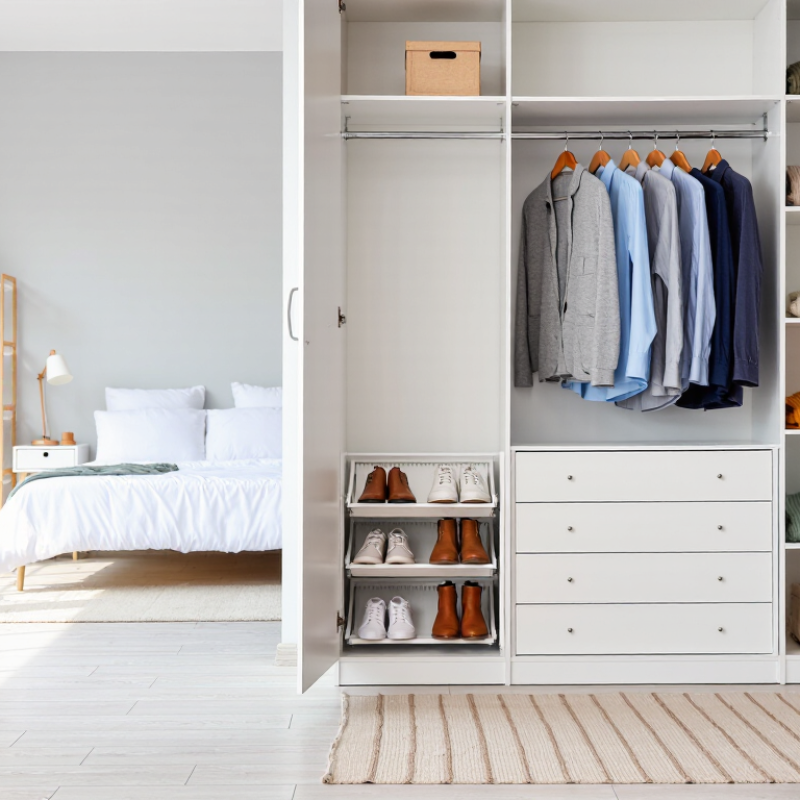
A clothes wardrobe is a freestanding or built-in storage unit designed to keep garments accessible and protected. Inside, a hanging rail holds shirts and coats, while shelves and drawers store folded clothes, shoes, or accessories. Doors help reduce dust, but airflow still matters, especially for clothes put away before they are fully dry. A wardrobe is not just a box for hiding clutter. Its layout affects how easily you can find, use, and care for what you own.
The U.S. Environmental Protection Agency’s 2018 materials report estimated that Americans generated 17 million tons of textile waste; about 2.5 million tons were recycled. Those figures do not prove that better storage prevents waste, but they show why garment care deserves attention. A wardrobe can make clothing easier to see and rotate, reducing the chance that forgotten items sit crushed at the back. Still, storage alone cannot fix overbuying. I sometimes find that a tidy shelf only makes excess easier to ignore.
Tips: Leave a little space between hanging items. Put frequently worn clothes at eye level, and keep heavy sweaters on shelves rather than hangers. Check the back corners now and then; dust gathers there quietly.
A clothes wardrobe helps turn a pile of garments into a system you can use every day. Hang shirts, dresses, and jackets where you can see them, and fold knitwear on shelves to help it keep its shape. Grouping similar items makes choices quicker: work clothes in one section, casual pieces in another. Small details matter. A hook for tomorrow’s outfit or a drawer for socks can prevent morning searches. The system does not need to look perfect.
Tips: Leave a little space between hangers so clothes are easier to spot. Use shelf dividers for folded items, and keep frequently worn pieces within reach. Return each item to its place after wearing or washing it. That helps.
A wardrobe can also make it easier to notice what you own. When similar garments sit together, duplicates and forgotten pieces become more obvious. This can help you plan outfits without pulling everything out. If shelves are crowded, adjust the arrangement rather than forcing clothes into a tight stack. Not always easy. I sometimes find that a neat setup slowly slips when the week gets busy. A quick reset every few days is more realistic than expecting the wardrobe to stay organized on its own.
| Storage Area | Typical Planning Dimension | Best Suited For | How It Helps Keep Clothing Organized |
|---|---|---|---|
| Hanging section | About 24 in (61 cm) deep for standard clothes hangers | Shirts, jackets, dresses, and trousers on hangers | Keeps garments visible, reduces folding, and helps prevent clothes from becoming creased in piles. |
| Double-hang section | Two hanging rails, each with roughly 40–42 in (102–107 cm) of vertical space | Short garments such as shirts, skirts, and folded trousers on hangers | Uses vertical space efficiently and separates clothing by type, season, or occasion. |
| Long-hang section | About 60–66 in (152–168 cm) of vertical hanging space | Long dresses, coats, and other garments that should hang freely | Prevents longer garments from resting on the floor or being folded over a rail. |
| Adjustable shelves | Commonly spaced about 10–12 in (25–30 cm) apart; spacing can vary by item | Sweaters, jeans, bags, and folded everyday clothing | Creates separate, easy-to-reach stacks and can be adjusted as storage needs change. |
| Drawers or pull-out bins | Choose drawer depth to suit the items; shallow drawers work well for small accessories | Socks, underwear, belts, and other smaller items | Contains small items, makes them easier to sort, and keeps them from getting lost among larger clothes. |
| Upper shelf | Position above the main hanging area, leaving enough clearance for garments below | Seasonal clothing, spare linens, and storage boxes | Moves less frequently used items out of the everyday area while keeping them in one designated place. |
| Separate storage zones | Divide the interior by clothing type, wearer, season, or frequency of use | Any wardrobe with multiple clothing categories | Gives each category a consistent home, making it quicker to put clothes away and find them later. |
A wardrobe does more than keep a bedroom tidy. Its doors limit direct sunlight, which can fade delicate colors over time. They also reduce the dust that settles on shoulders, collars, and folded fabric. Small difference, steady benefit.
Give garments room to hang without pressing tightly against one another. Crowding can crease fabric and slow airflow, especially around damp hems or freshly worn coats. Use sturdy hangers that support a garment’s shape, and fold heavy knitwear so it does not stretch on a hanger. A little breathing room helps.
A wardrobe is not a climate-control system. If clothes go in damp, trapped moisture may encourage musty odors or damage fabric. Let items dry fully before storing them, and check the back corners now and then for condensation or dust. In everyday use, it is easy to shut the doors and forget what is inside. That habit can hide problems, so rotate seasonal pieces and inspect stored garments occasionally.
A clothes wardrobe makes daily dressing easier by giving each item a visible, consistent place. When shirts hang together and folded clothes sit on reachable shelves, you can scan your options instead of searching through drawers. On a rushed morning, that small difference matters.
Less rummaging.
A useful setup fits your routine, not an idealized picture. Keep work clothes, casual layers, and frequently worn items within easy reach. Place heavier sweaters on a sturdy shelf, and leave space between hangers so clothes are easier to see and less likely to become creased. A hook on the inside of the door can hold tomorrow’s outfit or a bag. Small adjustments add up.
A wardrobe will not solve every dressing dilemma. You may still change your mind, or find a favorite shirt in the laundry. That is normal. The goal is to reduce avoidable friction: make clean clothes easy to locate, keep seasonal items from crowding daily choices, and return things to their places when you can. A little disorder will return. A simple system is easier to maintain than a perfect one.
Choosing a wardrobe starts with measuring the space, not browsing styles. Check the room’s height, width, and depth, then allow room for doors to open. Measure twice. A wardrobe that fits on paper may still block a light switch or crowd a narrow walkway. Think about what you will store: long coats need hanging height, while folded shirts and shoes benefit from adjustable shelves. A mix of hanging space and drawers often works well, but your daily habits matter more than a perfect-looking layout.
Consider construction, finish, and placement. Sturdy hinges and a stable frame can handle frequent use better than flimsy fittings. Smooth surfaces are easier to wipe clean, especially near dusty windows or busy entryways. If the wardrobe sits against a damp or poorly ventilated wall, leave a small gap where possible and avoid storing clothes while they are wet. Sliding doors can save floor space, though they may limit access to one side at a time. I once underestimated that small inconvenience; it was annoying.
Tips: Before buying, sketch the wardrobe’s footprint with tape on the floor. Check whether drawers can open fully, and bring your longest coat measurement. Keep a little spare shelf space. Storage needs change, sometimes sooner than expected.