2026 Best Plastic Injection Molding Companies?
Choosing the best plastic injection molding companies in 2026 takes more than comparing polished websites or machine counts. The right partner must turn a stable design into repeatable parts, on schedule and at the required quality. A sample part may look perfect. The harder test comes after thousands of cycles.
John Bozzelli, a respected scientific-molding educator, is known for the reminder: “The process is the product.” That idea matters when assessing suppliers. Ask how they control fill, pack, cooling, and material variation—not just which presses they own. Look for clear answers about tooling support, inspection methods, resin experience, production capacity, and communication when a run drifts off target. A careful tour can reveal useful details: labeled material bins, documented checks, and operators who can explain a process change.
This guide compares companies through those practical considerations, while recognizing that no single supplier suits every project. A startup ordering a few hundred housings needs a different service model than a manufacturer planning years of high-volume production. That sounds obvious. It is often overlooked. Rankings also have limits: capabilities, lead times, and quality systems can change, and public claims do not replace a verified audit. Treat this list as a starting point, then confirm each candidate’s current equipment, relevant experience, and capacity against your own drawings and forecast. Some details may still be uncertain. Ask anyway. A good partner should welcome precise questions and provide evidence, not just confident promises.
How Plastic Injection Molding Companies Are Evaluated in 2026
2026 Best Plastic Injection Molding Companies?
How Plastic Injection Molding Companies Are Evaluated in 2026
A strong evaluation starts with the part, not the sales pitch. Share a drawing, resin specification, annual volume, and critical dimensions, then compare suppliers on measurable evidence. Ask for capability data on key features, sample inspection records, and a clear plan for tool maintenance. A low quote means little if mold changes, scrap, or missed delivery dates erase the savings.
Process control matters. During a factory review, look for documented resin drying, lot traceability, machine setup checks, and in-process inspections. PlasticsEurope’s Plastics – the Fast Facts 2024 reports global plastics production of 413.8 million tonnes in 2023, underscoring the scale of material choices and supply chains. Request the resin grade and lot history for your parts. Also ask how the supplier monitors cycle time and rejects. Numbers should match the actual production line, not just a polished presentation.
Environmental reporting deserves scrutiny, but avoid rewarding vague claims. The OECD’s Global Plastics Outlook reports that only 9% of plastic waste was recycled in 2019. Ask for scrap figures, regrind rules, and evidence behind recycled-content claims. Then weigh communication and engineering support: can the team explain a sink mark, suggest a gate change, and document the trade-off? No scorecard is perfect. A supplier may excel at tight tolerances yet struggle with fast design changes; test both before committing.
Key Services and Technologies Offered by Leading Molders
Leading injection molders offer more than press time. Their work often starts with design-for-manufacturing reviews, mold-flow simulation, resin selection, and tolerance planning. A capable team flags thick sections, likely sink marks, and difficult ejector locations before cutting steel. It then builds tooling, validates first shots, and documents process windows. Services may include insert molding, overmolding, cleanroom production, assembly, and packaging. The right combination depends on part geometry and production volume.
The investment is substantial. Grand View Research’s 2024 analysis estimated the global injection molding market at $262.5 billion in 2023, with a projected 4.9% annual growth rate through 2030. That scale helps explain investment in electric presses, sensors, and automated inspection, but newer equipment alone cannot ensure consistent parts. The International Federation of Robotics reported 4.28 million industrial robots operating worldwide in 2023, up 10% year over year. This is manufacturing-wide data, not a molding-specific count. In a molding cell, robots can remove parts, trim gates, and stack components while cameras check for flash or short shots. Details matter here. Digital dashboards can still create false confidence if operators miss a drifting cavity temperature or worn vent. Ask for capability studies, traceable material records, and measured cycle times—not just an impressive equipment list.
Typical Melt-Temperature Windows for Injection-Molding Thermoplastics
Injection molders select processing conditions based on resin grade, equipment, mold design, and part requirements. These representative melt-temperature windows are general guidance, not universal specifications; resin manufacturers’ recommendations should be followed.
Profiles of Notable Plastic Injection Molding Companies
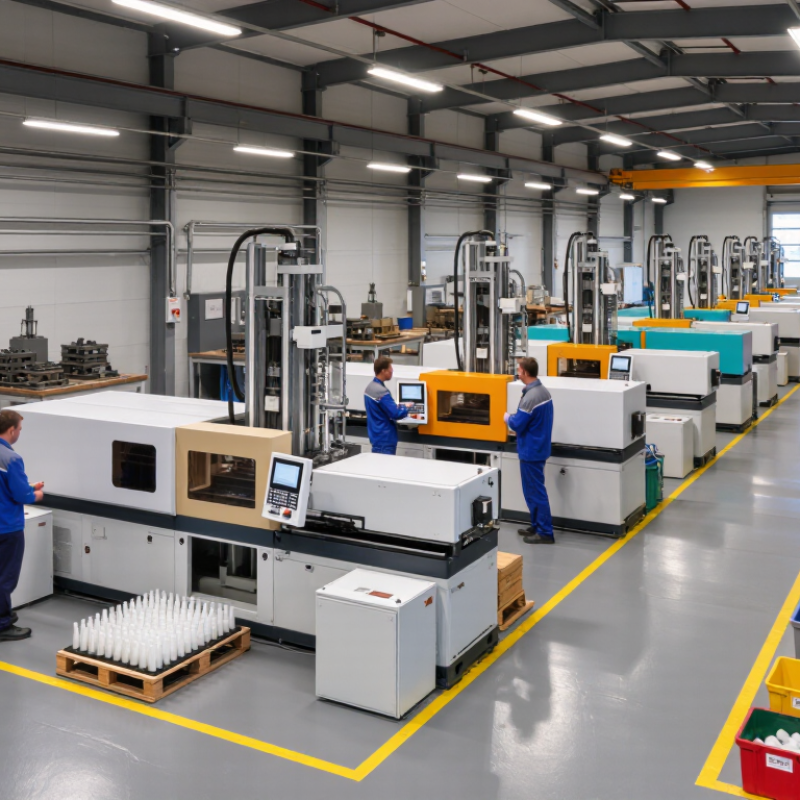
Notable plastic injection molding companies tend to stand out through process control, engineering support, and dependable delivery—not just the number of presses on the floor. A strong profile should explain which materials and part sizes a shop handles, how it manages tooling, and when it can involve engineers. Details matter. Ask whether its team reviews draft angles, wall thickness, and gate placement before the mold is cut. Those conversations can prevent costly changes later.
Some companies focus on high-volume production, where automated cells and documented inspections help keep parts consistent across long runs. Others specialize in smaller batches, complex geometries, or frequent design revisions. A capable partner should describe its validation steps clearly, including first-article checks and dimensional measurement methods. Look for practical evidence, such as sample inspection reports or a walk-through of the production process, rather than broad claims about quality.
The right choice depends on the part, not a universal ranking. Compare quotes alongside tooling ownership, maintenance plans, communication habits, and realistic lead times. A low unit price can hide expensive mold upkeep or limited engineering support. Even a polished company profile leaves questions unanswered; request references for similar parts and confirm who handles problems after production starts. That extra check is easy to overlook.
How to Compare Molders by Cost, Quality, and Production Capacity
A useful comparison starts with one identical request for quotation. Specify resin grade, part dimensions, expected annual volume, tolerances, finish, and packaging. Otherwise, a low quote may simply exclude important work. Ask each molder to separate tooling, unit price, setup, inspection, and shipping costs. Prices vary. Review how changes to order volume affect unit cost, and ask who pays for mold maintenance or repair.
Quality claims need evidence. Request sample inspection reports, measurement methods, and examples of how defects are recorded and corrected. For a small molded part, ask how the supplier checks flash around edges, sink marks near ribs, and dimensions after cooling. No scorecard is perfect. A polished sample can still hide inconsistent results across a full production run, so discuss process monitoring and how often parts are inspected.
Production capacity is more than the number of presses on a website. Match press tonnage and machine availability to your part and mold, then ask about current schedules, planned maintenance, and backup options. A short pilot run can reveal practical issues before a larger order, though it adds time and cost. Compare lead times against your actual launch date, including tooling approval and shipping. If answers are vague, request specific figures and assumptions in writing.
Choosing a Molding Partner for Your Project
Choosing a Molding Partner for Your Project
A large market does not guarantee a good fit for your part. Grand View Research estimated the global injection-molded plastics market at about $284.7 billion in 2023, projecting 4.9% annual growth through 2030. Treat that as market context, not a supplier ranking. For your project, compare a molder’s experience with your resin, part geometry, and expected production volume. Ask how it controls wall thickness, gate placement, and cycle time. These choices affect appearance, strength, and unit cost.
Request evidence, not just promises: sample inspection records, material traceability, and results from a production-intent trial. Confirm who owns the mold, how maintenance is documented, and what happens when dimensions drift. A low quote can hide costly revisions or slow communication. No checklist catches every surprise. Leave time for a design review; even a small rib or sharp corner may complicate filling and ejection.
Tips: Send a 3D model, drawings, resin requirements, annual volume, and critical tolerances when requesting quotes. Ask each candidate to identify one design risk and explain its proposed fix. Compare the answers, not only the price. Then speak with a recent customer about delivery consistency and problem-solving.