2026 Top Injection Molding Mold Cost Insights and Trends?
The landscape of injection molding mold cost is continuously evolving, driven by technological advancements and market demands. According to the latest data from the Plastics Industry Association, mold costs have seen an upward trend, primarily due to the rising prices of raw materials and labor. This highlights the need for manufacturers to reassess their budgeting and investment strategies to remain competitive.
Recent reports indicate that automated processes and advanced mold designs can significantly affect injection molding mold cost. For instance, using simulation software during the design phase can lead to more efficient mold designs, reducing both time and resource expenses. However, many companies still rely on traditional practices, missing out on potential savings and efficiencies. This reflects a gap that requires ongoing reflection and adaptation in an industry that is quickly changing.
As we look ahead to 2026, understanding these dynamics is vital. Businesses must be poised to navigate the shifting landscape of injection molding mold costs, seeking innovative solutions while also assessing their current methodologies. By doing so, they can position themselves for success in a growing market while managing their costs effectively.

2026 Injection Molding Mold Cost Overview and Key Metrics
As the injection molding industry evolves, understanding mold costs is crucial for manufacturers. The average cost of injection molds was around $50,000 in 2021, but projections indicate a potential increase to $65,000 by 2026. Factors driving this increase include materials, complexity, and labor costs. Reports suggest that material costs will rise by approximately 10% annually due to shortages and inflation.
Complex designs require more intricate molds. Designers and engineers face challenges in balancing functionality and cost. Emerging technologies, like 3D printing, may offer solutions but come with their own price points. An analysis showed that while 3D printing could reduce prototyping time by 30%, the upfront investment can be significant. Furthermore, the global supply chain has shown vulnerabilities, affecting mold delivery timelines and costs.
Understanding these metrics is essential for budgeting. The average lifespan of molds often ranges from three to five years, depending on usage and maintenance. Manufacturers need to reflect on their production scale. Investing in durable molds could lead to savings long-term, but initial costs pose a challenge. Adjusting to these trends requires careful planning and market awareness.
Analyzing Raw Material Costs Impacting Mold Production in 2026
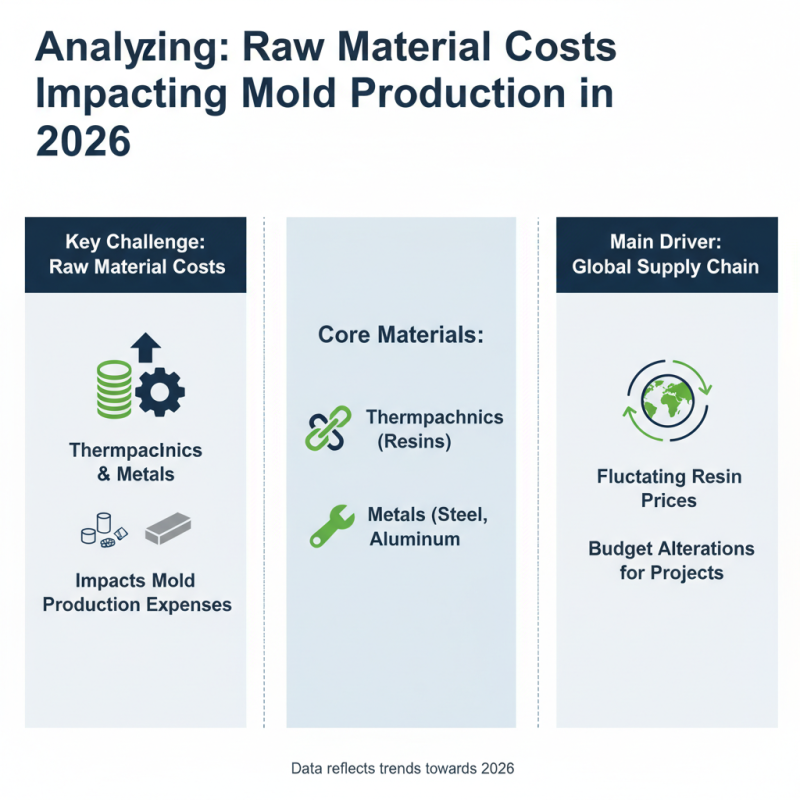
As we approach 2026, the injection molding industry faces significant changes. Raw material costs are rising, affecting mold production expenses. Materials like thermoplastics and metals are the backbone of this sector. Fluctuations in price can dramatically alter budgeting for projects. For instance, resin costs often reflect global supply chain issues.
Supply chain disruptions are frequent and unpredictable. Some materials may see price spikes due to geopolitical tensions. Not every company may be prepared for these sudden changes. They need to reassess suppliers and stock levels, which can become complex. Moreover, switching materials can lead to additional testing, increasing time and costs.
Environmental regulations are also shaping raw material choices. Sustainable options are gaining traction but can be pricier initially. Balancing cost with environmental impact is a task every company must confront. Adaptability in sourcing may be critical as trends evolve. Making informed choices will play a crucial role in the molding landscape of 2026.
Trends in Labor and Operational Expenses for Injection Molding Molds
Labor and operational expenses in the injection molding industry are on the rise. Recent reports indicate a significant 10% increase in labor costs over the past year. This trend places increased pressure on manufacturers seeking to maintain competitive pricing. Skilled labor is becoming scarcer, leading to wage hikes that affect overall production costs. Companies must consider investing in training to retain a proficient workforce.
Operational expenses are also experiencing shifts. Energy costs have surged by 15% recently, driven by global demand and supply chain disruptions. Moreover, materials for molds are experiencing price fluctuations due to sourcing challenges. In response, some manufacturers are seeking alternative materials that maximize cost efficiency while still ensuring quality. These adjustments could potentially impact the effectiveness of production.
The landscape is evolving, and manufacturers must adapt to these trends. The key to staying competitive lies in reducing waste and optimizing production cycles. Embracing advanced technologies, like automation, could streamline processes. However, these solutions require upfront investment, which can be a daunting decision for many businesses. Careful evaluation of these costs and potential returns is essential.
Technological Advances Shaping the Future of Mold Manufacturing Costs
The landscape of mold manufacturing is rapidly evolving. Technological advances are playing a crucial role in shaping injection molding mold costs. According to a report by Research and Markets, the global injection molding market is expected to reach $367.17 billion by 2026. Such growth is driven by innovations in automation, materials, and software.
Additive manufacturing is revolutionizing mold production. This technology allows for rapid prototyping and custom mold designs, significantly reducing lead times. A study from Deloitte suggests that companies embracing additive manufacturing can cut their costs by up to 30%. However, this transition requires investment in new machinery and training, which can be a barrier for smaller firms.
Moreover, new materials tailored for 3D printing are emerging. These materials often cost more initially but can enhance mold durability and longevity. As noted in the McKinsey report, companies must consider the long-term benefits against upfront expenses. Balancing these factors is challenging, and many businesses may need time to adapt their strategies effectively.
Regional Cost Variations and Their Influence on Injection Molding Pricing
Regional cost variations play a significant role in shaping the pricing of injection molding services. Factors like local labor rates, material availability, and shipping costs can lead to noticeable differences in mold expenses across regions. For instance, areas with a high concentration of manufacturing will often see lower costs due to the competitive landscape. Conversely, regions with fewer suppliers may experience inflated prices.
Understanding these regional differences is crucial for businesses looking to optimize their production budgets. It's vital to conduct thorough market research. Look for local suppliers and understand their pricing strategies. This can help in negotiating better rates.
**Tips:** Always consider the logistics involved in sourcing materials. Shipping costs can vary significantly depending on the distance. Engage with local industry experts to gain insights into real-time pricing trends. They often provide valuable information on regional cost fluctuations. This can save you money in the long run.