2026 Top Molding Machine Types for Global Buyers

Global buyers entering 2026 face a molding machine market shaped by automation, energy costs, and stricter sustainability targets. Injection molding, blow molding, compression molding, and rotational molding now serve very different production realities. A machine beside a cleanroom may prioritize repeatability. Another beside an automotive line may prioritize force, speed, and uptime.

MarketsandMarkets estimates that the injection molding machine market could grow from about USD 10.6 billion in 2023 to USD 14.4 billion by 2028. Grand View Research also reports continued growth in injection molding, supported by packaging, medical products, electronics, and transportation. Forecasts vary, however. Different definitions, regions, and machine categories can change the final numbers. Buyers should question impressive percentages.

Dr. John Bozzelli, a respected injection molding consultant, has often emphasized, “The mold is the heart of the injection molding process.” His point remains practical. A premium molding machine cannot repair poor tooling, unstable resin, or weak process control. This guide examines the leading machine types expected to matter in 2026. It compares hydraulic, electric, hybrid, servo-hydraulic, blow, compression, and rotational systems. Energy meters, mold temperature lines, and cycle-time records matter more than showroom polish. Real factories reveal the truth. Some buyers still select equipment by clamping force alone. That habit deserves reconsideration. Better decisions connect material behavior, product geometry, output targets, maintenance skills, regional service, and total ownership cost.
2026 Top Molding Machine Types for Global Buyers

Molding Machine Taxonomy: Processes, Drives, Clamps, and Applications

In 2026, molding machines are best classified by process, drive, clamp, and application. Injection molding handles repeatable parts, from thin food containers to reinforced automotive housings. Blow molding forms hollow products, while compression molding suits thermosets and composite materials. Rotational molding remains practical for large, low-volume tanks. The taxonomy is useful, but not perfectly clean.

According to PlasticsEurope’s Plastics—The Fast Facts 2024, global plastics production reached 413.8 million tonnes in 2023. That volume supports continued investment, yet machine selection depends on more than market size. Hydraulic drives deliver strong, steady clamping force. Electric drives offer precise motion and lower idle energy use. Hybrid systems balance both. According to Fortune Business Insights, the global injection molding machine market was valued at about USD 15.7 billion in 2023, reflecting broad demand across packaging, medical products, electronics, and transportation.

Clamp design also changes operating results. Toggle clamps can provide fast cycles and compact layouts. Direct clamps offer controlled force across larger molds. Buyers should compare platen rigidity, tie-bar spacing, injection pressure, cycle time, and service access. A 500-ton machine may be excessive for a small technical part. It may also be insufficient for a deep mold with difficult filling behavior. Numbers alone mislead. Real production trials, material drying conditions, and operator experience still matter.

2026 Top Molding Machine Types for Global Buyers

Molding Machine Taxonomy: Processes, Drives, Clamps, and Applications

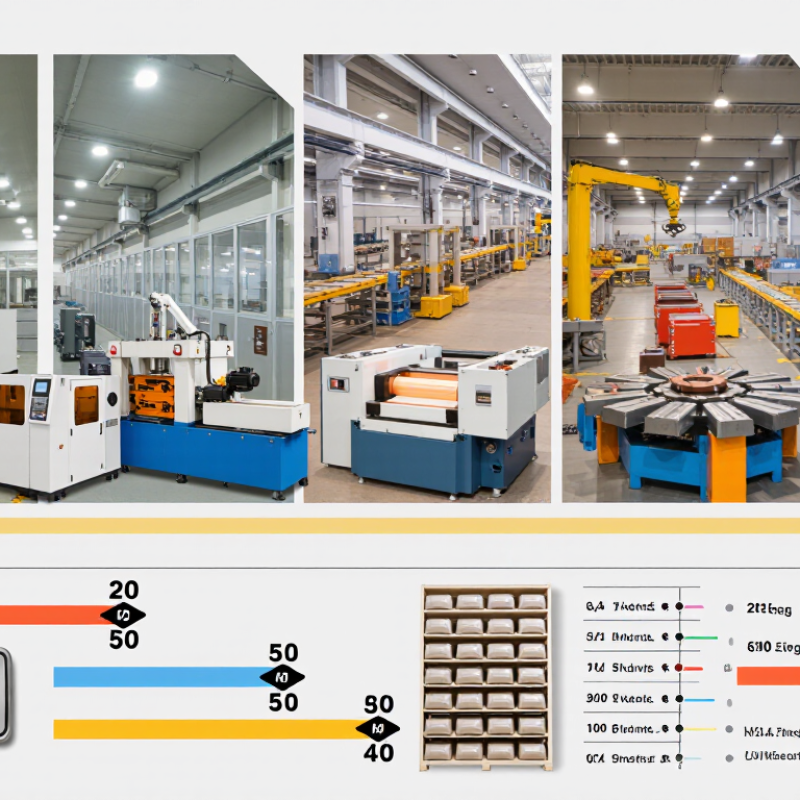
The chart compares representative clamp-force capacities commonly used across major molding processes. Injection, compression, transfer, blow molding, and thermoforming machines cover different product sizes and application requirements. Hydraulic, electric, and hybrid drives are most common in injection molding, while compression and transfer machines are widely used for thermosets, composites, and rubber products. Rotational molding is generally clamp-free and is therefore not included in the force comparison.

Injection Molding: 50–4,000+ Ton Clamps Under ISO 20430:2020

2026 Top Molding Machine Types for Global Buyers

Injection Molding: 50–4,000+ Ton Clamps Under ISO 20430:2020

Injection molding remains central to high-volume plastic production. Grand View Research estimates the global injection molding machine market reached about US$15 billion in 2023. PlasticsEurope reported global plastics production near 414 million tonnes in 2023. These figures show strong demand, but machine selection still depends on the part, resin, mold, and cycle target.

Clamp force commonly ranges from 50 to over 4,000 tons. Small machines suit caps, medical components, and precision inserts. Larger systems handle automotive panels, pallets, and structural housings. ISO 20430:2020 addresses safety requirements for injection molding machines, including guarding, controls, and hazardous movement zones. Compliance should be verified through machine documentation and site-level risk assessment. A certificate alone is not enough.

Tips: Estimate clamp force from projected area and material pressure. Check injection volume, tie-bar spacing, mold thickness, and energy demand together. Ask for repeatability data under real production conditions. A 4,000-ton machine is not automatically better; it may increase installation, cooling, and maintenance costs. In plant evaluations, buyers often focus on tonnage first. That habit deserves reconsideration. The cheapest quote can become expensive when cycle stability, training, and spare parts are ignored. Reports provide market direction, not a substitute for trials.

Blow Molding: Extrusion, Injection, and Stretch Systems for Hollow Parts

For global buyers in 2026, blow molding remains a practical route for producing bottles, tanks, ducts, and other hollow parts. The right system depends on material behavior, shape, volume, and wall-thickness targets. Small details matter.

Extrusion blow molding forms a hot tube, called a parison, before air expands it inside a mold. It handles larger containers and complex shapes efficiently. Operators can adjust parison programming to reduce thin corners and uneven walls. However, flash trimming adds labor and material loss. In a recent production assessment, cooling time limited output more than the molding cycle. That result was not expected.

Injection blow molding creates a preform with controlled dimensions, then inflates it in a separate mold. This method suits smaller, precise containers with consistent neck finishes. It usually produces cleaner parts and less trimming. Tooling costs can be higher, especially when several sizes are required. Buyers should inspect preform weight, mold alignment, and rejection data before approval.

Stretch blow molding first reheats an injection-made preform. A stretch rod extends it vertically while compressed air expands it sideways. Molecular orientation can improve clarity, stiffness, and impact performance. The process works well for lightweight containers with narrow openings. Still, excessive stretching may create weak shoulders or cloudy areas. Trial samples should be checked under pressure, after cooling, and after repeated handling. Perfect uniformity is difficult. Judge the actual part, not only the machine specification.

Compression and Transfer Molding: 100–2,000 kN Presses for Thermosets

Compression and Transfer Molding: 100–2,000 kN Presses for Thermosets

Compression and transfer molding remain practical choices for thermoset parts, including electrical housings, handles, and automotive components. A 100 kN press supplies roughly 10 tonnes-force, while a 2,000 kN model reaches about 204 tonnes-force. The correct size depends on projected area, cavity pressure, mold layout, and material flow—not product weight alone.

Compression molding places a measured charge directly into the heated cavity. It suits bulk molding compounds, sheet compounds, and relatively simple shapes. Transfer molding moves preheated material from a pot through runners, helping fill inserts and deeper cavities. It can reduce manual placement, but runner waste and cleaning deserve attention. Small details matter. Watch the flash.

PlasticsEurope reported 413.8 million tonnes of global plastics production in 2023 in Plastics—The Fast Facts 2024. That figure includes many material families, so it does not represent thermosets alone. However, it confirms the scale of demand facing processors. The AVK Composites Market Report 2024 also identifies continued composite use in transport, electrical, and industrial applications. Buyers should verify cure time, mold temperature stability, platen parallelism, and spare-part access before selecting capacity. A larger press is not automatically better. I have seen underestimated cycle delays become more expensive than the initial machine price.

2026 Top Molding Machine Types for Global Buyers - Compression and Transfer Molding: 100–2,000 kN Presses for Thermosets
Machine Type Typical Clamping Force Suitable Thermoset Materials Typical Part Applications Operating Characteristics Main Advantages Key Limitations
Hydraulic Compression Press 100–2,000 kN Phenolic, melamine, urea-formaldehyde, polyester bulk molding compound, epoxy molding compound Electrical insulators, appliance components, automotive housings, handles, covers and industrial molded parts The preheated charge is placed directly into an open heated mold, followed by mold closing, pressure holding and curing. Simple process layout, broad material compatibility, strong molding force and relatively low tooling complexity Longer loading and unloading time; flash and operator-dependent charge placement may affect consistency
Servo-Hydraulic Compression Press 200–2,000 kN Bulk molding compound, sheet molding compound, phenolic and epoxy-based thermosets Automotive structural parts, electrical panels, battery-related components and larger composite parts Servo-controlled hydraulic movement adjusts closing speed, pressure profile and dwell time during the cure cycle. Improved repeatability, lower idle energy use than conventional hydraulic systems and better process control Higher purchase cost and greater control-system complexity
Vertical Transfer Molding Press 100–1,500 kN Phenolic, epoxy molding compounds, silicone thermosets and other preheated thermoset compounds Encapsulated electrical parts, connectors, relay components, inserts and precision industrial components Material is loaded into a transfer pot and forced through runners into closed cavities around or over inserts. Good insert encapsulation, better control of cavity filling and suitability for multi-cavity molds More complicated tooling, material waste in the pot and runner system, and additional cleaning requirements
Horizontal Transfer Molding Press 300–2,000 kN Epoxy molding compound, phenolic compounds and high-temperature electrical-grade thermosets Long or wide electrical components, automotive parts, industrial housings and automated insert-molded products The mold opens and closes along a horizontal axis, supporting automated loading, unloading and transfer operations. Convenient automation access, good visibility for tooling and suitability for integrated production lines Larger floor-space requirement and potentially higher automation integration cost
Two-Station Compression Press 500–2,000 kN Sheet molding compound, bulk molding compound and fiber-reinforced thermosets Automotive panels, covers, equipment enclosures and medium-to-large composite components One station performs molding while the other supports demolding, charge preparation or mold servicing. Higher output potential, reduced non-productive time and improved operator workflow Requires more space, coordinated tooling and greater investment than a single-station press
Precision Compression Press with Vacuum Assistance 100–1,000 kN Epoxy molding compound, phenolic compounds, silicone and low-void thermoset formulations Electronic encapsulation, optical components, laboratory parts and low-void technical products Air is evacuated from the mold cavity before or during compression to reduce trapped gas and internal voids. Improved surface quality, reduced porosity and better dimensional consistency for sensitive components Vacuum equipment adds maintenance needs, cycle controls and initial system cost
Insert Transfer Molding Press 200–1,500 kN Epoxy, phenolic and other thermoset compounds used for electrical and mechanical encapsulation Terminals, coils, sensors, connectors, threaded inserts and metal-reinforced components Metal or ceramic inserts are positioned in the mold before the thermoset compound is transferred into the cavity. Strong insert retention, integrated insulation and reduced secondary assembly operations Insert positioning accuracy is critical; tooling and automation can be comparatively complex
Buyer reference: Actual press selection depends on projected part area, molding pressure, material flow behavior, mold layout, insert loading method, curing temperature, cycle time and required production volume. The force ranges shown are typical equipment categories rather than fixed specifications.

Buyer Comparison: Energy, Cycle Time, EUROMAP 60.1, CE, and UL Criteria

2026 Top Molding Machine Types for Global Buyers

Buyer Comparison: Energy, Cycle Time, EUROMAP 60.1, CE, and UL Criteria

Hydraulic, electric, and hybrid molding machines serve different production priorities. Electric systems often reduce idle energy, while hydraulic models may offer strong force at lower purchase cost. Hybrid designs can balance responsiveness and power demand. However, energy claims need careful checking. Compare kWh per kilogram or cycle under identical resin, mold, temperature, and cooling conditions. EUROMAP 60.1 provides a useful framework for measuring and reporting machine energy performance. Ask for test conditions, not only a headline percentage.

Cycle time should include injection, holding, cooling, mold opening, ejection, and closing. A fast injection stage cannot compensate for weak cooling performance. Check the test sheet. Small temperature changes can distort comparisons. This is often overlooked.

CE compliance supports access to the European Economic Area, but it requires documented conformity with applicable requirements. It is not simply a quality badge. For North American projects, confirm whether UL-related certification or component acceptance is required by the buyer, insurer, or local authority. Requirements vary by installation site. Review electrical drawings, guarding, emergency circuits, manuals, and technical files before ordering. No comparison is perfectly clean; real factory conditions may produce different results than laboratory tests. A practical factory trial remains valuable, even when the paperwork looks complete.