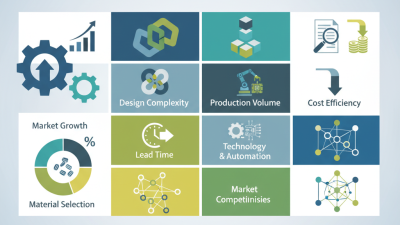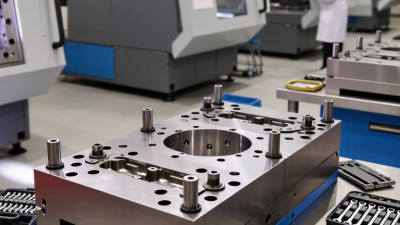
A reliable injection molding estimate is more than a unit price copied into a spreadsheet. It reflects tooling design, resin selection, part geometry, production volume, quality controls, and delivery conditions. For global buyers, small assumptions can create large cost differences. A mold quoted for 100,000 cycles may not suit a five-year program. A low-cost resin may also fail under heat, impact, or outdoor exposure.
Experienced buyers examine every cost line. They ask whether the quote includes mold steel, hot-runner components, sampling, inspection, packaging, and spare parts. They also check shipping terms, import responsibilities, currency changes, and realistic lead times. A supplier should explain the assumptions behind each figure, not simply offer an attractive total. Clear drawings, material certifications, inspection reports, and production records improve confidence. So does a direct technical discussion with the mold engineer.
No estimate is flawless. Even careful teams can miss a packaging change or underestimate secondary operations. That is why buyers should compare several detailed quotations and request a revision after design feedback. A practical review might examine a sample part, a draft analysis, and a line-by-line tooling proposal. The goal is not to find the cheapest number. It is to identify a dependable cost model that supports quality, capacity, compliance, and long-term supply. These ten injection molding estimate tips help global buyers ask sharper questions, expose hidden risks, and make decisions based on evidence rather than optimistic promises.
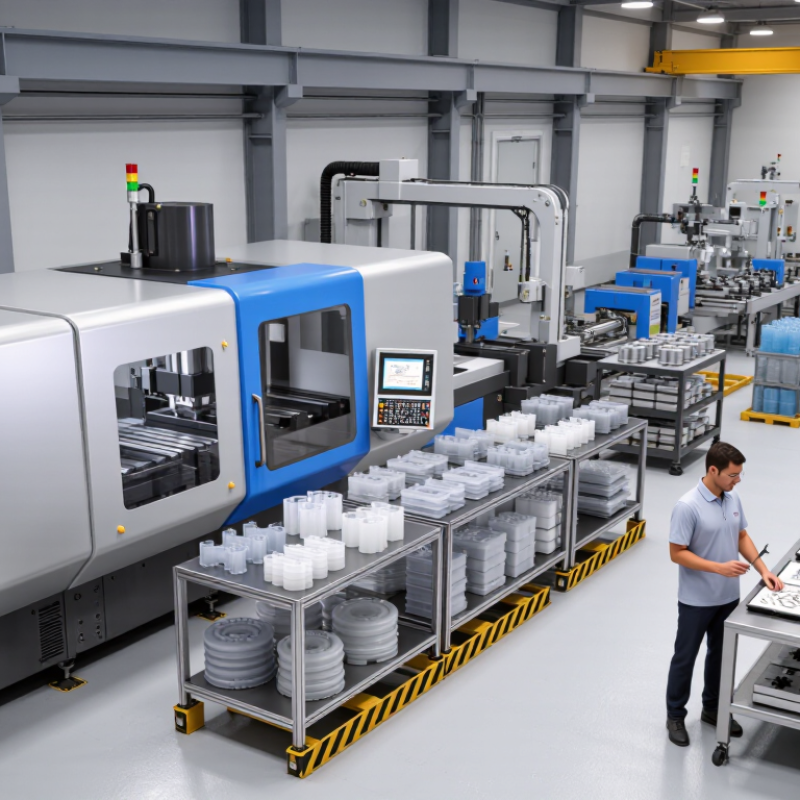
A reliable injection molding estimate starts with a precise product definition. Do not send only a product photo. Provide a current 2D drawing, 3D model, material grade, target color, surface finish, and critical dimensions. Include expected tolerances. A small tolerance change can affect tooling design, inspection time, and unit cost.
Production requirements matter just as much. State the expected annual volume, order quantity, delivery schedule, and preferred packaging method. Explain whether the part needs assembly, printing, inserts, or secondary finishing. For example, a 100-gram housing with a textured surface may require different tooling from a smooth housing of the same size. These details shape the machine size, cavity count, cycle time, and material consumption.
In practical sourcing work, unclear requirements create estimates that look attractive but fail later. Ask for assumptions in writing. Confirm whether the quoted price includes tooling trials, sample approval, inspection, and export packaging. Be honest about uncertain figures. A forecast may change, and that is normal. However, hiding uncertainty makes comparison difficult. It is also useful to define acceptance samples and measurement methods before production begins. Small omissions often become expensive corrections.
Top 10 Injection Molding Estimate Tips for Global Buyers
An injection molding estimate is more than a unit price. It combines material, tooling, production, labor, inspection, packaging, and delivery costs. A reliable estimate starts with a complete 3D model and clear technical drawings. Missing wall thickness or tolerance details can create expensive revisions later.
Part geometry strongly affects the mold design. Deep ribs, sharp corners, and undercuts may require slides or special inserts. The resin choice also changes the price. Engineering materials often need higher temperatures and stricter process control. Mold steel, cavity count, cooling channels, and expected tool life should appear as separate estimate items. A low cavity count may reduce tool cost, but it can increase the piece price.
Production cost depends on cycle time, machine size, labor, and planned quantity. Ask whether the estimate includes mold trials, sampling, inspection, and corrective adjustments. These details are easy to overlook. Small details matter.
Global buyers should also check packaging, freight, insurance, duties, and payment conditions. Request assumptions beside every major figure. For example, confirm the quoted resin grade, annual volume, acceptable color variation, and delivery destination. I have seen estimates change after one missing tolerance was discovered. That gap hurts. Even experienced teams should review the estimate line by line, because forecasts are useful but never perfect.
A reliable injection molding estimate separates tooling from the unit price.
Ask for the mold’s steel grade, cavity count, expected life, and maintenance allowance. A single-cavity tool may cost less upfront, but it can raise piece prices when annual demand is high. Request the quote both ways: tooling paid upfront and tooling amortized across a stated production volume. The assumptions matter.
Material costs need equal scrutiny.
Specify resin grade, color, additives, and the part’s net weight. Then ask how runners, start-up scrap, and rejected parts affect the quoted material usage.
PlasticsEurope reported global plastics production of 413.8 million tonnes in 2023 in its Plastics—The Fast Facts 2024 report. That scale does not predict your resin price, but it shows why suppliers should identify the grade and pricing basis rather than quote “plastic” as one cost.
Production costs often hide in cycle time and machine selection.
Request the estimated cycle, press tonnage, setup time, labor, inspection, and packaging as separate line items.
Grand View Research estimated the global injection-molded plastics market at USD 330.41 billion in 2023; its market report offers useful context, not a factory-level price benchmark.
Compare quotes using the same part drawing and volume forecast. One uncomfortable detail: early cycle-time estimates can be wrong. Ask what changes trigger a re-quote.
A molding estimate is only useful when every supplier prices the same part, material, and production volume. Share the latest drawing, resin grade, color requirements, and expected annual demand. Clarify whether the tooling price includes sampling, surface finishing, and spare inserts. Otherwise, a cheaper quote may simply leave important work off the page.
Small gaps matter. Compare unit prices at several order quantities, since setup costs and cycle times can change the break-even point. Ask suppliers to separate tooling, parts, packaging, and inspection charges. Confirm the assumed tolerance and reject rate; vague quality assumptions can create costly surprises later. A detailed quote is not automatically a better one, but it is easier to challenge.
Global trade expenses can narrow a price difference quickly. Check whether freight is quoted by air or sea, and whether the estimate includes export packing, cargo insurance, brokerage, and delivery to your facility. A compact crate may cost less to ship than bulky packaging, even when part prices match. Confirm the quoted currency, payment schedule, production lead time, and delivery terms in writing. Duties and local charges depend on the route and shipment details, so verify them with a qualified logistics provider. Estimates still have blind spots. Recheck the numbers when order volumes or shipping plans change.
Compare supplier quotes and global trade expenses by checking all 10 items across four cost areas.
How to use this chart: These bars count the comparison items in this checklist, not market prices or cost shares. Compare mold design and tooling (mold price, mold ownership), production (unit price, resin grade, order quantity), logistics (freight mode, insurance, delivery terms), and trade/compliance (duties and taxes, documentation and testing) across each supplier quote.
Top 10 Injection Molding Estimate Tips for Global Buyers
Verify Assumptions Before Approving the Estimate
An injection-molding estimate is only as useful as its assumptions. Check the resin grade, finished-part weight, runner design, cavity count, cycle time, scrap allowance, and annual volume. A four-cavity mold running a 30-second cycle will not match a single-cavity tool’s output. Ask for the calculation behind the unit price, not just the final figure. A tidy total can still hide a weak assumption.
Compare the estimate’s energy and labor inputs with local conditions. The U.S. Energy Information Administration’s Electric Power Monthly reported an average U.S. industrial electricity price of about 8.1 cents per kilowatt-hour in 2023. Use it only as a reference; tariffs, machine efficiency, and utilization vary by country and plant. Verify tooling steel, maintenance, sampling, packaging, freight, currency, and quote validity, too. Numbers need context. If drawings still have open tolerances, treat the quoted price as provisional.
Tip: Request a written assumption sheet. Confirm who pays for mold trials, rejected parts, and design changes. Ask the supplier to flag estimates based on unverified cycle times or material substitutions. Small omissions matter. Approval should follow clarification, not replace it.
Use this checklist to confirm that the quoted tooling, part price, production plan, and delivery terms match the same product and order assumptions.
| No. | Estimate Dimension | What to Verify | Useful Check or Calculation | Evidence to Request |
|---|---|---|---|---|
| 1 | Part definition and revision | Confirm the estimate uses the correct 2D drawing, 3D model, revision, units, and specified features. Check whether inserts, threads, textures, or side actions are included. | Match the drawing revision and model revision listed on the estimate to the files approved for quotation. | Documented drawing and model revision, plus a list of assumed or excluded features. |
| 2 | Resin and material grade | Check the exact resin family and grade, color, additives, recycled-content requirement, and any required certification. “Nylon” or “ABS” alone may not define a specific grade. | Compare the quoted material designation with the product specification and any required data sheet or compliance requirement. | Material grade, color method, supplier data sheet, and any agreed material substitution rules. |
| 3 | Part weight and material usage | Confirm whether the quoted weight is for the finished part only or also includes runners, sprues, and expected process loss. Clarify how runner material is handled. | For a simple material-cost check: material cost per part ≈ material mass used per part × material price per unit mass. | Quoted part weight, runner assumption, material price basis, and whether runner regrind is allowed. |
| 4 | Tool design and cavity count | Verify the number of cavities, gate type, hot- or cold-runner design, steel specification, and any required slides or lifters. Confirm whether the price is for one mold or multiple tools. | For a balanced multi-cavity tool, nominal parts per cycle equal the number of cavities; actual good output also depends on yield and cycle time. | Tooling scope, cavity layout, runner concept, major mechanisms, and a clear list of tooling exclusions. |
| 5 | Machine size and cycle time | Check that the proposed press can accommodate the mold and that the cycle-time estimate is based on the part design, resin, cooling, and automation assumptions. | Estimated machine hours ≈ required good parts ÷ (cavities × 3,600 ÷ cycle time in seconds × planned yield). | Press-tonnage basis, estimated cycle time, cavity count, planned yield, and any automation included. |
| 6 | Quality requirements and inspection | Identify critical dimensions, tolerances, appearance criteria, sampling frequency, and inspection method. Confirm whether gauges, measurement reports, or validation samples are included. | Check that each critical-to-quality feature has an agreed measurement method and acceptance limit. | Inspection plan, sample quantity, measurement report scope, and agreed defect or acceptance criteria. |
| 7 | Tool life and maintenance | Clarify the quoted tool-life basis and what counts as a shot or cycle. Confirm routine maintenance, repairs, spare components, and ownership responsibilities. | Expected production capacity from a tool depends on its stated cycle-life basis and the number of parts produced per cycle. | Tool-life definition, maintenance schedule, repair terms, spare-parts scope, and tool ownership documentation. |
| 8 | Finishing, assembly, and packaging | Check whether trimming, inserts, secondary machining, printing, assembly, protective packaging, and export packing are included in the piece price. | Compare the quoted price basis with the required delivered condition: molded part, finished part, assembled unit, or packed product. | Operation-by-operation scope, packaging specification, pack quantity, and any separately priced services. |
| 9 | Order quantity and price breaks | Confirm the production quantity, release schedule, minimum order quantity, and whether quoted prices depend on annual volume or a single purchase order. | Compare unit prices at the same order quantity and product scope; tooling charges should be shown separately from recurring production charges. | Price tiers, minimum order quantity, forecast assumptions, tooling charge, and any setup or changeover fees. |
| 10 | Delivery terms, freight, and validity | Confirm the named delivery place, applicable Incoterms® rule and version, freight and insurance responsibility, duties, lead time, payment terms, and estimate validity period. | Build a like-for-like landed-cost comparison by separating product price, tooling, freight, insurance, duties, and taxes where applicable. | Written delivery term, named place, shipment assumptions, lead-time start point, payment schedule, and quotation expiry date. |