Why is Plastic Extrusion Essential for Global Manufacturing?
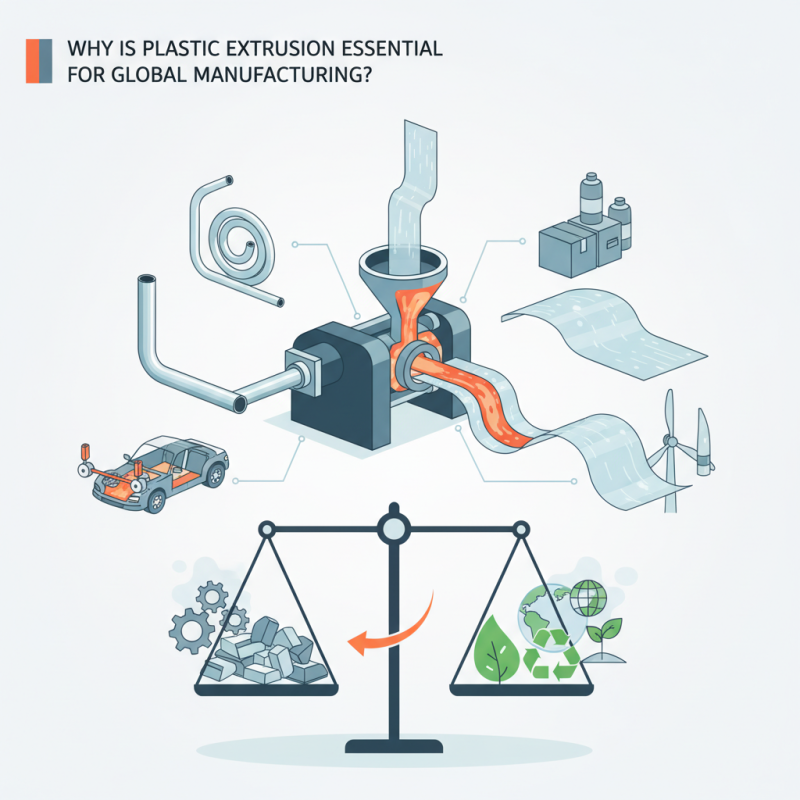
Plastic extrusion plays a vital role in global manufacturing. This process transforms raw plastic materials into useful shapes and products. The significance of plastic extrusion extends to various industries, from automotive to packaging.
By employing heat and pressure, manufacturers can create consistent and high-quality components. These include pipes, sheets, and films. This versatility makes plastic extrusion essential in meeting diverse consumer demands. However, the industry must address sustainability challenges.
As production increases, so do concerns about plastic waste. Manufacturers are being pushed to innovate. They need to explore eco-friendly materials and efficient recycling methods. The future of plastic extrusion hinges on finding a balance between mass production and environmental responsibility. This balancing act requires ongoing reflection and adaptation.
The Definition and Process of Plastic Extrusion
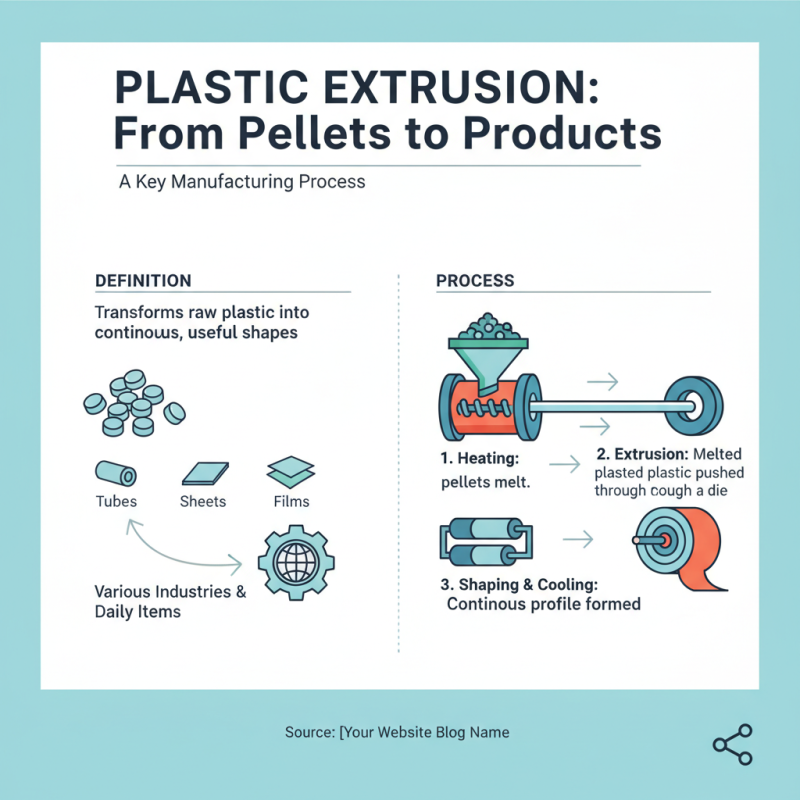
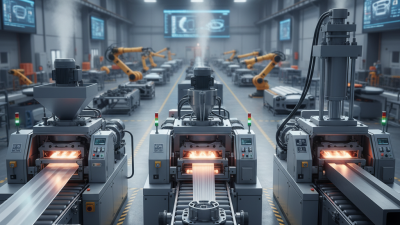
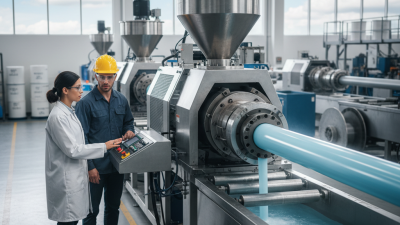
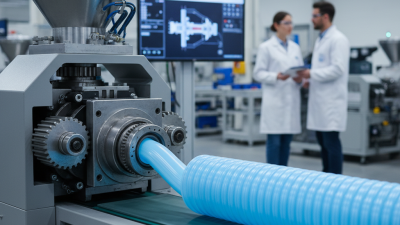
Plastic extrusion is a crucial manufacturing process. It transforms raw plastic into useful shapes for various industries. The process starts with heating plastic pellets until they melt. Once melted, the plastic is pushed through a die, forming it into continuous profiles like tubes, sheets, or films. This versatility makes extrusion essential for items we use daily.
In the extrusion process, precise control of temperature and pressure is vital. Small variations can affect the quality of the final product. Even experienced manufacturers can face challenges. Understanding these variables helps to ensure consistency and reliability.
Tip: Regular maintenance of extrusion equipment can enhance performance. Inspect machines frequently to avoid production interruptions. It is also wise to monitor the quality of raw materials. Poor-quality pellets can lead to defects. Ultimately, mastering the intricacies of plastic extrusion can yield substantial benefits for manufacturers.
Key Applications of Plastic Extrusion in Manufacturing
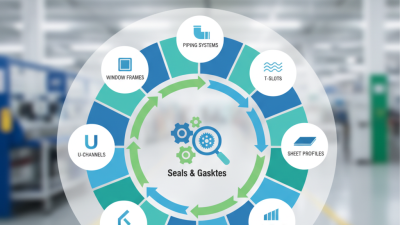
Plastic extrusion plays a crucial role in modern manufacturing. It allows for the creation of various shapes and products from plastic materials. This process is widely used in industries like automotive, construction, and packaging. For example, pipes and tubes produced through extrusion are essential for plumbing and construction. These products must meet specific durability and flexibility standards.
Another key application is in the creation of films and sheets. These materials are vital for packaging and protective coverings. They can be customized in thickness, color, and texture. However, consistency in quality can sometimes be a challenge. Manufacturers need to ensure that their extrusion processes are optimized to avoid defects. This requires a deep understanding of the materials and equipment involved.
The versatility of plastic extrusion is also evident in the production of profiles and components. These include window frames and electrical conduits. Each product serves distinct purposes and has unique requirements. There’s always a risk of misalignment or material inconsistency during production. Continuous improvement and monitoring are essential to mitigate these issues and enhance manufacturing reliability.
Benefits of Plastic Extrusion for Efficiency and Cost Reduction
Plastic extrusion plays a crucial role in global manufacturing. Its efficiency and cost-effectiveness are vital for industries ranging from automotive to consumer goods. The process involves melting plastic and forming it into shapes. This allows for high volume production at lower costs.
One significant benefit of plastic extrusion is material efficiency. The method minimizes waste by utilizing almost every part of the raw material. However, companies must carefully monitor this to ensure maximum utilization. Automating the process can further enhance efficiency. Still, reliance on automation can sometimes lead to unexpected downtime.
Quality control is another essential aspect. Producing consistent and reliable products through extrusion can be challenging. Variability in temperature and pressure can affect the final output. Businesses must invest in training and technology to address these issues. A proactive approach in managing production can lead to significant cost reductions. Ultimately, balancing efficiency with attention to detail can enhance overall productivity in manufacturing.
Why is Plastic Extrusion Essential for Global Manufacturing? - Benefits of Plastic Extrusion for Efficiency and Cost Reduction
| Dimension |
Description |
Benefit |
Impact on Cost |
| Material Efficiency |
Reduced waste during production through precise material input |
Saves raw materials and costs |
Up to 25% reduction in material costs |
| Production Speed |
Continuous process allows for high-volume production |
Increased throughput and efficiency |
Decreases labor hours, lowering total production costs |
| Customization |
Ability to tailor products to specific customer needs |
Enhanced customer satisfaction and loyalty |
Potential for premium pricing on customized products |
| Material Versatility |
Utilization of various plastic types in production |
Wider product range and applications |
Broadens market reach and reduces dependency on single materials |
| Energy Efficiency |
Modern extrusion equipment designed for lower energy consumption |
Reduction in operational energy costs |
Savings of up to 15% in energy expenses |
Environmental Considerations in Plastic Extrusion Practices
Plastic extrusion plays a critical role in modern manufacturing. However, environmental considerations are now at the forefront of industry practices. The plastic extrusion process, while efficient, raises concerns about waste and ecological impact. According to a report by the International Energy Agency, the production of plastic contributes nearly 3.8 billion metric tons of greenhouse gas emissions annually. This figure highlights the need for industry-wide changes.
Many manufacturers are adopting sustainable practices. For instance, recycling materials can significantly lessen the environmental footprint. The European Commission reported that improving recycling rates could reduce plastic waste in landfills by 55% by 2030. Yet, challenges remain. Only about 9% of plastics are currently recycled effectively, leaving a large gap for improvement.
To mitigate these issues, some organizations are exploring biodegradable materials and cleaner technologies. This shift can help address the negative impact of traditional plastics. Nevertheless, the transition is not without obstacles. Close attention must be paid to the performance of these alternatives. Ensuring they meet industry standards while being environmentally friendly is a complex challenge.
Future Trends and Innovations in Plastic Extrusion Technology
The future of plastic extrusion technology is bright. Recent reports show the global plastic extrusion market is projected to reach $27 billion by 2027. This growth is driven by advancements in materials and techniques that enhance efficiency. Circular economy principles are increasingly integrating into plastic manufacturing processes. Eco-friendly materials are gaining traction as companies strive for sustainability.
Recent innovations in extrusion include enhanced energy efficiency. Traditional processes consume significant energy, but new methods aim to cut this by 30%. This represents a major reduction in production costs, which is essential in today's competitive market. Additionally, 3D printing technologies are being combined with extrusion processes, allowing for greater customization and lower waste.
Tip: Consider investing in training for your workforce. Skilled employees can optimize new technologies and processes, driving better results.
Another trend is the use of smart sensors in extrusion lines. These sensors monitor parameters in real-time, ensuring consistent product quality. When problems arise, immediate adaptations can save time and material.
Tip: Regularly review your production data. Continuous improvement is key to staying ahead in this evolving industry.