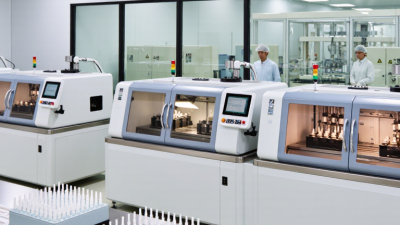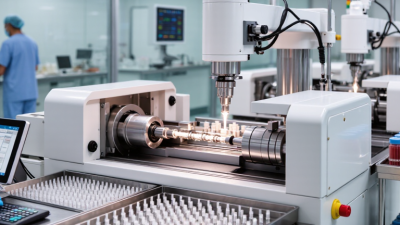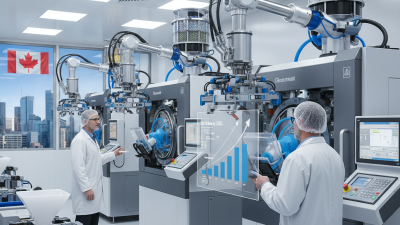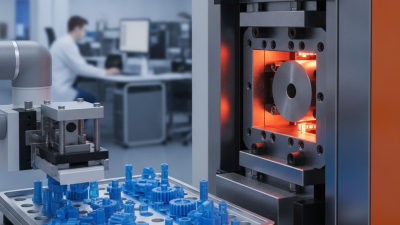
Choosing the best medical injection moulding companies in China requires more than comparing prices or browsing polished factory websites. Medical components may include clear housings, fluid connectors, or small precision parts, where a minor dimensional variation can affect assembly. Details matter.
A credible supplier should explain its manufacturing controls clearly. Look for documented material traceability, controlled production environments where appropriate, mold validation, and routine dimensional inspection. Ask how the company handles production changes, nonconforming parts, and lot records. These answers reveal more than a broad claim of experience. A cleanroom, for example, matters only when its controls match the product and process. That distinction is easy to miss.
This guide introduces factors for evaluating Chinese manufacturers, including technical capability, quality systems, communication, and experience with regulated medical projects. Certifications can be useful evidence, but their scope and current status should be checked rather than assumed. Request relevant project examples, review sample documentation, and confirm who owns tooling and engineering decisions. No shortlist can settle every question. Supplier fit depends on the device, materials, production volume, and required controls. Some details may remain unclear until a technical discussion. Use the companies and criteria in this overview as a starting point, then verify claims directly before making a sourcing decision.
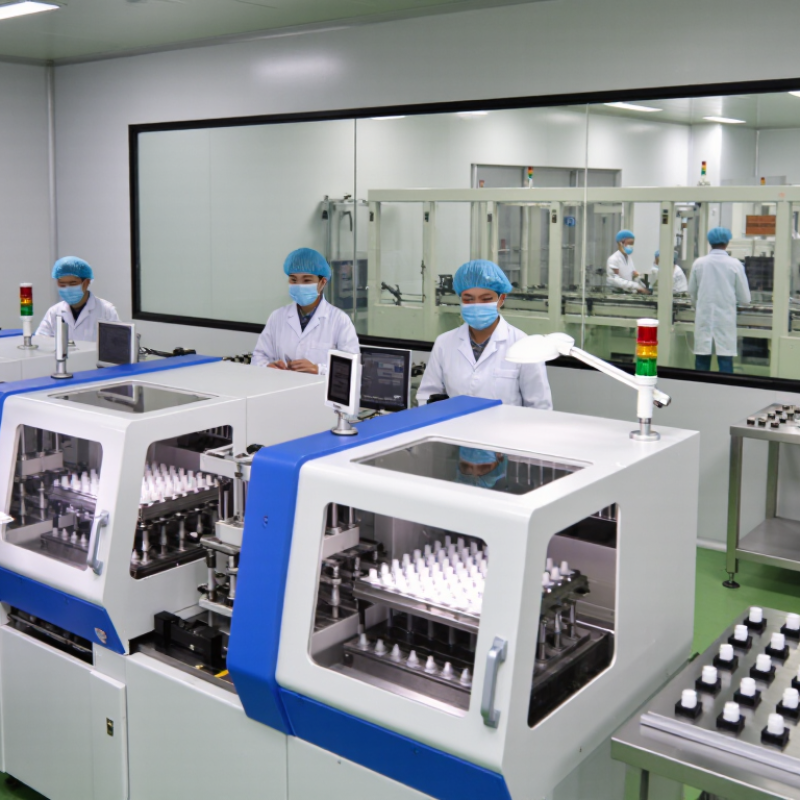
In China, medical injection moulding companies help turn product designs into consistent plastic components, from equipment housings and trays to fluid-handling parts. Their work often begins with reviewing drawings, material requirements, and expected production volumes. Engineers check wall thickness, draft angles, and parting lines before a mould is built. These details can affect filling, cooling, and the finished part’s dimensions. Small design changes can matter.
After tooling, teams set moulding parameters such as temperature, pressure, and cooling time. They may work with documented material batches and controlled production areas, depending on the component and customer requirements. Operators monitor parts for visible defects, while inspection staff check dimensions and other agreed specifications. Production records help connect a finished batch to its process history.
The work also includes trial runs, process adjustments, and quality documentation. Customers can ask how a supplier validates a process, handles changes, and investigates defects. A factory tour may reveal more than a polished brochure: look for orderly material storage, clear inspection steps, and consistent records. No supplier can promise that problems never occur; a useful sign is a clear, evidence-based response when they do.
Who Are the Best Medical Injection Moulding Companies in China?
How to Evaluate Medical Moulding Suppliers in China
Choosing a medical injection moulding supplier in China starts with evidence, not polished factory photos. Ask how the team controls resin identity, drying, machine settings, and lot traceability. A supplier should explain which controls apply to your product and why. Details matter.
Review quality records, including nonconformance handling, corrective actions, equipment calibration, and staff training. For regulated applications, request documentation suited to the product’s intended market; a certificate alone does not prove every process is appropriate. Arrange a live audit when feasible. Inspect the moulding area for labelled materials, clean containers, temperature records, and clear separation of accepted and rejected parts.
Request samples made with production-intent tooling and resin. Compare dimensions across cavities and batches, then examine inspection methods and acceptance limits. Discuss tool maintenance, engineering changes, ownership, and backup plans before ordering at scale. Communication counts. A vague answer about handling defects may signal future friction, though one awkward meeting proves little. Ask for measured process data, too; a small sample can look excellent while hiding variation.
Leading medical injection moulding companies in China are distinguished by disciplined process control, not just modern machines. They typically support product development, mould design, material selection, and production under documented quality systems. For medical components, small variations matter. A slightly uneven wall can affect fit, handling, or assembly.
Look for practical evidence: controlled production areas, documented material traceability, mould-maintenance records, and inspection data linked to defined specifications. Ask how suppliers validate moulds and processes, manage changes, and investigate defects. Relevant certifications can be useful, but buyers should verify their scope and validity rather than relying on a logo or brochure. Details matter.
Technical communication is another sign of a capable partner. Engineers should be able to discuss resin behaviour, shrinkage, tolerances, and cleaning or packaging needs in clear terms. Request sample parts and review measurements against your drawings. A factory visit can reveal whether procedures are followed on the floor, not merely described in presentations. No supplier is perfect. Even experienced teams can overlook a small issue, so clear escalation paths and corrective-action records are worth checking before production begins.
Comparing Chinese medical injection moulding suppliers means looking beyond machine tonnage and polished sample parts. MarketsandMarkets estimated the global medical device contract manufacturing market at US$75.4 billion in 2023, with a forecast of US$110.2 billion by 2028. That growth points to rising outsourcing demand, not automatic proof of supplier quality. Ask how each factory controls resin lots, mould changes, and process variation. Details matter. A clear traceability record should link a finished component to its material batch and production settings.
ISO 13485 certification is a useful quality-system indicator, but buyers should verify its scope, issuing body, and validity. Request audit evidence for the actual production site, not just a certificate PDF. Check whether mould qualification, process validation, cleanroom monitoring, and nonconformance handling fit the component’s risk. For sterile or tightly controlled parts, ask for environmental records and documented packaging controls. FDA registration, where relevant, should not be treated as product approval. One uncomfortable point: a supplier may have strong paperwork yet weak day-to-day discipline. Review recent inspection logs and sample measurement reports. A small mismatch in wall thickness can matter. So can a poorly documented resin substitution.
Choosing a medical injection-moulding supplier starts with the device, not a sales pitch. Share the part drawing, expected volumes, resin requirements, and use environment. Ask how the supplier controls mould design, material drying, and process changes. Request documented process-validation evidence and lot-level traceability. A certificate alone is not enough.
Grand View Research estimated the global medical-device contract-manufacturing market at USD 67.3 billion in 2023, with projected growth of 11.5% annually from 2024 to 2030. That expansion makes careful supplier qualification more important. Review the supplier’s quality system, cleanroom controls where needed, inspection methods, and capacity for repeat production. Examine sample parts for flash, short shots, and dimensional consistency. Ask who owns the tooling and how maintenance is recorded. A polished audit file is reassuring, but it cannot show every setup drift. No checklist catches everything.
Tips: Request a small pilot run before committing to production. Compare several parts across the run, not just one approved sample. Keep written records of agreed tolerances, resin grades, and change notifications. If a supplier’s answers feel vague, pause and ask for evidence.
| Selection Dimension | What to Verify | Evidence to Request | Why It Matters |
|---|---|---|---|
| Quality management system | Whether the supplier has a current, independently audited quality system appropriate to the project. ISO 13485 is specific to medical-device quality management; ISO 9001 alone does not establish ISO 13485 conformity. | Current certificate, certification scope, issuing body, audit details, and procedures for document control, nonconformities, corrective actions, and change control. | A documented system supports consistent production and traceable handling of quality issues. Confirm that the certified scope covers the relevant site and activities. |
| Regulatory and material traceability | How resin batches, production lots, process records, and inspection results are linked to finished parts. | Example lot-traceability records, material certificates, supplier-change notification procedure, and record-retention policy. | Traceability helps investigate defects and assess affected product if a material or process issue occurs. |
| Material suitability | Whether the proposed resin grade meets the device’s functional, sterilization, and regulatory requirements. Biological evaluation requirements depend on the device’s nature and intended use. | Exact resin grade and manufacturer documentation, lot certificates, sterilization compatibility data where relevant, and supporting biological-evaluation documentation. | Resin grades with similar names can differ in properties. The device manufacturer remains responsible for determining material suitability for the finished device. |
| Mould design and process capability | Experience with the part’s geometry, tolerances, resin, expected production volume, and any insert or multi-component moulding requirements. | Design-for-manufacturing review, mould-flow analysis when appropriate, tooling specifications, process-window documentation, and capability data for critical dimensions. | Early engineering review can identify risks such as warpage, sink, flash, or difficult-to-control dimensions before production tooling is finalized. |
| Process validation and change control | Whether production processes are validated when required and whether changes to tooling, materials, equipment, or process settings are assessed and approved. | Validation plan and reports, including applicable installation, operational, and performance qualification records; change-control and revalidation procedures. | Validation provides documented evidence that a process can consistently produce conforming output under defined conditions. The required approach depends on the process and applicable regulations. |
| Cleanroom and contamination controls | Whether the project needs controlled-environment production and, if so, whether the supplier’s room classification and monitoring plan match the requirement. | Cleanroom classification and current test records, environmental-monitoring plan, gowning procedures, cleaning records, and contamination-control measures. | Not every medical moulded component requires cleanroom production. Requirements should be defined from product risks and the device manufacturer’s specifications. |
| Inspection and measurement | Whether inspection methods cover critical-to-quality features and whether measuring equipment is calibrated and suitable for the tolerances. | Inspection plan, first-article report, dimensional results, equipment calibration records, and examples of statistical process monitoring where used. | Clear acceptance criteria and reliable measurements help verify that moulded parts meet drawing and functional requirements. |
| Capacity, delivery, and continuity | Available machine and tooling capacity, production lead times, maintenance arrangements, backup plans, and subcontracting controls. | Capacity plan, preventive-maintenance schedule, delivery-performance data, business-continuity plan, and disclosure of critical subcontracted operations. | Operational resilience and transparent capacity planning reduce supply interruptions and help align production with project demand. |
| Quoting and project communication | Whether the quotation clearly defines tooling ownership, validation scope, sampling, inspection, packaging, Incoterms, and assumptions. | Itemized quotation, project milestones, responsibility matrix, sample-approval plan, and written escalation contacts. | Comparable quotations and explicit responsibilities reduce misunderstandings during development, qualification, and production transfer. |
Evaluation note: There is no universally best supplier for every medical-device project. Compare qualified suppliers against the device’s documented requirements, risk level, production volume, and applicable regulatory obligations.