Why Choose Injection Molded Parts for Your Business?

Choosing injection molded parts can help a business produce consistent components at scale, but the process is not automatically right for every product. John Bozzelli, a respected scientific-molding consultant, offers a useful principle: “A stable process begins with a stable mold.” Mold quality matters. So does thoughtful part design. Uniform wall thickness, well-placed gates, and suitable resin can reduce defects such as sink marks and warping. These decisions are easier to address before tooling begins, when a small design change may cost less than a mold revision.

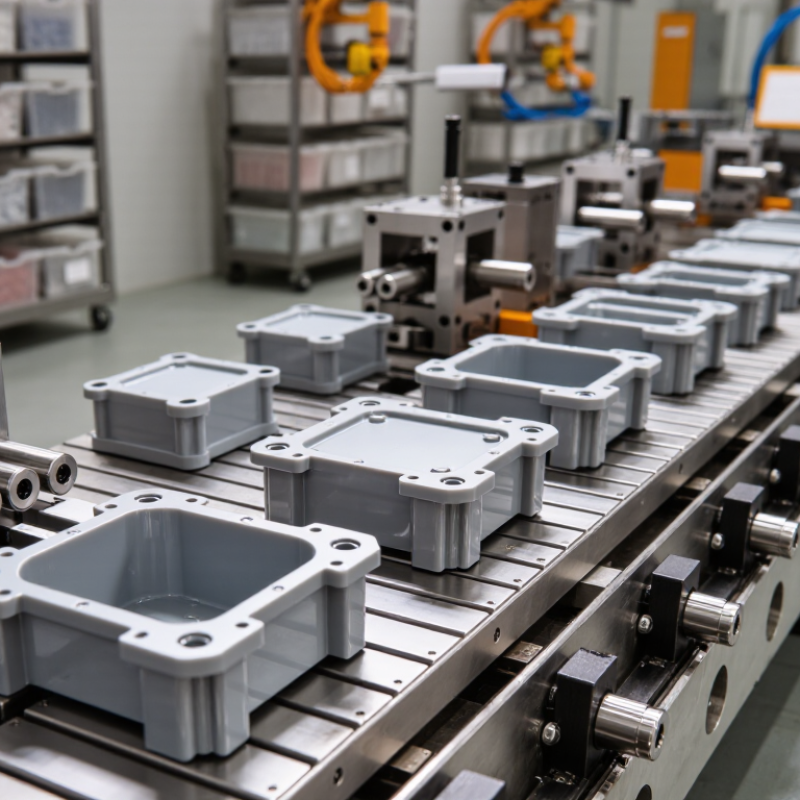
For teams weighing production options, injection molding can offer repeatability, fast cycle times, and a broad choice of engineering plastics. A simple housing, for example, may need strength around its screw bosses and a clean finish across its visible face. Those details affect tooling, material selection, and cost. Volume matters too: a high upfront mold investment may make sense for steady demand, but less so for a short run. That trade-off deserves a closer look. This introduction leads into the practical questions businesses should ask about design, materials, quality, production volume, and total cost. No process removes every risk; even a well-designed part can need adjustment after real production testing. That is worth remembering.
Why Choose Injection Molded Parts for Your Business?

What Injection-Molded Parts Are and How They Are Made

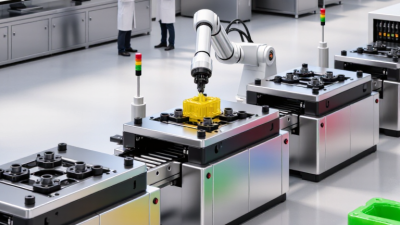
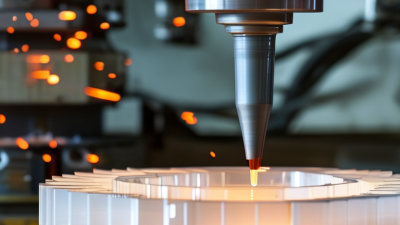
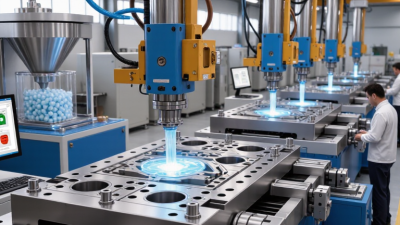
Injection-molded parts begin as small plastic pellets, often called resin. The material is fed into a heated barrel, where a rotating screw melts and mixes it. A measured amount of molten plastic is then pushed into a closed mold under pressure. The mold contains the shape of the finished part, including details such as ribs, clips, and screw bosses.

The plastic cools inside the mold until it holds its shape. Then the mold opens, and ejector pins release the part. That small step matters. Poorly placed pins can leave marks or distort a thin wall. Workers or automated equipment may trim gates and check dimensions, surface finish, and fit. For reliable results, the mold temperature, injection speed, and cooling time must stay within suitable ranges.

It is a repeatable process, but not magic. A poorly designed part can warp, trap air, or become difficult to eject. Designers often review wall thickness, draft angles, and the location of injection points before tooling begins. A simple test run can reveal issues that drawings miss. Tooling also takes time and investment, so injection molding tends to suit parts made in consistent, larger quantities. Changes after a mold is built can be costly, even when the change looks minor on screen.

Key Materials and Design Factors in Injection Molding

Choosing injection-molded parts starts with the material, not the mold. Each resin changes strength, flexibility, heat resistance, surface finish, and cost.

Polypropylene suits lightweight, chemically resistant components, while ABS offers a useful balance of toughness and finish.

Polycarbonate handles impact well, but may require attention to scratching and processing conditions. Nylon can carry loads, yet absorbs moisture that may affect dimensions.

Small details matter.

Ask how the part will be used. Will it sit near a warm motor, flex repeatedly, or contact cleaning fluids? A material that looks suitable on a data sheet may behave differently in the actual environment. Test representative samples when performance is critical. Test early.

Geometry shapes both quality and tooling effort.

Keep wall thickness as consistent as practical to reduce sink marks and uneven cooling. Add draft so parts release cleanly, and use rounded corners to limit stress concentrations. Ribs can strengthen a panel without making every wall thicker, but oversized ribs may leave visible marks.

Gate location, ejector positions, and tight tolerances also deserve early review. A small change to a hidden surface can sometimes simplify the mold substantially. Yet design reviews can miss real use conditions; a prototype may expose awkward grip, assembly, or cleaning problems before production.

Business Benefits of Choosing Injection-Molded Parts

Why Choose Injection Molded Parts for Your Business?

Business Benefits of Choosing Injection-Molded Parts

Injection molding can make high volumes of consistent parts with short cycle times. Once the mold is qualified, each shot repeats the same geometry, which helps control dimensions across a production run. It also supports complex details, such as snap-fit tabs, thin ribs, and textured surfaces, without separate assembly steps. Grand View Research estimated the global injection-molded plastics market at USD 330.42 billion in 2023 and forecast 4.7% annual growth from 2024 to 2030. This signals broad industrial demand, not a guarantee that molding suits every product. Tooling costs can be substantial, and design changes may require mold rework. That part is easy to underestimate.

Tips: Check expected lifetime volume before requesting a mold quote. Ask for a design review, sample parts, and clear tolerances. Confirm resin availability and cycle-time assumptions. Small details matter.

For a business, the main advantage is often predictable unit cost at scale. A well-designed mold can reduce labor, material waste, and post-processing. But low-volume launches may favor another process while demand is uncertain. Even experienced teams can misjudge shrinkage or warpage; real parts sometimes need another trial. Factor in quality checks, maintenance, and backup plans—not just the quoted part price.

Industries and Products That Use Injection-Molded Parts

Injection-molded parts serve industries that need consistent shapes, repeatable fit, and high-volume production. Automotive applications include clips, air-duct housings, cable connectors, and dashboard bezels. OICA recorded 93.5 million motor vehicles manufactured worldwide in 2023. That figure is not a count of molded components, but it signals the scale of a major demand channel. Small parts matter. A loose connector or brittle clip can cause trouble during assembly.

Healthcare uses molded trays, instrument handles, diagnostic-device housings, and fluid-management components. Grand View Research estimated the global injection-molded plastics market at USD 284.5 billion in 2023. Packaging and automotive are among its important end-use sectors.

Food and personal-care packaging uses caps, closures, thin-wall containers, and protective inserts. Electronics manufacturers also use molded connector bodies, switch housings, and cable-management parts. Fit must be exact. Material choice, wall thickness, and tooling influence resistance to heat, impact, and repeated cleaning.

Injection molding is not ideal for every product: low production volumes or frequent design changes can make tooling costs difficult to justify. A prototype and a realistic production quote can reveal that trade-off early.

How to Evaluate Costs, Production Needs, and Suppliers

Injection molding suits repeatable parts, but the tool cost changes the math. Grand View Research estimated the global injection-molded plastics market at USD 284.2 billion in 2023, with continued growth projected through 2030. That scale does not guarantee savings for every buyer. Divide tooling, material, machine time, inspection, and freight costs by realistic lifetime volume—not an optimistic forecast. A 20-gram cover with thin ribs may look simple, yet its mold can need careful cooling and extra tuning.

Production needs shape the decision. OECD’s 2022 Global Plastics Outlook reports that worldwide plastics production reached 460 million tonnes in 2019, twice the 2000 level. For your part, specify resin, annual volume, tolerances, color, and expected product life. Ask suppliers for cycle-time assumptions, scrap rates, mold-maintenance plans, and sample inspection records. A quoted price without these details is hard to compare. Small trial runs can expose warping or sink marks before a full production order. This is easy to overlook.

Compare suppliers on process evidence, not just the lowest unit price. Request a mold-flow review for complex walls, clear ownership terms for the tool, and a production schedule with approval checkpoints. Ask how they handle design changes after tooling begins. One uncomfortable question: what happens if actual demand is half your forecast? The answer may change the process choice. Even careful estimates miss something. Check the assumptions again.