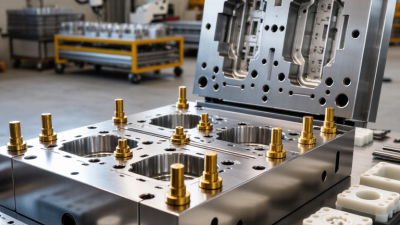
An injection molding quote may arrive as one number, but that number reflects many connected decisions. The injection molding cost depends on the part, the mold, the production plan, and the finish customers expect. A small plastic clip with thin walls and a simple shape can require a very different setup from a large housing with ribs, tight tolerances, and visible surfaces. Details matter.
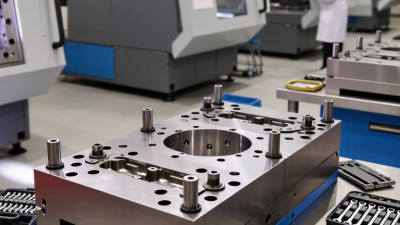
Tooling is often a major upfront expense. Mold size, cavity count, steel selection, and features such as slides or lifters can all affect its price. The resin matters too. Commodity plastics may cost less per kilogram than specialty grades, while color, additives, and performance requirements can change both material price and processing conditions. Even a modest design change can affect how easily a part fills, cools, and releases from the mold.
Production volume changes the calculation. A higher order quantity may spread tooling expenses across more parts, but it does not make every project cheaper in every respect. Cycle time, machine size, scrap rates, secondary operations, packaging, and shipping also shape the final estimate. The estimate is never perfectly neat. Real projects include assumptions, and some only become clear after design review or sample runs.
A useful cost comparison should spell out what each quote includes, from mold construction to inspection and finishing. Ask suppliers to identify key assumptions, expected tolerances, and any costs that could change with design revisions. This guide examines the main factors behind injection molding cost and shows why a low initial quote may not represent the lowest total project expense.
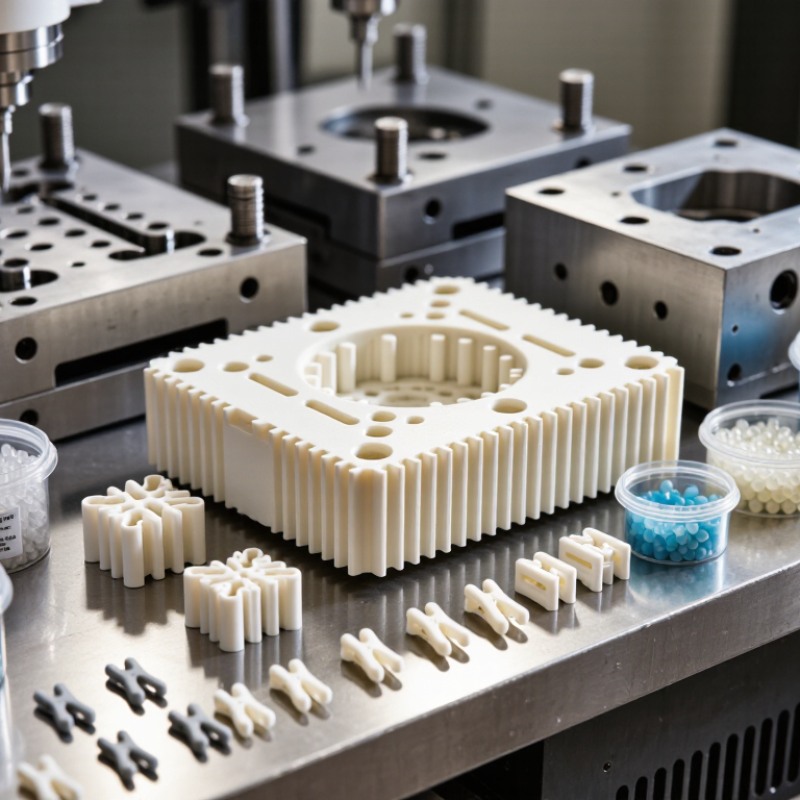
An injection-molding quote usually combines tooling, production, and finishing costs. The mold is often the largest upfront expense: a simple, single-cavity tool costs less than a complex, multi-cavity mold with slides and tight tolerances.
That cost is spread across the order quantity. A mold priced at $20,000 adds $2 per part across 10,000 parts, but only $0.20 across 100,000. The arithmetic is simple. Forecasts are not.
Production charges typically cover resin, machine time, labor, and factory overhead. Machine time depends on press size and cycle time; a few extra seconds per cycle can matter across thousands of shots.
Resin grade, part weight, color, and scrap rates also affect material spend. Trimming, assembly, and inspection add separate costs.
In practice, buyers sometimes overlook setup and sampling charges because they focus on the quoted part price.
Market data offers context, not a shop-floor price. Grand View Research estimated the global injection-molded plastics market at $284.2 billion in 2023 and projected 4.8% annual growth through 2030. That scale reflects broad demand, not a universal cost formula.
Request an itemized quote showing tooling, unit price, assumptions, and expected production volume.
One caveat: early estimates can shift when part geometry or resin changes.
Top Factors That Affect Injection Molding Cost?
How Part Design and Material Selection Affect Cost
Part geometry influences both tooling complexity and production time. Deep ribs, side holes, and undercuts may require extra mold components or moving mechanisms. Those features can raise tool costs and add maintenance needs. Small changes matter. A straight-pull design is often simpler, though it may not suit every part.
Wall thickness also affects cost. Uneven sections can cool at different rates, increasing the risk of sink marks, warping, or longer cycle times. A consistent wall can help, but making every wall thinner is not automatically cheaper. The part still needs enough strength for its real use. Tight tolerances may require more precise tooling and inspection, so specify them only where function demands it.
Material selection changes more than the resin price. A resin with high stiffness or heat resistance may need different processing conditions, and some materials require careful drying before molding. That can add handling time. Recycled or filled grades may offer savings in some applications, but appearance, strength, and flow behavior should be checked with the molder. Not always. Early design reviews and sample testing can expose trade-offs before tooling is finalized. Estimates still depend on order volume, part size, and process details; a first quote may need revision. That uncertainty is worth discussing openly.
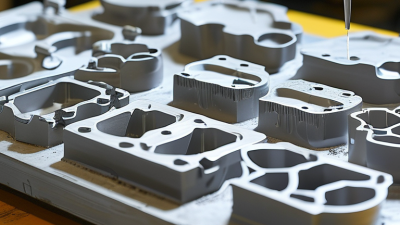
A mold’s cost depends less on its size than on the work required to produce consistent parts. A flat cover with straight walls may need a simple two-plate tool. A housing with snap-fits, side holes, and textured surfaces may require slides, lifters, and careful venting. These features add machining and alignment work. Small details matter.
Tool life changes the investment calculation. A short run may suit a less expensive tool material, while high-volume production often requires hardened steel and replaceable wear components. Abrasive, glass-filled resin can wear gates and cores faster than unfilled resin. Ask for a shot-life estimate tied to the material, cycle conditions, and maintenance plan. A number without assumptions is weak.
Mold complexity can also reduce costs elsewhere. A side action may increase the tool price but eliminate drilling or assembly after molding. Compare the full part cost, not the mold quote alone. Design reviews should check draft angles, wall thickness, and gate placement before tooling begins. Still, forecasts can miss real wear patterns. A small production trial may reveal issues that a clean spreadsheet cannot.
Production volume changes how mold cost is spread across each part. A $30,000 mold adds $30 per piece at 1,000 parts, but only $3 at 10,000. Simple math. The comparison assumes every part is usable and excludes setup, scrap, and maintenance. For a short run, a lower-cost mold may make sense. With steady demand, a durable multi-cavity tool can lower unit cost, provided the volume justifies it.
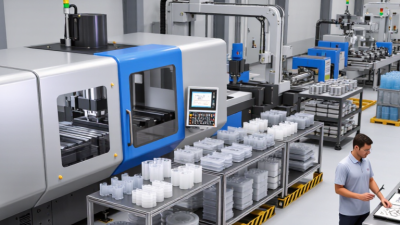
Cycle time is the time needed for one complete molding cycle: injection, packing, cooling, and ejection. A press producing a part every 30 seconds can make more parts per shift than one running a 40-second cycle. That can reduce machine cost per unit. Cooling often dominates. Still, cutting cycle time is not automatically a saving. Ejecting too early can warp a part, while faster filling may create defects. A few rejected pieces can erase the gain.
A realistic estimate should use production trials, not just an ideal machine setting. Record the stable cycle time while checking dimensions and surface finish. Include changeovers, inspection, and ordinary stoppages. This is easy to underestimate. Forecasts can also be wrong, so a costly high-volume tool may sit underused if demand falls short.
A smooth, glossy surface often costs more than a standard molded finish. The mold may need additional polishing, and every visible mark becomes harder to hide. Textured surfaces can also require careful tool preparation. After molding, parts may need trimming, painting, coating, or assembly. Each step adds labor, handling, and time. A small burr around a clip opening, for example, may require manual cleanup across thousands of parts. These details matter. A finish chosen for appearance can affect both tooling cost and the price of every unit.
Quality requirements add costs through tighter tolerances, extra inspections, and more detailed records. Measuring a critical feature on every part takes longer than checking a sample. Some projects also need gauges or fixtures designed for repeatable checks. High standards can reduce fit problems later, but they may increase scrap if the process is not stable. It is easy to over-specify a dimension before confirming its function. I have seen a drawing demand precision that the assembly never needed. Review those requirements with the molder before the design is locked.
Tips: Mark cosmetic surfaces clearly on the drawing. Identify critical dimensions, and explain why they matter. Ask which checks happen during production, not just at final inspection. Keep finish requirements practical. A little flexibility can save cost without compromising performance.