What is a Plastic Extruder and How Does it Work?
In the world of manufacturing, a plastic extruder plays a crucial role. According to Dr. Emily Carter, a renowned expert in polymer processing, "The plastic extruder is the backbone of many production lines." This machine transforms raw plastic materials into usable forms through a process that combines heat and pressure.
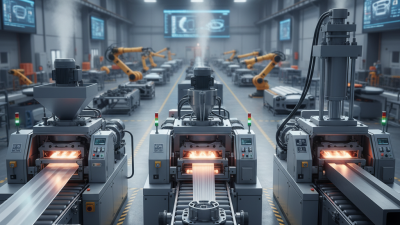
A plastic extruder functions by melting thermoplastic pellets and forcing them through a shaped die, creating a continuous profile. This profile can be cut and shaped into various products. The precision of this process is essential for quality control. A small error can lead to flaws in the finished product, highlighting the need for expertise in operation.
Despite advancements, challenges remain. Maintaining temperature consistency is vital but difficult. If the material overheats, it can degrade. Operators must stay vigilant. Continuous training in this field is necessary to navigate these complexities. Understanding the intricacies of a plastic extruder is vital for any manufacturer looking to produce high-quality plastic goods.
What is a Plastic Extruder?
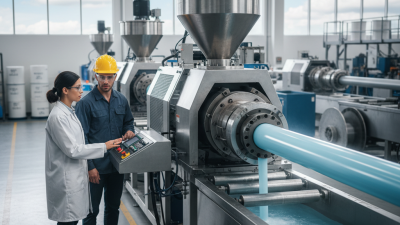
A plastic extruder is a vital machine in manufacturing. It transforms plastic pellets into continuous profiles, sheets, or films. The process begins by feeding pellets into a heated hopper. Here, the temperature rises, softening the plastic. Reports from the Plastic Industry Association indicate that around 35% of all plastic is processed using extrusion methods.
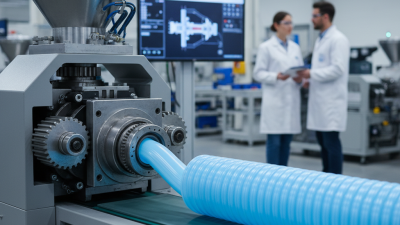
Once softened, the plastic moves through a screw mechanism. This screw forces the material forward, mixing and shaping it as it travels along the barrel. Different shapes can be created by using various die designs. A recent study showed that the extrusion industry is expected to grow by approximately 4% annually, driven by increased demand in automotive and construction sectors.
Despite its efficiency, not all processes run smoothly. Material issues can cause blockages. Operators must monitor temperature and pressure closely. Any imbalance can lead to defects in the final product. Understanding the intricacies of this machinery is crucial for quality control. In 2022, an estimated 15% of extruded products faced scrutiny due to such quality issues. Addressing these challenges is essential for advancing extrusion technology.
Plastic Extruder Production Output
Main Components of a Plastic Extruder
The plastic extruder is a complex machine used to process polymers into usable forms. Understanding its main components is essential. The feed hopper is the starting point, where plastic pellets are loaded. It feeds the material into the barrel, where the temperature is precisely controlled. This helps melt the plastic uniformly. An efficient feed hopper prevents jams and ensures a steady flow.
The screw is another vital component. It is designed to mix and convey the melted plastic through the extruder. The screw's design influences the melting speed and mixing quality. Proper screw design is crucial for achieving uniform viscosity. Overly complicated screw designs can lead to processing inefficiencies.
Finally, the die shapes the extruded plastic as it exits. Dies come in various shapes, tailored for specific applications. If the die is improperly designed, the final product may have defects. This highlights the need for careful planning and design in the extrusion process. Reflecting on these components shows how critical each part is in achieving high-quality output.
The Process of Plastic Extrusion Explained
Plastic extrusion is a vital process in manufacturing plastic products. At its core, it involves melting plastic pellets and forcing them through a die. This creates a continuous shape, which can be cut to desired lengths. The process begins with feeding raw plastic material into a hopper. From there, it moves through a screw-like mechanism, gradually heating up.
The plastic melts and becomes a viscous material. It is then pushed through a shaping die. During this phase, the design of the die is critical. Small changes can lead to significant differences in the final product. This requires precise engineering and an understanding of material behavior.
Cooling follows extrusion, which solidifies the shape. Water baths or air cooling systems often aid in this stage. Yet, not all extrusions achieve perfect dimensions. Variations in temperature or pressure can lead to defects. Manufacturers must constantly adjust their equipment. Each batch may require fine-tuning to ensure quality and consistency. Therefore, the plastic extrusion process is as much an art as it is a science, necessitating ongoing improvement and adaptation.
Applications of Plastic Extrusion in Industries
Plastic extrusion is a vital process in many industries, playing a key role in manufacturing various plastic products. This technique allows for the continuous formation of plastic into desired shapes, providing both efficiency and versatility. According to a report by Grand View Research, the global plastic extrusion market is expected to reach USD 323.49 billion by 2025, growing at a CAGR of 5.7%. This highlights the increasing reliance on plastic extrusion across different sectors.
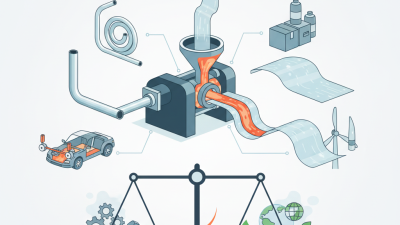
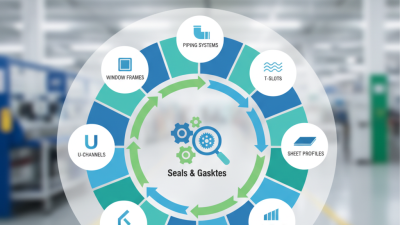
The applications of plastic extrusion are diverse. In construction, it is used to create window frames, door profiles, and piping systems. The automotive industry employs extrusion for producing light-weight components, contributing to fuel efficiency. Moreover, food packaging relies heavily on plastic extrusion to create durable and safe containers. A study from the Plastics Industry Association noted that about 18 million tons of plastic are extruded annually for food packaging, demonstrating its significance in ensuring product safety and shelf-life.
Despite its advantages, the extrusion process can have challenges. Maintaining consistent quality is crucial yet can be difficult. Fluctuations in raw materials can impact the final product. Industry professionals must continuously monitor production parameters. Innovation in extrusion technology is required to address these issues and improve efficiency. Overall, while plastic extrusion offers immense benefits, ongoing refinement in processes remains essential for optimal results.
Advantages and Limitations of Plastic Extruders
Plastic extruders play a crucial role in the manufacturing process of various plastic products. Understanding their advantages and limitations can help manufacturers optimize production. One significant advantage is efficiency. Data from the Plastics Industry Association indicates that plastic extruders can produce thousands of pounds of product per hour. They enable consistent product quality, which is essential for meeting market demands.
However, limitations exist. For example, plastic extruders are often subject to wear and tear, especially under continuous use. This can lead to increased maintenance costs and downtime. Additionally, the initial investment in extruder technology can be high, which might deter small businesses. Standard reports indicate that around 20% of small manufacturers struggle with capital expenditures in this domain.
Maintenance Tip: Periodically inspect the barrel and screws for signs of wear. Replacing components on time can prevent costly breakdowns.
Design Tip: Consider product design intricacies. Complex shapes may require specialized extruders, which can be costly and time-consuming to set up.
By balancing the pros and cons, manufacturers can make informed decisions regarding their extrusion processes. Taking a reflective approach can aid in maximizing the output while minimizing setbacks.
What is a Plastic Extruder and How Does it Work? - Advantages and Limitations of Plastic Extruders
| Feature |
Description |
| Definition |
A plastic extruder is a machine that melts and shapes plastic by forcing it through a die. |
| Process |
The process involves feeding plastic pellets into a hopper, where they are heated and then pushed through a screw mechanism. |
| Applications |
Used for producing pipes, sheets, films, and complex profiles in various industries. |
| Advantages |
High efficiency, ability to produce complex shapes, and versatility in materials. |
| Limitations |
Limited to specific types of plastics, potential for degradation of materials due to heat, and initial setup costs. |
| Maintenance |
Regular cleaning and inspection are required to prevent contamination and maintain efficiency. |
| Environmental Considerations |
Challenges include waste management and energy consumption during the extrusion process. |