2026 How to Use Prototype Injection Molding Effectively?
Prototype injection molding is a crucial step in product development. It offers a faster way to create precise components. According to a report by Grand View Research, the global injection molding market size is expected to reach $345 billion by 2025. This highlights the immense potential of prototype injection molding in various industries.
Using prototype injection molding effectively requires understanding its strengths and limitations. It allows for quick iterations and early-stage testing. However, not all designs are ideal for prototyping. The choice of materials can greatly influence outcomes. Poor material selections can lead to warp or inaccurate shapes, necessitating further adjustments.
Additionally, achieving high-quality results demands expertise from engineers and designers. This process can expose design flaws early, saving time and resources in later stages. Balancing speed and precision is essential but often challenging. The effectiveness of prototype injection molding relies on careful planning and execution, emphasizing the importance of skilled professionals in this field.
Understanding Prototype Injection Molding: Key Concepts and Benefits
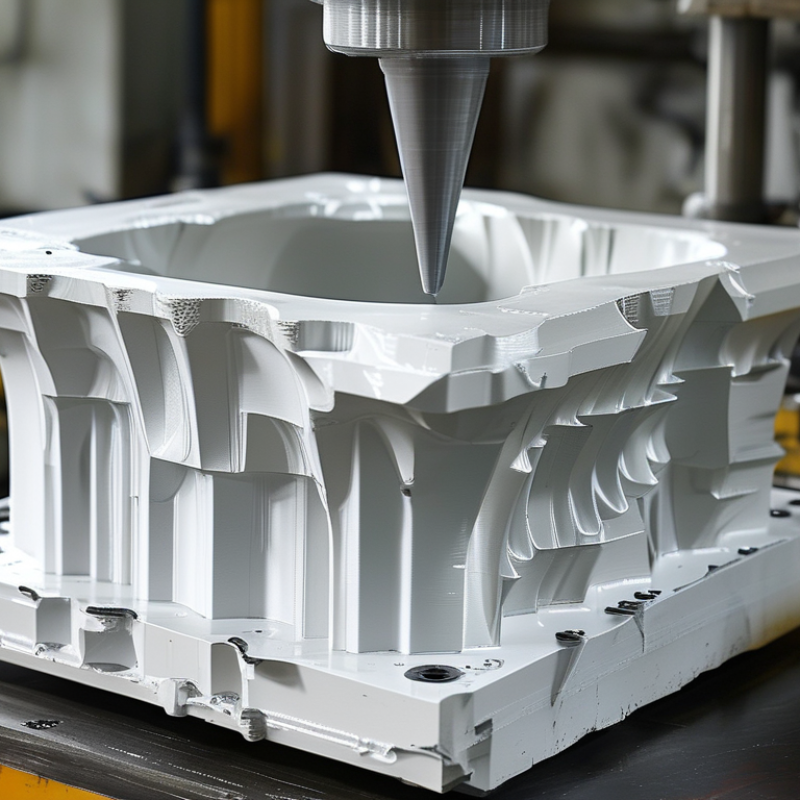
Prototype injection molding is a valuable tool in product development. It allows designers to create functional prototypes quickly. These prototypes help identify design flaws early, saving time and resources.
Understanding key concepts is essential. The process involves creating a mold to shape molten plastic. This method allows for high precision and repeatability. However, achieving the perfect balance between speed and quality can be challenging. Designers often face issues with material flow and cooling times, leading to imperfections in prototypes.
The benefits are significant. Fast turnaround times enable quicker revisions. Lower costs compared to traditional tooling methods can be beneficial for startups. Yet, some might neglect the iterative design process, which is vital for success. Continuous testing and evaluation of prototypes can lead to better final products, ensuring reliability and performance in the market. A proactive approach to these challenges can enhance overall effectiveness in prototype injection molding.
Selecting the Right Materials for Effective Prototype Injection Molding
Selecting the right materials for prototype injection molding is crucial. Each material has its own properties, which affect functionality and costs. Common choices include thermoplastics, like ABS and polycarbonate, which are both versatile. However, their mechanical properties vary widely. Understanding these differences helps in making a better decision for prototype needs.
Consult with specialists to match your project with suitable materials. A common issue arises from choosing materials without proper testing. For example, using a material that lacks required strength can lead to prototype failure. This can be costly in terms of both time and resources. Observing how materials behave under stress and environmental conditions is essential.
It's also important to consider the intended use of the prototype. Aesthetic requirements might necessitate certain materials, while functional aspects may demand others. Balancing these factors requires careful thought. Prototype injection molding can reveal hidden challenges, such as material handling difficulties or unexpected shrinkage. Addressing these issues early can save future headaches and improve overall results.
Essential Steps in the Prototype Injection Molding Process
Prototype injection molding is a critical process in product development. It allows manufacturers to create functional prototypes quickly. The journey begins with detailed design specifications. Designers must collaborate with engineers to ensure manufacturability. According to a recent industry report, about 65% of prototypes face adjustments after initial production. This indicates a strong need for clear communication at the outset.
Once the design is finalized, selecting the right materials is essential. The choice can affect strength, durability, and cost. For instance, using thermoplastic elastomers enables flexibility while maintaining reliability. However, the wrong material choice can lead to premature failure. Ensuring that testing conditions mimic real-world applications can reveal weaknesses early. Interestingly, studies suggest that about 70% of prototype iterations stem from material issues. This emphasizes the importance of thorough material research.
The final step in the process is the molding itself. Careful control over injection speed and temperature is necessary. These factors influence the prototype's surface finish and dimensional accuracy. Defects may arise if these parameters are not properly managed. Reports indicate that 30% of prototypes experience surface blemishes due to temperature inconsistency. Continuous testing and validation at this stage can reduce costly mistakes later on. Engaging in a reflective practice helps teams learn and improve outcomes in future projects.
2026 How to Use Prototype Injection Molding Effectively? - Essential Steps in the Prototype Injection Molding Process
| Step |
Description |
Materials |
Applications |
| 1 |
Design the Model |
CAD Software |
Concept Validation |
| 2 |
Create Prototypes |
PLA, ABS |
Functional Testing |
| 3 |
Molding Process |
Silicone, Aluminium |
Small Batch Production |
| 4 |
Quality Testing |
Inspection Tools |
Final Approval |
| 5 |
Feedback and Iteration |
User Surveys |
Product Refinement |
Common Challenges in Prototype Injection Molding and Solutions
Prototype injection molding offers significant advantages in product development. However, it comes with its own set of challenges that need addressing to achieve optimal results. One common issue is achieving dimensional accuracy. Variations in temperature and pressure during molding can lead to discrepancies. To counter this, using precise control mechanisms is essential. Regular calibration of equipment helps maintain consistency, ensuring prototypes match design specifications closely.
Another frequent challenge is material selection. Different resins behave uniquely under varying conditions. For instance, a material that works well at room temperature may warp under heat. It's crucial to test multiple materials to find the right balance of strength and flexibility. Conducting small-scale trials can reveal the best options without significant investment.
Finally, timing can be a significant hurdle. Delays in mold design or material procurement can slow down the entire process. Proper planning and establishing timelines can improve workflow. In many cases, having a backup plan for materials or suppliers can save valuable time. These reflective practices enhance efficiency and reliability in prototype injection molding projects.
2026 Common Challenges in Prototype Injection Molding and Solutions
This chart illustrates the common challenges faced in prototype injection molding and the effectiveness of different solutions based on survey data from industry professionals.
Best Practices for Optimizing Prototype Injection Molding Results
Prototype injection molding is a powerful tool for product development. However, utilizing its full potential requires careful attention to detail. Start by selecting the right materials. The choice of resin influences the prototype's durability and functionality. Analyze your project's requirements, and choose accordingly.
Temperature control during the molding process is crucial. Each material has a specific temperature window for optimal results. Stray outside this range, and you risk defects. Monitor the machine settings closely. Regular maintenance can prevent unexpected issues. Track your progress and make adjustments as needed.
Communication with your team is vital. Share insights and challenges openly. This helps pinpoint issues early. Encouraging feedback leads to better designs. Remember, not every prototype will meet expectations. Learn from failures. Each setback informs future projects. Embrace this iterative process for continuous improvement.